

 By
By A cup of coffee on your kitchen counter has probably traveled farther than you have this year. The beans may have grown on a hillside in Ethiopia, been roasted in Hamburg, packaged in Vietnam, and shipped through a port in Los Angeles before ever reaching your mug. At every single one of those border crossings, one invisible force decided how much that cup would cost, how fast it would arrive, and whether it would arrive at all: trade policy.
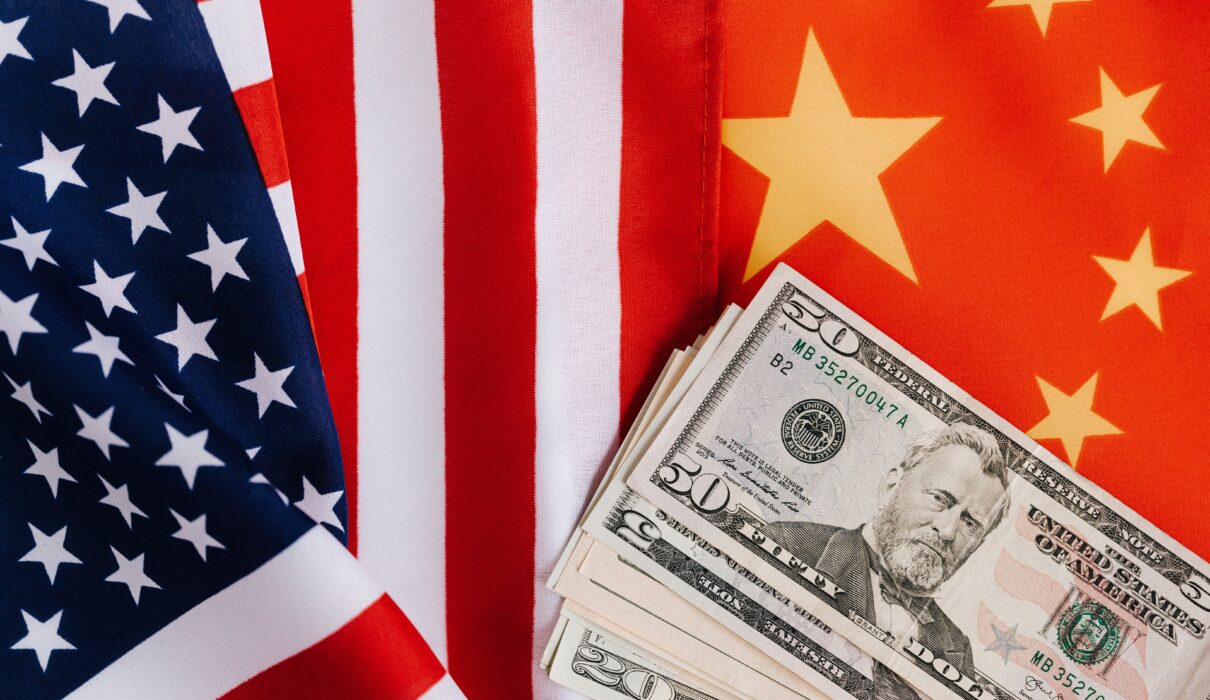
Now zoom out. Multiply that coffee cup by cars, phones, steel beams, wheat, medicine, and microchips, and you start to see the real size of the story. US trade policy is not some dry topic locked away in government buildings. It is the quiet architecture behind almost everything you buy, sell, or build. And in 2026, that architecture is being rebuilt in real time, with consequences reaching far beyond American borders.
This blog breaks down what US trade policy actually is, how it evolved, what is happening right now, and why it matters to global prosperity — whether you live in Ohio, Lagos, or Manila.
1. What Is US Trade Policy
US trade policy is the set of rules, tariffs, agreements, and restrictions that the United States government uses to manage trade with other countries. It decides what gets taxed at the border, which countries get preferential treatment, and which industries get protected from foreign competition.
It is not one single law. It is a mix of tools controlled by Congress, the President, and agencies like the Office of the United States Trade Representative (USTR).
A. The Core Tools Of Trade Policy
Three tools show up again and again in this story:
- Tariffs — taxes on imported goods, used to raise revenue or protect domestic industries.
- Trade agreements — deals between countries that lower barriers, such as the US-Mexico-Canada Agreement.
- Trade investigations — legal processes (like Section 301 or Section 232 actions) that can lead to new tariffs when a country is found to be trading unfairly.
Together, these tools decide how open — or closed — the American economy is to the rest of the world.
Also Read – Democrats vs Republicans: Key Differences Explained
2. The Historical Roots Of US Trade Policy
To understand today’s headlines, it helps to know where this all started.
A. From Tariffs To Free Trade
For most of the 1800s and early 1900s, tariffs were how the US government funded itself. High tariffs protected young American industries from cheaper European goods. It worked, but it also made everyday products more expensive for ordinary families.
After World War II, the mood shifted. The US helped build a new global trading system, believing that open trade between nations reduced the risk of another war. Tariffs fell for decades, and global trade expanded faster than almost any other period in history.
B. The Rise Of Globalization
By the 1990s and 2000s, trade agreements like NAFTA and China’s entry into the World Trade Organization pulled the world closer together. Factories moved overseas chasing lower costs. Consumer prices dropped. But entire manufacturing towns in the US also lost jobs, and that pain never fully went away.
That unresolved tension — cheaper goods versus lost jobs — is the seed of everything happening in trade policy today.
Also Read – American Congress Is Crumbling Into Chaos !
3. US Trade Policy In 2026: What Is Happening Now
Trade policy has changed faster in the past two years than in the previous two decades combined, and 2026 has brought some of the biggest shifts yet.
A. The Return Of Tariffs
Beginning in 2025, the US imposed sweeping tariffs on imports from dozens of countries, arguing that decades of trade imbalances had hollowed out domestic manufacturing. These tariffs touched everything from steel and autos to furniture and pharmaceuticals.
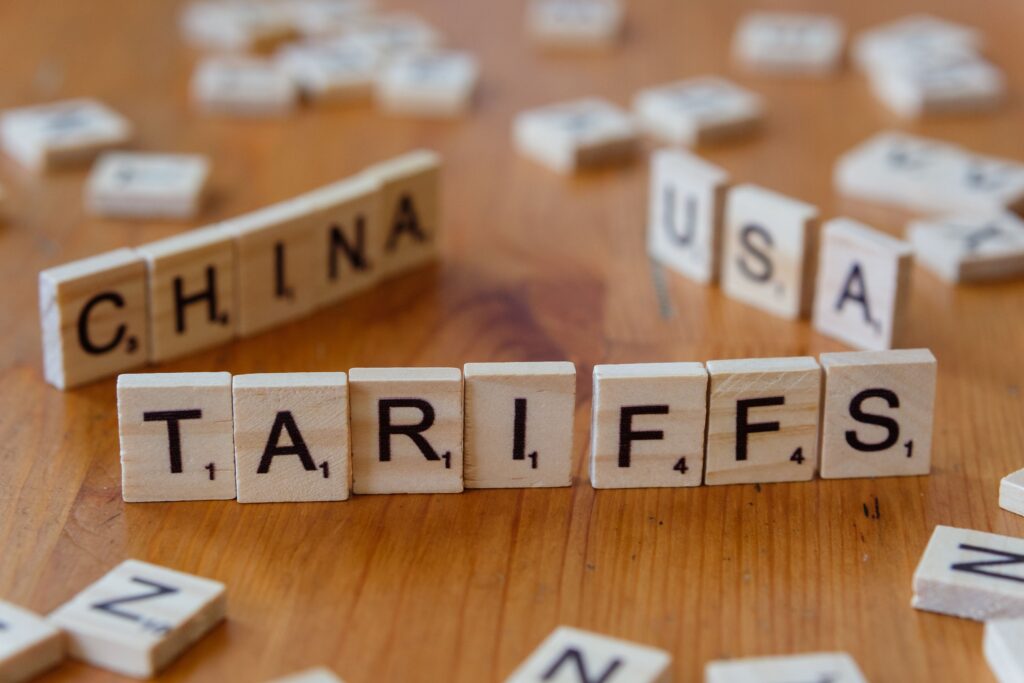
In February 2026, the Supreme Court ruled that one of the main legal tools used for these tariffs — emergency powers under IEEPA — was not valid. The administration responded the same day by signing a new global tariff under a different legal authority, keeping duties largely in place while the legal fight continued.
B. Section 301 And The New Trade Order
In July 2026, the US Trade Representative finalized new tariffs on goods from more than 60 trading partners, following investigations into labor and manufacturing practices abroad. These tariffs affected the vast majority of everything the US imports, marking one of the broadest tariff actions in modern history.
At the same time, the administration has been signing narrower “reciprocal trade” deals with individual countries — including several in Latin America, Asia, and Southeast Asia — trading lower tariffs for better market access for American exporters.
C. Court Battles Over Presidential Power
A recurring theme in 2026 is the tug-of-war between the White House and the courts over who actually controls tariffs. Legal challenges have already struck down one major tariff program. More cases are pending, which means trade policy could shift again with very little warning.
For businesses and consumers alike, the takeaway is simple: current trade rules are not fixed. They are a moving target.
4. How US Trade Policy Shapes Global Prosperity
This is where the story becomes global. Because the US is one of the largest economies and import markets on earth, its trade decisions ripple far past its own borders.
A. Winners And Losers In The Global Economy
When the US raises tariffs on one country, it often creates an opening for another. A supplier facing a lower tariff suddenly looks more attractive than a competitor facing a higher one, even if their products are otherwise similar. This reshuffles which countries win contracts, build factories, and create jobs.
Recent trade data shows exactly this pattern: exporters facing smaller tariff increases have gained ground, while others — even producing similar goods — have lost competitiveness almost overnight, simply based on where they are located.
B. Developing Nations Feel The Pressure
Wealthier trading partners tend to absorb tariff shocks more easily. They have diversified export markets, deeper financial reserves, and more room to negotiate. Developing and least-developed countries usually do not have that same cushion.
Recent analysis from UN Trade and Development found that developing economies have seen their competitive position weaken more than developed economies since the new tariff wave began, and least-developed countries — many of which depend heavily on a few export products — are especially exposed.
C. Supply Chains Are Being Redrawn
Companies do not simply absorb new tariffs; they adapt. Factories are relocating. Sourcing contracts are being rewritten. Some countries are deepening trade ties with each other specifically to reduce their dependence on the US market.
This is arguably the biggest long-term effect of current US trade policy: it is accelerating a shift away from one single, US-centered global trading system toward several smaller, regional ones.
5. The Ripple Effect On Everyday Life
Trade policy can feel abstract until it shows up on a receipt or a paycheck.
A. Prices At Home
Tariffs are ultimately paid by the importer, and importers typically pass at least part of that cost to consumers. Economic models from groups like the Tax Foundation project these tariff programs will raise hundreds of billions of dollars in revenue over the next decade — money that comes largely from American businesses and households paying more for imported goods.
Everyday categories like furniture, electronics, cars, and even some medicines have already seen price pressure tied to new tariffs.
B. Jobs And Industries
The picture on jobs is mixed, not one-sided. Protected industries, like certain steel and manufacturing sectors, can see short-term hiring gains. But industries that rely on imported parts — car manufacturing, construction, and retail among them — often face higher costs that can slow hiring or investment.
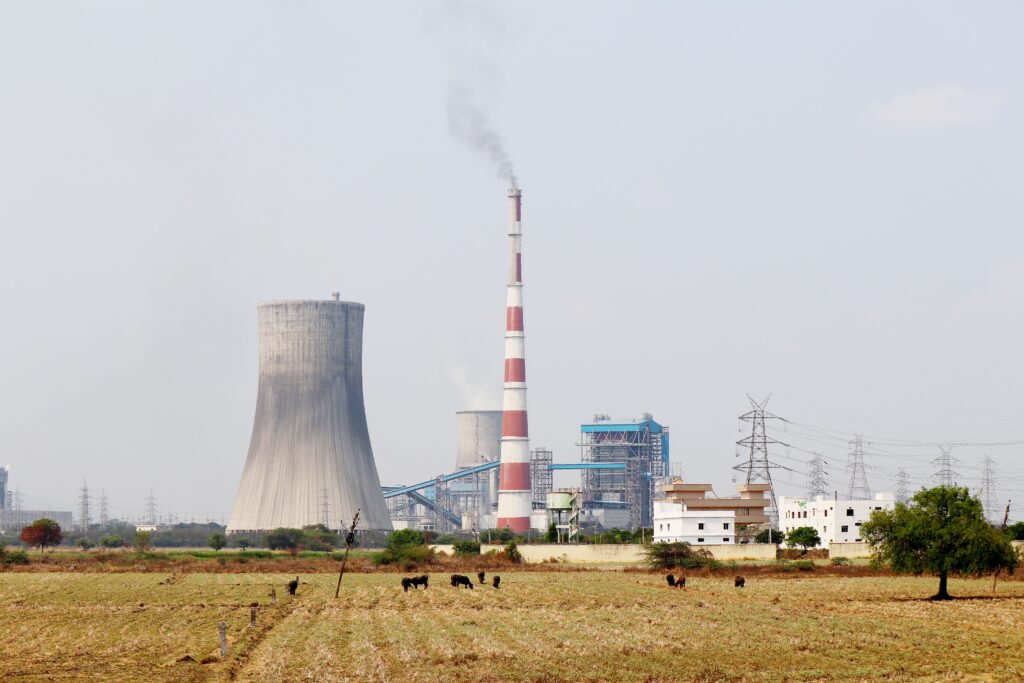
Economists sometimes describe this as “creative destruction”: some jobs disappear while others emerge, but the transition is rarely smooth or evenly distributed across regions.
Also Read – “Why US Citizenship Is Suddenly at the Center of Global Politics in 2026?”
6. The Global Response: Cooperation Without America
One of the more surprising outcomes of the current trade climate is how other countries are responding to each other, not just to the US.
As US tariffs have risen, many nations have quietly deepened trade relationships among themselves — from expanded African trade frameworks to new digital trade agreements across Asia. In effect, restrictive US trade policy has nudged the rest of the world closer together, even as it distances itself from Washington.
This does not mean the US is being replaced. It remains the largest consumer market on the planet. But it does mean other countries are actively building a plan B, and that shift in mindset may outlast any single tariff.
7. What Could Come Next For US Trade Policy
Nobody can predict trade policy with certainty right now, but a few trends are worth watching:
- More legal battles. Courts are still deciding how much tariff power the President can use without Congress.
- More narrow trade deals. Expect country-by-country agreements rather than one big global framework.
- New investigations. Sectors like semiconductors, pharmaceuticals, and manufacturing overcapacity are already under review and could face fresh tariffs later in 2026.
- Slower global growth. Institutions like the UN and Deloitte expect trade uncertainty to weigh on global growth through the rest of the year, even as individual deals offer pockets of relief.
The one constant is unpredictability itself — and that uncertainty is, in many ways, its own economic cost.
8. My View
I don’t think current US trade policy comes from a bad place. Protecting domestic manufacturing, pushing back on unfair trade practices, and trying to shrink a stubborn trade deficit are reasonable things for any country to want. The intent behind tariffs is easier to defend than people on either extreme usually admit.
Where it loses me is the price tag, and I mean that literally. When a tariff shows up on furniture, cars, or medicine, that cost doesn’t stay in a policy paper. It shows up on a receipt, and it shows up fastest for households with the least room to absorb it.
That’s the tradeoff nobody running for office likes to say out loud: you can protect an industry or you can protect a consumer’s wallet, but rarely both at the same time. Right now, I think the balance has tipped too far toward cost, especially for everyday goods that most families can’t simply stop buying.
I’m not against using trade policy as a tool. I just think a good tool still needs to be judged by what it costs the people using it every day, not only by the industries it’s built to defend.
Read – Trade Agreements
9. Frequently Asked Questions
What Is US Trade Policy In Simple Terms?
Why Does US Trade Policy Matter To The Rest Of The World?
Do Tariffs Really Raise Prices For Consumers?
Is Free Trade Better Than Protectionism?
How Are Developing Countries Affected By US Trade Policy?
What Is The Role Of The USTR?
Will US Tariffs Be Removed Anytime Soon?
10. Conclusion
Trade policy rarely feels personal, until it is. It is there in the extra dollar on a grocery bill, the factory that opens in one town and closes in another, the small business owner recalculating margins after a new tariff announcement. It is easy to talk about this subject in charts and percentages, but underneath every one of those numbers is a person trying to make a living, and a family somewhere trying to make ends meet.
US trade policy will keep shifting in 2026 and beyond, shaped by courts, elections, and global pressure that no single country fully controls. What stays constant is this: the world is more connected than any tariff can undo, and prosperity, wherever it shows up, is rarely built alone. It is built at the border, in the deal, and in the quiet decision of one country to trade fairly with another.
That, in the end, is the real story trade policy tells — not of nations competing in isolation, but of a world still learning how to share the table.
Please Comment…
