

 By
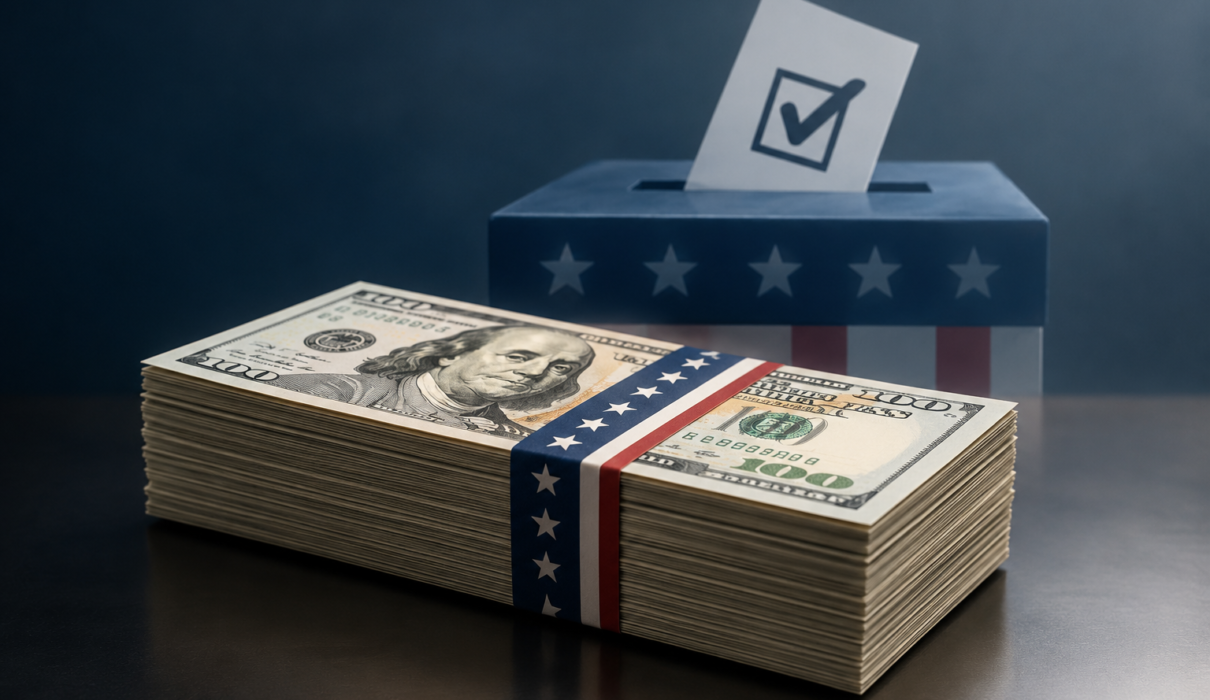
By The Trump Dividend is President Trump’s pledge to send Americans a cash payment funded by tariff revenue — a figure that has climbed from $2,000 to $5,000, and now comes with a political price tag: it’s promised only if Republicans hold Congress in November.
That single condition turns what was pitched as an economic reward into something closer to a campaign instrument, and it’s worth asking why a “dividend” needs an election attached to it at all.
1. From Tariff Rebate to Campaign Chip
The idea started small. In July 2025, Trump floated a “tariff dividend.” By November, it had a number: “$2,000 a person.” By December, at a cabinet meeting, he was talking about “trillions” in tariff income and a check arriving by mid-2026.
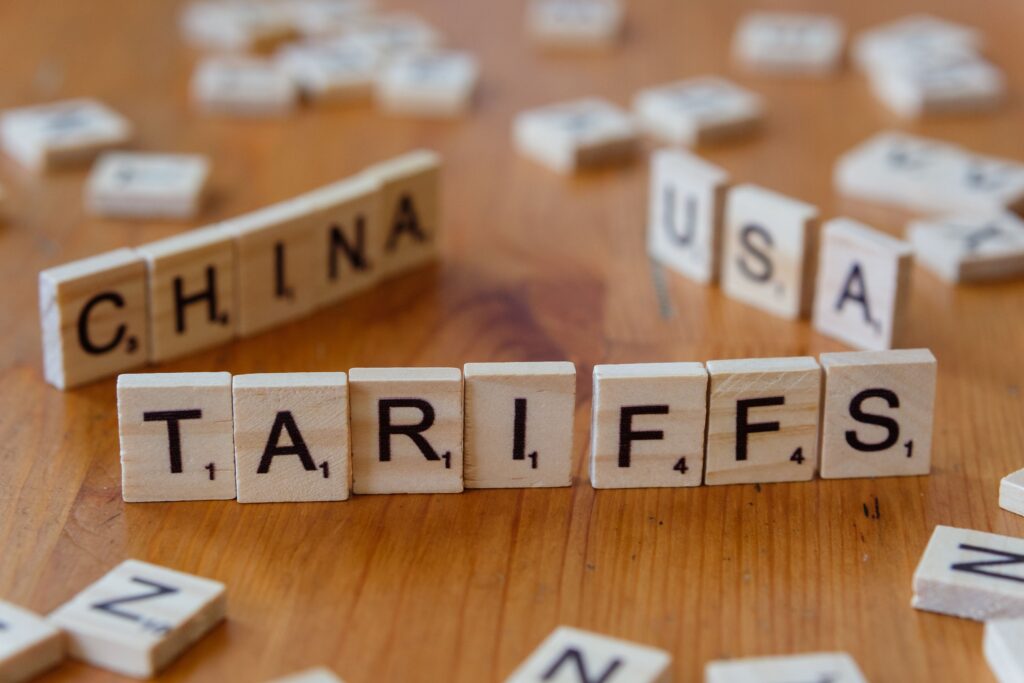
None of it materialized. Then, this week, the number jumped to $5,000 — but only if the GOP sweeps the House and Senate. That’s not fiscal policy. That’s a bribe with a receipt, and calling it a “dividend” doesn’t change the transaction.
2. The Geopolitical Engine Is Already Broken
Here’s what makes this more than a domestic budget argument: the legal foundation for the tariff revenue itself collapsed in February 2026, when the Supreme Court ruled 6–3 that IEEPA never authorized Trump to impose the sweeping “Liberation Day” tariffs in the first place. Those tariffs weren’t just a revenue tool — they were the centerpiece of an entire geoeconomic strategy aimed at China, at allies, at reordering global supply chains. The administration pivoted to narrower authorities (Section 122, Section 301) to keep some tariffs alive, but the core instrument funding the “dividend” was ruled unconstitutional overreach. You cannot build a stable domestic payout on a foreign-policy weapon that the courts just took out of the president’s hands.
Also Read – Why America’s Geography Makes It Almost Impossible to Defeat ?
3. The Numbers Were Never Close
Even before the ruling, the math didn’t work. Yale Budget Lab estimated a $2,000 check to earners under $100,000 would cost roughly $450 billion — about double the tariff revenue actually collected in 2026.
A New York Fed study found nearly 90% of that tariff cost was paid by American consumers and businesses, not foreign exporters, undercutting the “other countries are paying for it” framing entirely. Meanwhile, the U.S. goods trade deficit hit a record $1.24 trillion in 2025 — the tariffs’ supposed core objective — and manufacturing employment kept shrinking. Prediction markets aren’t buying it either: odds of any dividend materializing sank to roughly 3% on Polymarket.
4. Why This Is a Geopolitical Story, Not Just a Budget One
Trading partners negotiate with Washington on the assumption that tariff policy reflects strategy — national security, supply-chain resilience, leverage over rivals. When that same tool gets rebranded as an election-year payout, contingent on a domestic vote, it tells every capital watching that U.S. trade policy is now downstream of American electoral cycles, not the other way around. That’s the real cost here: not the $5,000 that likely never arrives, but the credibility discount every ally and adversary now applies to the next tariff threat Washington makes.
5. Quick Answers
Will Americans get a $5,000 Trump Dividend check?
Is it funded by tariffs?
How is this different from the Warrior Dividend?
6. Bottom Line
The Trump Dividend isn’t really about $5,000 checks. It’s a bet that a geopolitical tool — tariffs — can be stretched to fund domestic political loyalty even after its legal foundation cracked and its economics never balanced. That’s the gamble worth watching, long after the number stops changing.
Please comment . So that i will know your view on this.
