

 By
By Yes – crude oil is still important in the modern world.
Every time a war breaks out in the Middle East, the entire world holds its breath — not just for lives, but for oil. In 2026, a near-shutdown of the Strait of Hormuz sent Brent crude prices soaring toward $120 per barrel, crippling economies overnight. That single chokepoint tells you the importance of crude oil.
Key Takeaways…
- Demand is still soaring
- Oil fuels the global economy
- Geopolitics revolves around oil
- Renewables are rising, but oil is not leaving
- Price volatility is a global risk
A. Evergreen Demand Of Crude Oil
Global crude oil demand remains resilient despite economic uncertainty, driven by rising consumption in emerging economies, expanding transportation needs, and steady industrial activity. While electric vehicles and renewable energy are gradually reducing dependence on oil in some regions, aviation, shipping, petrochemicals, and heavy industries continue to rely heavily on crude. Asia, particularly China and India, remains the primary engine of demand growth, although the pace has moderated compared to previous years.
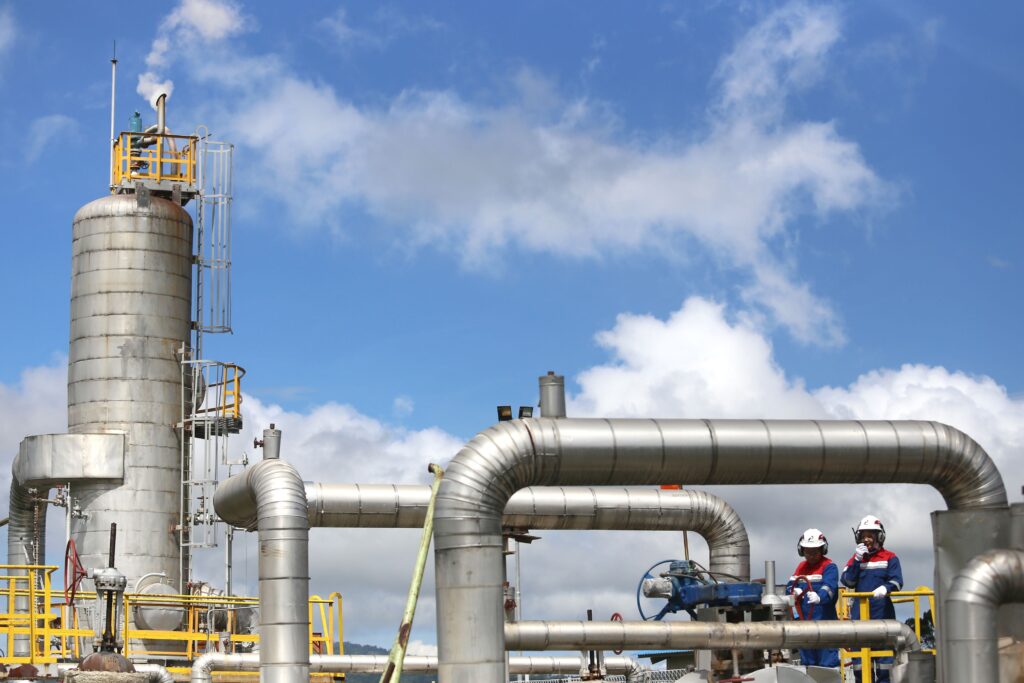
Geopolitical tensions, production decisions by major oil producers, and global economic conditions continue to influence consumption patterns, making crude oil a critical pillar of the world’s energy system for the foreseeable future.
| Year | Global Crude Oil Demand (mb/d) | Annual Growth (mb/d) |
|---|---|---|
| 2022 | 99.7 | +2.3 |
| 2023 | 102.2 | +2.5 |
| 2024 | 103.1 | +0.9 |
| 2025* | 103.8 | +0.7 |
| 2026* | 104.4 | +0.6 |
( Source – International Energy Agency )
Also Read – Gold and Geopolitics: The Hidden Power Behind Global Conflicts
B. Oil And Global Economy
I believe oil remains a pivotal driver of the global economy, powering transportation, industry, and petrochemical production. Its availability and price influence inflation, trade balances, and geopolitical relations, disproportionately affecting oil-exporting and -importing nations. While investments in renewable energy and efficiency are rising, the transition is gradual; infrastructure, technology, and policy shifts will take decades.
My strengths include understanding market dynamics and environmental trade-offs, but I need to deepen knowledge of energy policy and clean-tech economics. Going forward, I will study transition scenarios and policies to better evaluate how declining oil dependence will reshape markets and social outcomes.
Also Read – Global Stock Markets: Trends, Risks & Opportunities 2026
C. Oil And Geopolitics
Geopolitics often revolves around oil because oil remains one of the most important resources in the world. Countries that produce, export, or control oil can influence global trade, energy security, and international relations. Conflicts in oil-rich regions, sanctions, and transportation routes like straits and pipelines can affect prices and create instability. At the same time, many powerful nations depend on oil imports, which makes them sensitive to political decisions in producing countries. In my view, oil is not just an energy source; it is a major factor shaping diplomacy, cooperation, competition, and even conflict among nations.
D. Renewables Are Rising, But Oil Is Not Leaving
The rapid growth of renewable energy is an encouraging sign for the global energy transition, but it does not mean the era of oil is ending.
In my view, the world is entering an energy diversification phase rather than an energy replacement phase. While solar and wind are expanding electricity generation, sectors such as aviation, shipping, heavy transport, and petrochemicals remain heavily dependent on crude oil. Emerging economies, driven by industrialization and rising living standards, continue to increase oil consumption.
| Indicator | Latest Data |
|---|---|
| Global renewable share of electricity (2024) | ≈30% |
| Global oil demand (2024) | 103.1 mb/d |
| Forecast oil demand (2025) | 103.8 mb/d |
| Forecast oil demand (2026) | 104.4 mb/d |
| Oil share of global primary energy | ≈30% |
| Main sectors still dependent on oil | Transport, aviation, shipping, petrochemicals |
(Source- International Energy Agency (IEA), Oil Market Report (2025–2026) )
Therefore, policymakers and investors should prepare for a future where renewables grow alongside oil, not one where oil disappears overnight.
E. Oil Price Volatility
I think, crude oil price volatility remains one of the greatest risks to the global economy. Sharp price spikes increase inflation, raise transportation and manufacturing costs, and slow economic growth, while sudden price crashes create fiscal stress for oil-exporting nations and discourage investment in future energy production.
| Year | Average Brent Crude Price (US$/barrel) | Major Driver |
|---|---|---|
| 2019 | 64.2 | Stable global demand |
| 2020 | 41.8 | COVID-19 pandemic and demand collapse |
| 2021 | 70.9 | Economic recovery and OPEC+ supply restraint |
| 2022 | 100.9 | Russia–Ukraine war and supply disruptions |
| 2023 | 82.6 | Slower global growth, balanced supply |
| 2024 | 80.5 | Higher non-OPEC supply and moderate demand |
| 2025* | 67–69 | Increased production and softer demand growth |
| 2026* | 60–65 | Expected supply surplus and slower consumption growth |
(Source – U.S. Energy Information Administration (EIA), Short-Term Energy Outlook)
Geopolitical conflicts, supply disruptions, OPEC+ production decisions, and fluctuating global demand continue to make oil markets highly unpredictable. Although renewable energy can reduce long-term dependence on oil, the global economy remains closely tied to crude prices. Therefore, managing oil price volatility is essential for ensuring economic stability and global energy security.
F. My View
In my view, crude oil remains critically important despite the global shift toward renewable energy. It is not merely a fuel — it is the backbone of plastics, pharmaceuticals, fertilizers, synthetic fabrics, and countless industrial products. Aviation, shipping, and heavy industry still depend overwhelmingly on petroleum derivatives.
Developing nations, including India, continue to rely on crude oil for affordable energy access and economic growth. While solar and wind are rising fast, the transition is gradual. The infrastructure, supply chains, and economies built around oil cannot be dismantled overnight. For at least the next two to three decades, crude oil will remain indispensable to modern civilization.
What do you think about this analysis ? Comment Below….
