

 By
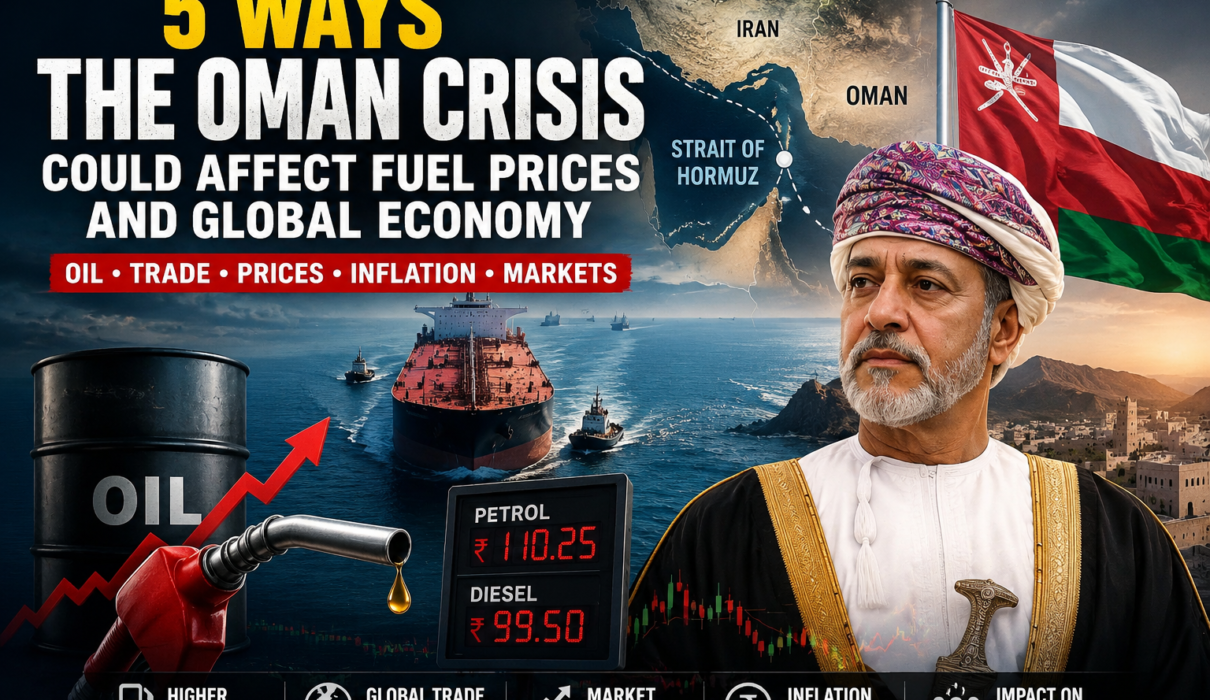
By - Oman has suddenly become one of the most discussed countries in global politics after Donald Trump’s controversial warning linked to the Strait of Hormuz.
- The situation is not only about diplomacy or military tensions — it could directly affect fuel prices, global trade, and the economy that common people experience every day.
- The Strait of Hormuz, located near Oman, carries nearly 20% of the world’s oil supply, making it one of the most important shipping routes on Earth.
- Any conflict or instability in this region can increase petrol and diesel prices, raise transportation costs, and create pressure on global markets.
- Oman has traditionally been known as a peaceful mediator in the Middle East, which is why Trump’s aggressive remarks surprised political experts worldwide.
- Rising tensions between the United States and Iran are now pulling Oman into a larger geopolitical struggle involving oil security, naval power, and international trade routes.
- Countries like India, China, Japan, and many European nations are closely monitoring the crisis because their economies depend heavily on Gulf energy supplies.
- As the world watches the Strait of Hormuz carefully, this developing Oman crisis could become one of the most important geopolitical stories of 2026.
That is why every major world power closely watches this region.
1. What Exactly Did Trump Say?
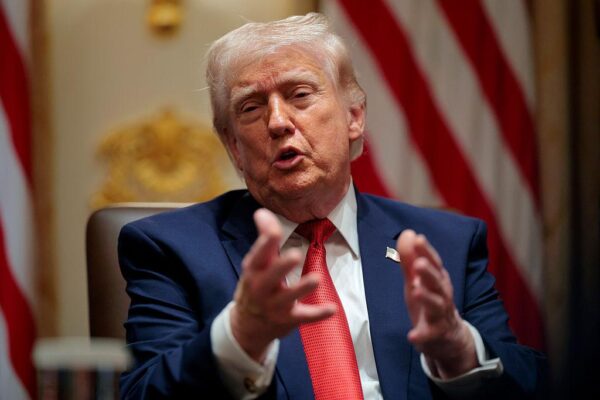
During a cabinet meeting, Trump strongly rejected reports claiming Iran and Oman could jointly manage ship traffic through the Strait of Hormuz.
Trump reportedly stated:
“Oman will behave just like everybody else.”
He then warned that if Oman interfered with U.S. interests, America could take military action.
The remarks came after Iranian media reported that:
- Iran and Oman were discussing shipping arrangements
- Possible toll systems for ships were being considered
- A draft agreement could reopen normal shipping routes in the Gulf region
The White House later denied parts of the Iranian claims and called some reports “fabrication.”
Read Full Report – Trump’s ‘blow ‘em up’ threat to Oman means he’s now attacked or threatened 1 out of every 13 countries
2. 5 Ways the Oman Crisis Could Affect Fuel Prices and Global Economy
A. Fuel Prices Could Rise Worldwide
- The Strait of Hormuz near Oman carries nearly 20% of global oil trade.
- Any tension or military conflict in this region can disrupt oil supply.
- If oil shipments slow down, crude oil prices usually rise quickly.
- Higher crude oil prices directly increase petrol and diesel prices for common people.
- Countries like India that import large amounts of oil could face higher fuel costs.
B. Transportation and Daily Goods May Become Expensive
- Rising fuel prices increase transportation costs worldwide.
- Trucks, ships, and airlines all depend heavily on fuel.
- When transport becomes expensive, companies increase product prices.
- Common items like food, groceries, electronics, and clothing may cost more.
- Inflation can rise in many countries if the crisis continues.
C. Global Stock Markets Could Become Unstable
- Investors become nervous whenever Middle East tensions rise.
- Oil uncertainty often causes sudden stock market fluctuations.
- Energy companies may gain temporarily, while airlines and transport sectors suffer losses.
- Global financial markets dislike geopolitical instability.
- Fear of war or shipping disruption can create panic selling in markets.
D. International Trade Routes Could Face Disruptions
- The Strait of Hormuz is one of the world’s busiest shipping routes.
- Any military escalation near Oman could slow commercial shipping.
- Shipping insurance costs may increase sharply during conflict.
- Delays in oil and cargo movement affect global trade chains.
- Countries dependent on Gulf exports may experience economic pressure.
E. India and Asian Economies Could Face Major Pressure
- India imports a large portion of its oil from the Gulf region.
- Higher oil prices can increase inflation and transportation expenses in India.
- Asian economies like China, Japan, and South Korea also rely heavily on Middle Eastern energy.
- If the Oman crisis worsens, governments may need to spend more on energy imports.
- Long-term instability could slow economic growth across Asia.
Also Read – 5 Reasons Why Ken Paxton’s Victory Is Reshaping U.S. Politics…
3. Why Oman’s Role Matters ?
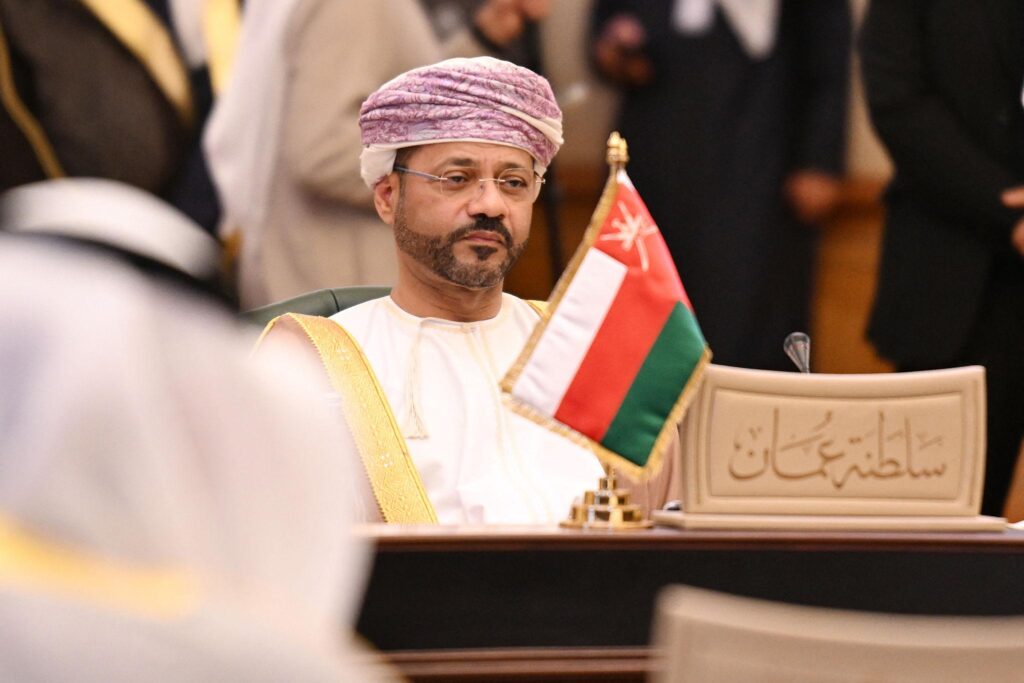
Unlike some Gulf countries, Oman is usually considered:
- Neutral
- Diplomatic
- Peace-focused
- A mediator between rival nations
Oman has often helped:
- The U.S. communicate with Iran
- Host secret negotiations
- Reduce tensions during regional conflicts
Because of this, Trump’s comments shocked many diplomats and political experts.
Instead of acting aggressively, Oman traditionally tries to prevent wars in the Middle East.
commercial ships through the strait safely.
4. Why Trump Is Taking a Hard Position ?
Trump’s strategy appears to focus on:
- Preventing Iran from controlling global oil routes
- Showing military strength before U.S. elections
- Protecting international shipping
- Pressuring Iran into negotiations
Trump believes that allowing Iran influence over the Strait of Hormuz would weaken U.S. global power and increase risks for allies. (New York Post)
Some Republican leaders also fear that any compromise with Iran could damage America’s position in the region. (The Guardian)
6. Latest Developments in the Crisis
Several important developments happened recently:
A. Draft Peace Discussions
Iranian media claimed a possible draft framework existed between Iran and the U.S. involving:
- Reopening shipping routes
- Reducing military tensions
- Managing ship traffic with Oman
- Lowering naval presence in the Gulf (Reuters)
B. U.S. Rejected Full Agreement Claims
The White House denied that any final agreement had been reached and accused Iranian state media of exaggerating negotiations. (New York Post)
C. Oil Markets Became Volatile
Oil traders reacted quickly because any Hormuz disruption affects global energy supply. Even rumors of conflict can raise prices worldwide. (Reuters)
D. Regional Military Presence Increased
The U.S. and allies expanded naval operations near the Gulf while Iran continued warnings against foreign military activity. (Al Jazeera)
7. How This Affects India and Asia
India is highly dependent on Middle Eastern oil imports. Any instability in the Strait of Hormuz directly impacts:
- Petrol and diesel prices
- Inflation
- Shipping costs
- Trade expenses
- Economic growth
China, Japan, and South Korea are also heavily dependent on Gulf energy exports. (Wikipedia)
If tensions continue:
- Asian markets may face energy shocks
- Transportation costs may rise
- Governments may seek alternative oil suppliers
This is why countries in Asia are carefully monitoring the situation.
8. Could This Become a Real War?
At the moment, there is no official announcement of military action against Oman. Most analysts believe Trump’s remarks were:
- Strategic pressure
- Political messaging
- A warning aimed more at Iran than Oman itself
However, aggressive rhetoric in the Middle East can escalate quickly. Miscalculations between military forces in the Gulf could create larger regional conflict. (Reuters)
Several countries are now trying to avoid:
- Naval confrontation
- Oil supply collapse
- Regional war
- Economic disruption
9. Global Analysis: Why This Crisis Matters ?
This crisis shows how energy security and geopolitics remain deeply connected.
The Strait of Hormuz is not just a regional issue anymore. It affects:
- The global economy
- Inflation worldwide
- Stock markets
- International diplomacy
- Military alliances
Trump’s strong language also reflects a larger shift toward aggressive geopolitical messaging in 2026.
At the same time:
- Iran wants leverage in negotiations
- Gulf nations want stability
- Western powers want secure shipping routes
- Asian economies want uninterrupted oil supply
All sides are trying to protect their strategic interests.
10. Final Thoughts
Trump’s threat toward Oman has turned attention back toward one of the world’s most dangerous geopolitical flashpoints — the Strait of Hormuz.
What started as a disagreement over shipping control has now become part of a much bigger struggle involving:
- U.S.-Iran rivalry
- Global oil security
- Middle East diplomacy
- Military influence in the Gulf
Oman’s neutral role makes this controversy even more surprising. The country has long acted as a bridge between enemies rather than a battlefield participant.
For now, diplomacy still appears possible. But if tensions rise further, the effects could spread far beyond the Middle East and impact economies, fuel prices, and political stability across the world.
The next few weeks may determine whether this crisis moves toward negotiation — or deeper confrontation.
