

 By
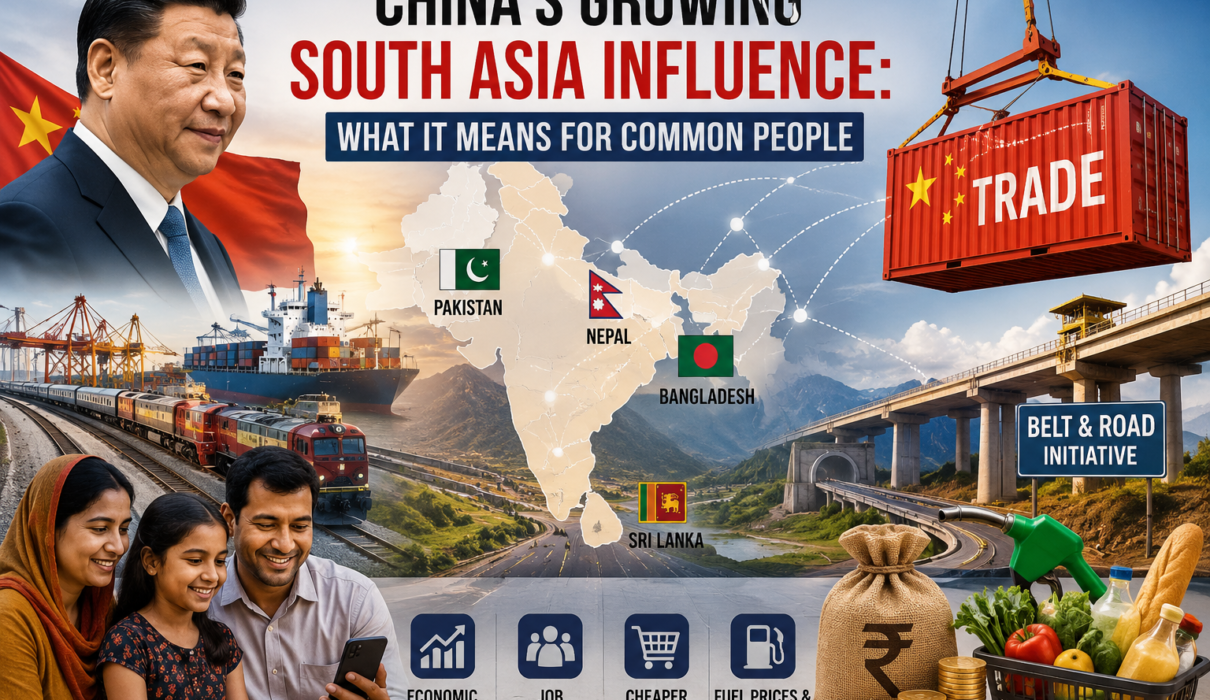
By - China is rapidly expanding its trade and investment influence across South Asia.
- Rising global tensions and supply-chain disruptions are pushing China to build stronger regional partnerships.
- From fuel prices to everyday goods, this growing trade strategy could affect common people around the world.
- Countries like Pakistan, Bangladesh, Sri Lanka, and Nepal are becoming important parts of China’s economic network.
- As China strengthens its South Asia trade ties, the global balance of trade and geopolitics may change significantly.
Here’s a detailed explanation ….
1. Why China Is Focusing on South Asia
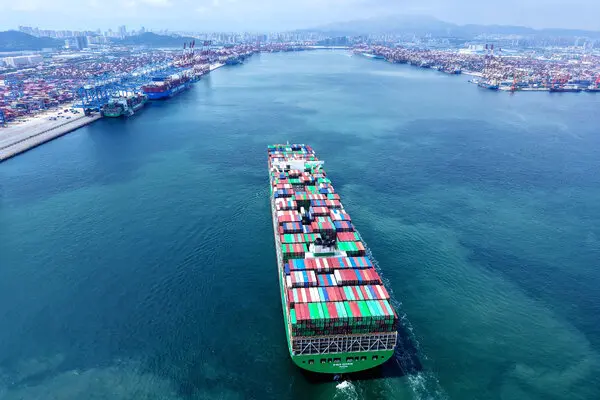
China is increasing its economic and political presence across South Asia at a time when the global economy is facing uncertainty. Trade wars, supply-chain disruptions, inflation, and geopolitical tensions have pushed China to strengthen ties with neighboring regions.
South Asia has become attractive for China because:
- It has a huge population and growing consumer market.
- Many countries need infrastructure investment.
- The region is strategically important for global trade routes.
- China wants to reduce dependence on Western markets.
Countries like Pakistan, Bangladesh, Sri Lanka, and Nepal are now playing a bigger role in China’s long-term trade plans.
2. Pakistan Is China’s Key Strategic Partner
Pakistan remains one of China’s most important allies in South Asia. Through the China–Pakistan Economic Corridor (CPEC), China has invested billions of dollars in:
- Roads
- Railways
- Power projects
- Ports
- Energy infrastructure
Gwadar Port is especially important because it gives China access to the Arabian Sea. This helps China reduce reliance on traditional shipping routes that may become risky during conflicts.
Why This Matters to Common People
- Better trade routes can reduce transportation costs.
- Energy projects may help stabilize electricity supply in the region.
- Increased trade may create jobs in logistics and construction.
- However, rising debt and security concerns may create economic pressure on local populations.
3. Bangladesh Is Becoming a Manufacturing Hub
Bangladesh has emerged as one of South Asia’s fastest-growing economies. China is investing heavily in:
- Manufacturing
- Textile industries
- Ports
- Technology
- Energy projects
China sees Bangladesh as an important trade and production center that can support global supply chains.
Impact on Ordinary People
- More factories could create employment opportunities.
- Export growth may improve local economies.
- Consumers worldwide may benefit from cheaper goods.
- Competition between China and India for influence could increase regional tensions.
4. Sri Lanka and Nepal Need Investment Support
Sri Lanka and Nepal continue to receive Chinese financial and infrastructure support through Belt and Road Initiative projects.
China has funded:
- Highways
- Airports
- Hydropower projects
- Ports
- Urban infrastructure
Many of these countries are struggling economically and see Chinese investment as a way to improve development.
Challenges
- Some projects have increased national debt.
- Critics fear overdependence on Chinese loans.
- Political opposition sometimes grows against foreign influence.
How It Affects Common People
- Infrastructure improvements can boost tourism and trade.
- Debt problems may increase taxes or inflation.
- Economic instability can affect jobs and public services.
Also Read – Putin, Trump and Xi: The New Global Triangle That Could Affect Jobs, Prices and Power Worldwide..
5. China Wants Safer Trade Routes
One major reason China is increasing influence in South Asia is to secure safer trade routes.
Global tensions in regions like:
- The Middle East
- The South China Sea
- The Strait of Hormuz
have created concerns about disruptions to shipping and energy supplies.
China imports huge amounts of:
- Oil
- Gas
- Raw materials
Any disruption in global shipping routes can hurt China’s economy.
Why This Matters Globally
If shipping routes become unstable:
- Fuel prices can rise.
- Food transportation costs may increase.
- Inflation could become worse.
- Global supply chains may slow down.
This directly affects ordinary people through higher living costs.
6. China and India Are Competing for Regional Influence
South Asia has traditionally been considered India’s strategic neighborhood. However, China’s growing investments are changing the balance of power in the region.
India is concerned because:
- China is building ports and infrastructure near India.
- Smaller South Asian countries are becoming economically closer to Beijing.
- Strategic competition is increasing in the Indian Ocean region.
Possible Effects on Common People
- Increased regional competition may improve infrastructure development.
- But political tensions can also affect trade and investment stability.
- Defense spending may rise instead of social spending.
7. The Belt and Road Initiative Is Expanding
China’s Belt and Road Initiative (BRI) remains central to its South Asia strategy.
The BRI aims to connect countries through:
- Trade routes
- Ports
- Railways
- Energy networks
- Digital infrastructure
China believes stronger economic connectivity will increase trade and long-term political partnerships.
Benefits
- Faster transportation
- Better infrastructure
- Economic growth opportunities
- Improved regional trade
Risks
- Debt dependency
- Political influence concerns
- Environmental issues
- Local protests against foreign projects
8. Global Supply Chains Are Changing
The world is entering a new era where geopolitics is reshaping global trade.
Instead of depending on one country, businesses are now spreading manufacturing and supply chains across multiple regions.
South Asia is becoming important because:
- Labor costs are lower.
- Demand is rising.
- Strategic location supports shipping and trade.
China wants to remain at the center of this changing global system.
Impact on Consumers
- Prices of electronics, clothing, and household products may change.
- Supply disruptions could affect product availability.
- New manufacturing centers may create economic opportunities.
9. Security Concerns Remain a Big Challenge
China’s expanding presence also faces security risks.
In some countries:
- Chinese workers have been attacked.
- Political protests have targeted Chinese projects.
- Local groups oppose foreign economic influence.
Pakistan has already promised stronger protection for Chinese investments after multiple security incidents.
Why This Matters
Security instability can:
- Delay projects
- Increase costs
- Affect trade routes
- Create uncertainty for investors
This can eventually impact jobs, prices, and economic growth.
10. What This Means for the Future
China’s growing influence in South Asia is not just about economics. It is part of a much larger geopolitical strategy aimed at:
- Expanding global influence
- Securing trade routes
- Protecting energy supplies
- Building long-term partnerships
The next few years could reshape:
- Global trade
- Regional alliances
- Fuel markets
- Manufacturing networks
- Consumer prices worldwide
For ordinary people, the effects may be felt through:
- Inflation
- Fuel costs
- Product prices
- Employment opportunities
- Economic stability
As global powers compete for influence, South Asia is becoming one of the world’s most important geopolitical and economic battlegrounds.
(Source – Reuters)
Read – China seeks deeper trade ties with South Asia, officials say
