

 By
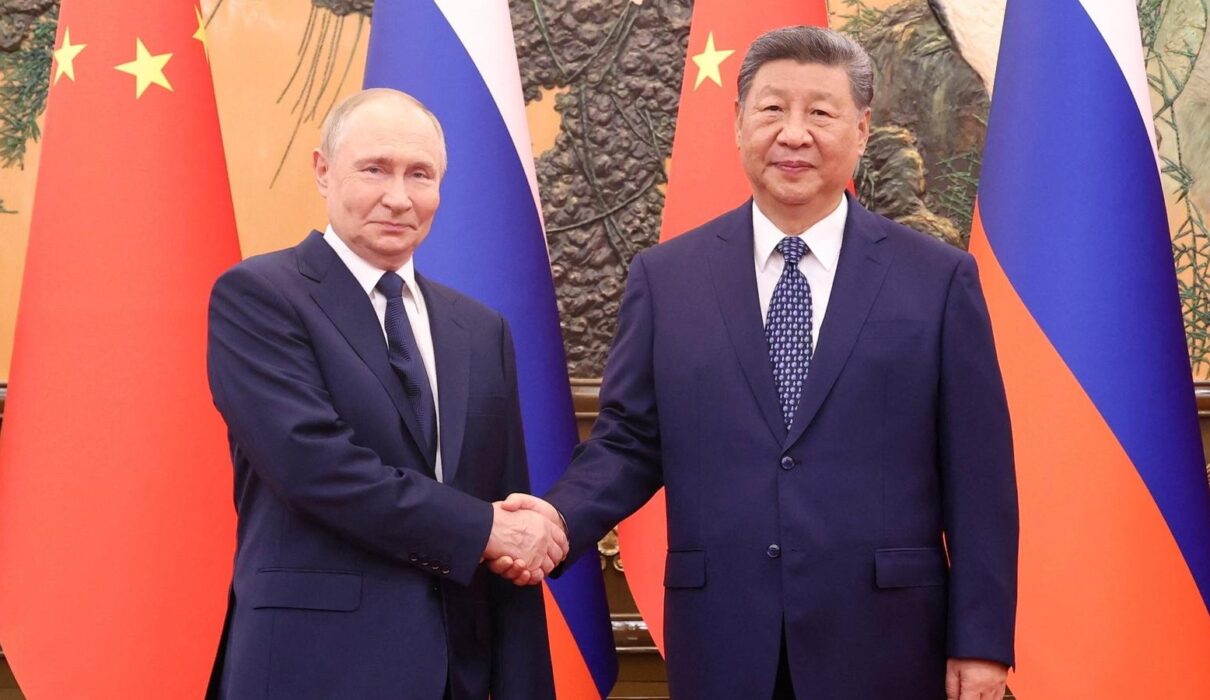
By Russian President Vladimir Putin visited China on 19–20 May 2026 for high-stakes talks with Chinese President Xi Jinping on trade, energy and global geopolitics — discussions that could reshape the future of the world economy. The visit came just days after U.S. President Donald Trump traveled to Beijing, turning China into the center of global diplomacy and signaling a major shift in the international balance of power. As world leaders compete to strengthen ties with Beijing, many are now asking a critical question: Is China emerging as the world’s next superpower, and what could that mean for ordinary people across the globe?
Objectives of Vladimir Putin’s Visit to China
A. Strengthening the Russia–China Partnership
This year marks 30 years since Beijing and Moscow established their strategic partnership and 25 years since both countries signed the “Treaty of Good-Neighbourliness and Friendly Cooperation.” During the visit, Russian President Vladimir Putin and Chinese President Xi Jinping reaffirmed their close ties, describing the relationship as an “all-weather strategic partnership.” Putin stated that Russia’s ties with China are now at an “unprecedented level,” highlighting the growing political, economic and diplomatic cooperation between the two nations.
B. Power of Siberia 2 Pipeline Talks
One of the key topics of discussion was the proposed Power of Siberia 2 gas pipeline project.
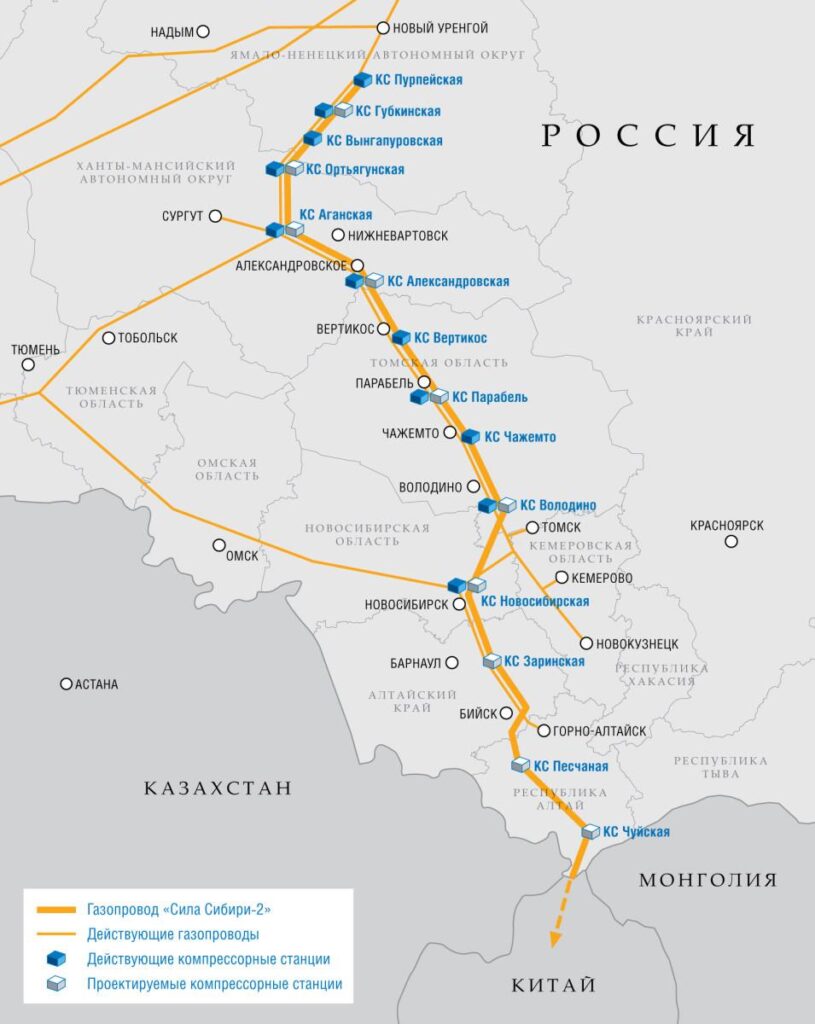
The 1,600-mile (2,600-km) pipeline is expected to deliver around 50 billion cubic meters of natural gas annually from Russia to China through Mongolia. The Kremlin sees the project as crucial for compensating for the loss of European energy markets following Western sanctions linked to the Ukraine conflict. If finalized, the pipeline would further deepen energy dependence and long-term cooperation between Moscow and Beijing.
C. Agreements and Trade Cooperation
Analysts closely watched the summit for new agreements aimed at expanding trade and energy cooperation. Around 40 bilateral documents were expected to be signed, along with a 47-page joint statement emphasizing the strengthening partnership between the two countries. Putin and Xi were also expected to issue a joint declaration supporting a “multipolar world order” and promoting what the Kremlin described as a “new type of international relations.” The discussions also focused on increasing trade in local currencies and reducing dependence on the U.S. dollar in international transactions.
D. Ukraine War and Global Politics
The Russia–Ukraine conflict and broader global geopolitical tensions were also major topics during the visit. China has repeatedly stated that it has not supplied lethal weapons to either side in the war and that it strictly controls exports of dual-use technologies. Chinese Foreign Ministry spokesperson Guo Jiakun stated that both leaders would exchange views on bilateral cooperation as well as international and regional issues of mutual concern. The meeting demonstrated China’s attempt to maintain close ties with Russia while presenting itself as a responsible global power amid rising tensions between Russia and the West.
(Sources- The Guardian)
In a rapidly changing global order, Putin’s visit to China highlights the deepening strategic partnership between Moscow and Beijing at a time when global power dynamics are shifting dramatically. From energy cooperation and trade agreements to discussions on Ukraine and the future of international relations, the summit reflects China’s growing influence on the world stage. As major powers increasingly turn toward Beijing for diplomacy and economic cooperation, the world may be witnessing the rise of a new geopolitical era centered around China. The outcomes of this visit will not only shape relations between Russia and China but could also impact global markets, energy prices, international politics and the everyday lives of ordinary people across the world.
