

 By
By The possibility of a new agreement between the United States and Iran has once again captured global attention. Relations between the two countries have remained tense for decades, influencing everything from oil prices and international trade to regional security and global financial markets. Today, fresh diplomatic efforts suggest that both sides may be moving closer to a temporary agreement that could reduce tensions and reopen broader negotiations.
As discussions continue, the world is watching to see whether diplomacy can deliver a breakthrough that benefits not only the two countries involved but also the global economy.
1. What Is the Latest Development?
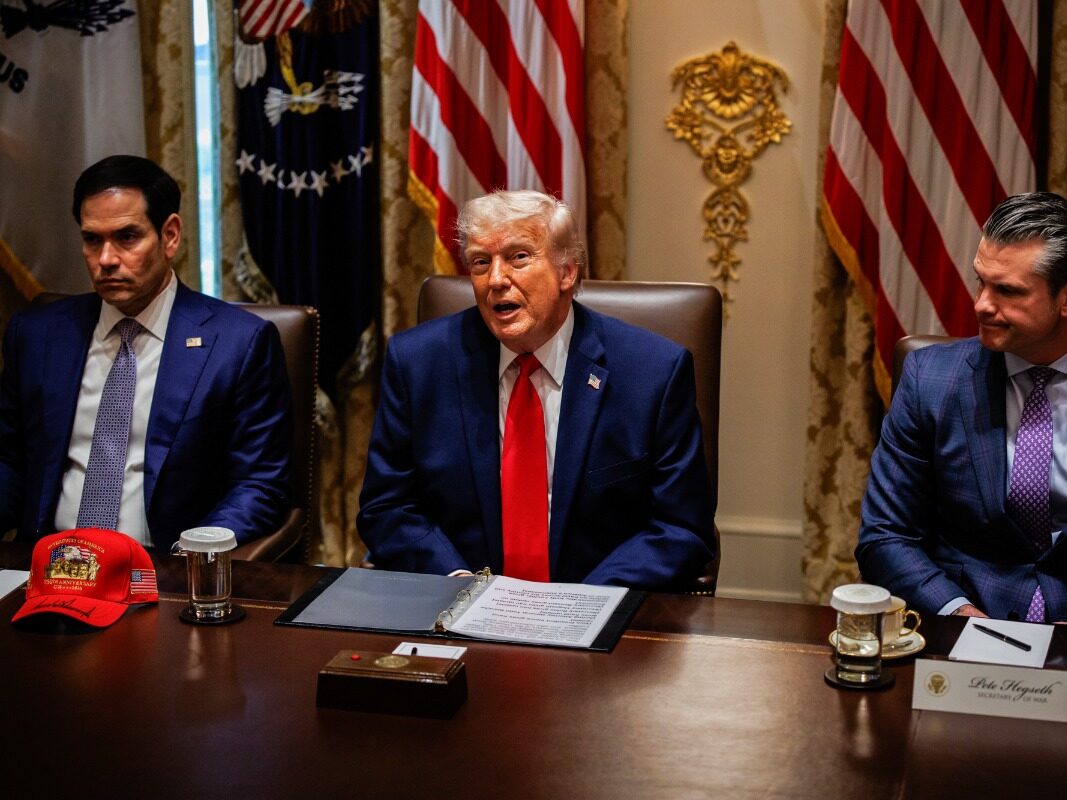
Recent reports indicate that U.S. and Iranian negotiators are working toward a temporary agreement designed to ease tensions and create a pathway for broader discussions.
The proposed framework reportedly includes:
- Extending the current ceasefire period.
- Restarting formal talks on Iran’s nuclear program.
- Improving maritime security in the Persian Gulf.
- Reducing the possibility of military escalation.
- Exploring economic measures and potential sanctions-related discussions.
While these developments are encouraging, officials from both countries have stressed that negotiations are still ongoing. No final agreement has been officially announced, and several important issues remain unresolved.
Nevertheless, the fact that both sides continue to engage in dialogue is being viewed as a positive sign by many international observers.
Also Read- “Iran vs US: Why the World Fears a Bigger Middle East War in 2026 ?”
2. Why Are the Talks Happening Now?
Several factors have contributed to the renewed diplomatic efforts between Washington and Tehran.
A. Growing Regional Instability
The Middle East has experienced significant tensions in recent years. Conflicts involving regional powers, armed groups, and international actors have increased concerns about the possibility of a wider confrontation.
Both the United States and Iran understand that further escalation could have serious consequences for regional stability and global security.
B. Economic Pressures
Economic considerations are also playing a major role.
Iran continues to face challenges linked to international sanctions, inflation, and restricted access to global markets. At the same time, the United States has an interest in maintaining stability in global energy markets and protecting international trade routes.
C. Energy Security Concerns
The Middle East remains one of the world’s most important energy-producing regions. Any disruption in the area can affect oil supplies and energy prices worldwide.
As a result, diplomatic engagement is increasingly seen as a practical way to reduce risks and promote stability.
3. The Nuclear Issue Remains the Biggest Challenge
Despite progress in discussions, Iran’s nuclear program remains the most difficult issue on the negotiating table.
A. U.S. Concerns
The United States wants stronger assurances that Iran’s nuclear activities are exclusively peaceful.
American negotiators are reportedly seeking:
- Limits on uranium enrichment levels.
- Expanded international inspections.
- Greater transparency regarding nuclear facilities and activities.
- Long-term monitoring mechanisms.
Washington argues that these measures are necessary to prevent future security concerns and build international confidence.
B. Iran’s Position
Iran maintains that its nuclear program is intended for peaceful purposes, including energy production and scientific research.
Iran is seeking:
- Relief from economic sanctions.
- Recognition of its rights under international agreements.
- Respect for its sovereignty and national interests.
- Economic opportunities through greater international engagement.
The gap between these positions remains one of the biggest barriers to a comprehensive agreement.
4. Why the Strait of Hormuz Matters
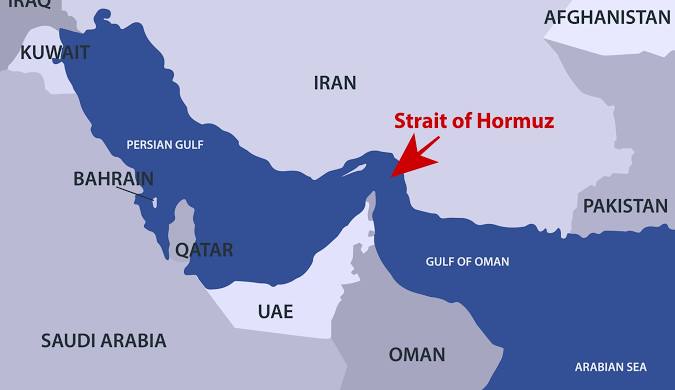
One of the most strategically important issues connected to U.S.-Iran relations is the Strait of Hormuz.
A. What Is the Strait of Hormuz?
The Strait of Hormuz is a narrow waterway located between Iran and Oman. It connects the Persian Gulf to the Arabian Sea and serves as a critical route for global energy transportation.
A large percentage of the world’s oil exports pass through this corridor every day.
B. Why Is It So Important?
Any disruption in the Strait of Hormuz can have immediate global consequences.
Potential impacts include:
- Higher fuel prices.
- Increased shipping costs.
- Supply chain disruptions.
- Rising inflation.
- Greater uncertainty in financial markets.
Because of its strategic importance, ensuring the security of this route remains a priority for governments and businesses around the world.
Also Read – “Trump Demands Free Passage Through Strait of Hormuz as Congress Delays Iran War Vote”
5. How Could the Deal Affect Oil Prices?
Oil markets are highly sensitive to developments involving Iran because the country is a major player in the global energy sector.
A. If a Deal Is Reached
A successful agreement could produce several positive outcomes:
- Greater stability in energy markets.
- Reduced concerns about supply disruptions.
- Improved confidence among traders and investors.
- Lower pressure on global fuel prices.
Stable oil prices can benefit consumers, businesses, and governments alike.
B. If Talks Fail
If negotiations break down, the opposite could occur.
Possible consequences include:
- Rising oil prices.
- Increased market volatility.
- Higher transportation costs.
- Greater inflationary pressure.
For households, this could translate into higher expenses for fuel, travel, and everyday goods.
6. Impact on Global Stock Markets
Financial markets closely follow geopolitical developments because uncertainty often affects investor behavior.
A. Positive Market Reaction
If negotiations lead to a meaningful agreement, investors may respond positively.
Potential benefits include:
- Increased investor confidence.
- Stronger stock market performance.
- Greater international investment activity.
- Improved business sentiment.
Markets generally prefer stability and predictability, both of which could result from successful diplomacy.
B. Negative Market Reaction
If talks collapse or tensions increase, markets could react negatively.
Possible outcomes include:
- Increased volatility.
- Declines in major stock indexes.
- Movement of capital into safer assets.
- Reduced investment activity.
This demonstrates how international diplomacy can directly influence financial markets worldwide.
7. What Does It Mean for Ordinary People?
Although diplomatic negotiations often seem distant from everyday life, their effects can be felt by millions of people.
A. Fuel Costs
Energy prices are among the most visible impacts of geopolitical developments.
A stable relationship between major regional players can help prevent sudden increases in fuel costs.
B. Food Prices
Transportation plays a major role in food distribution.
When fuel prices rise, transportation costs increase, which can eventually lead to higher food prices for consumers.
C. Employment Opportunities
Economic stability often encourages investment and business expansion.
As companies gain confidence, they may create new jobs and increase hiring.
D. Household Budgets
Lower inflation and stable energy prices can help families manage their expenses more effectively.
This is why international agreements often have consequences that extend far beyond government offices and diplomatic meetings.
8. What Could Happen Next?
Several possible scenarios could emerge in the coming weeks and months.
Scenario 1: Temporary Agreement
The most likely short-term outcome is a temporary arrangement that extends the ceasefire and allows negotiations to continue.
This would provide both sides with additional time to address complex issues.
Scenario 2: Comprehensive Agreement
A broader agreement could eventually address:
- Nuclear restrictions.
- Economic sanctions.
- Regional security concerns.
- Trade and economic cooperation.
Such an outcome would represent a major diplomatic achievement.
Scenario 3: Breakdown in Negotiations
If key disagreements remain unresolved, talks could stall or collapse.
This could lead to renewed tensions, increased uncertainty, and greater risks for regional stability.
9. Why the World Is Watching
The United States and Iran occupy important positions in global politics and Middle Eastern affairs.
As a result, developments between the two countries can influence:
- Global oil markets.
- International trade routes.
- Regional security dynamics.
- Investor confidence.
- Inflation rates.
- Economic growth prospects.
Governments, multinational corporations, financial institutions, and energy companies are all closely monitoring the negotiations because the outcome could have far-reaching consequences.
The stakes extend well beyond the borders of the United States and Iran, making these talks one of the most closely watched diplomatic developments in the world today.
Read – Trump says he will soon decide on Iran deal, demands reopening of Hormuz Strait
Conclusion
A successful agreement could reduce geopolitical tensions, improve energy market stability, strengthen investor confidence, and support global economic growth. It could also provide practical benefits for ordinary people through more stable fuel prices, lower inflationary pressures, and improved economic opportunities.
However, important differences still need to be resolved before any final agreement can be reached. Until then, uncertainty remains, and the world will continue to watch closely.
(Source – Reuters)
