

 By
By The tension between Iran and the United States is one of the biggest geopolitical conflicts in the world today. Even when there is no full-scale war, military threats, sanctions, cyberattacks, and proxy conflicts continue to affect oil prices, global trade, and international security.
This easy guide explains the Iran–US conflict in simple pointwise format for readers who want to understand the issue quickly.
1. What Is the Iran–US Conflict?
The Iran–US conflict is a long political, military, and economic rivalry between the United States and Iran.
Main reasons behind the conflict:
- Iran’s nuclear program
- US sanctions on Iran
- Middle East power struggle
- Oil and energy routes
- Support for armed groups in the region
- Israel–Iran tensions
The conflict has become more dangerous after recent military actions and tensions around the Strait of Hormuz.
2. Why Are Iran and the US Enemies?
A. 1979 Iranian Revolution
In 1979, Iran removed its pro-Western ruler and created an Islamic government that strongly opposed the United States.
This completely changed US–Iran relations.
B. Iran Nuclear Program
The US believes Iran may try to develop nuclear weapons.
Iran says its nuclear program is for peaceful energy purposes.
This issue became one of the biggest reasons for sanctions and military pressure. (Al Jazeera)
C. US Sanctions on Iran
The United States has placed heavy economic sanctions on Iran.
These sanctions target:
- Oil exports
- Banking system
- International trade
- Technology access
Sanctions badly affected Iran’s economy and increased tensions.
D. Middle East Power Struggle Iran wants stronger influence in the Middle East.
The US supports countries like:
- Israel
- Saudi Arabia
- United Arab Emirates
This creates regional competition and military rivalry.
3.What Is the Strait of Hormuz and Why the Strait of Hormuz Matters Globally ?
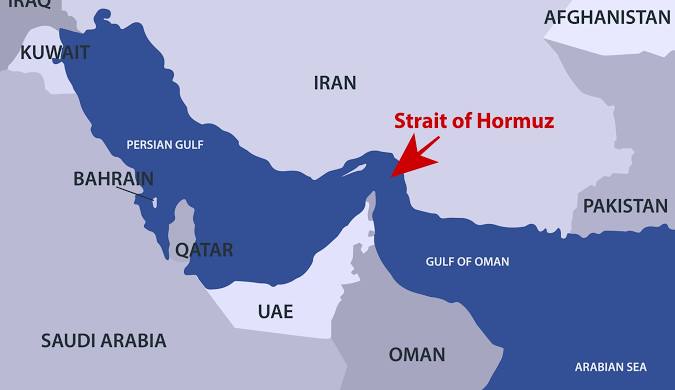
The Strait of Hormuz is one of the world’s most important oil routes.
Strait of Hormuz connects the Persian Gulf to global markets.
Around 20% of global oil passes through this route. Any conflict there can increase fuel prices worldwide.
If the Strait of Hormuz is blocked:
- Oil prices can rise sharply
- Petrol and diesel become expensive
- Shipping costs increase
- Inflation rises globally
- Stock markets become unstable
Even people far from the Middle East feel the impact through fuel and food prices.
4.Could a Full Iran–US War Happen?
A full-scale war is possible but risky for both sides.
Reasons why both countries avoid direct war:
- Massive economic damage
- Global oil crisis
- Regional instability
- Civilian casualties
- Pressure from international powers
Instead, both countries often use:
- Economic sanctions
- Cyber warfare
- Proxy conflicts
- Military threats
- Diplomatic pressure
5.How the Iran–US Conflict Affects Common People
Many people think geopolitics only affects governments, but this conflict impacts ordinary citizens worldwide.
A. Effects on Common People
- Higher fuel prices
- Expensive food and transport
- Inflation
- Travel disruptions
- Global market uncertainty
- Rising energy bills
For developing countries like India, expensive oil can increase the cost of living.
6. Countries Involved in the Iran–US Conflict
A. Countries Supporting the US
- Israel
- Saudi Arabia
- United Arab Emirates
- Some NATO allies
B. Countries Friendly With Iran
- Russia
- China
- Regional armed groups allied with Iran
This makes the conflict more complicated globally.
7. Iran–US Conflict and Oil Prices
Whenever tensions rise:
- Oil prices usually increase
- Investors become nervous
- Gold prices often rise
- Shipping insurance becomes expensive
Global markets closely watch every Iran–US development.
8. Can Diplomacy Stop the Conflict?
Diplomatic talks continue through mediators and international organizations.
Main topics discussed:
- Iran nuclear activities
- Sanctions relief
- Strait of Hormuz security
- Regional peace agreements
Recent reports show both sides are still negotiating despite strong public statements.
9. Latest Iran–US War & Strait of Hormuz Updates
A. Trump Says Iran Deal Is “Largely Negotiated”
US President Donald Trump said a peace framework with Iran is “largely negotiated.” The proposed deal reportedly includes:
- Reopening the Strait of Hormuz
- Reducing military tensions
- Beginning broader negotiations
- Temporary ceasefire arrangements
However, Iranian media denied that a final agreement has been reached
Also Read – “Trump Demands Free Passage Through Strait of Hormuz as Congress Delays Iran War Vote”
B. Strait of Hormuz Still the Biggest Issue
The main dispute remains control of the Strait of Hormuz.
Iran wants:
- Security control over shipping routes
- Recognition of its regional influence
- Relief from sanctions
The US wants:
- Free global shipping access
- No tolls on oil tankers
- Reduced Iranian military activity
The Strait handles nearly 20% of the world’s oil trade, making it one of the most critical energy routes globally. (Reuters)
C. Pakistan Playing a Mediation Role
Pakistan is reportedly helping mediate talks between Iran and the US.
Pakistani military and diplomatic officials have held meetings with both sides in an attempt to prevent further escalation. (The Indian Express)
D. Iran Refuses to “Compromise”
Iranian negotiators said Tehran will not compromise on national interests and warned of stronger retaliation if attacks resume. (Reuters)
Iran also insists:
- Its nuclear rights must be respected
- Sanctions should be removed
- Military pressure must stop
E. Oil Prices and Global Markets Watching Closely
Global markets are reacting carefully because any escalation could:
- Increase petrol and diesel prices
- Disrupt global shipping
- Raise inflation worldwide
- Impact stock markets
Energy analysts say the Strait of Hormuz remains the world’s most sensitive oil chokepoint. (Council on Foreign Relations)
10. What Happens Next?
Possible future scenarios:
A. Peace Agreement
A negotiated settlement could reduce tensions and stabilize oil markets.
B. Continued Cold Conflict
Most experts believe tensions may continue without a full war.
C. Regional Escalation
A small military incident could quickly spread across the Middle East.
11. Final Thoughts
The Iran–US conflict is not just about two countries. It affects:
- Global oil prices
- International trade
- Middle East security
- Inflation worldwide
- Everyday living costs
That is why every major development between Iran and the United States becomes global news.
As negotiations continue, the world watches closely to see whether diplomacy or escalation will shape the future of the Middle East.
