

 By
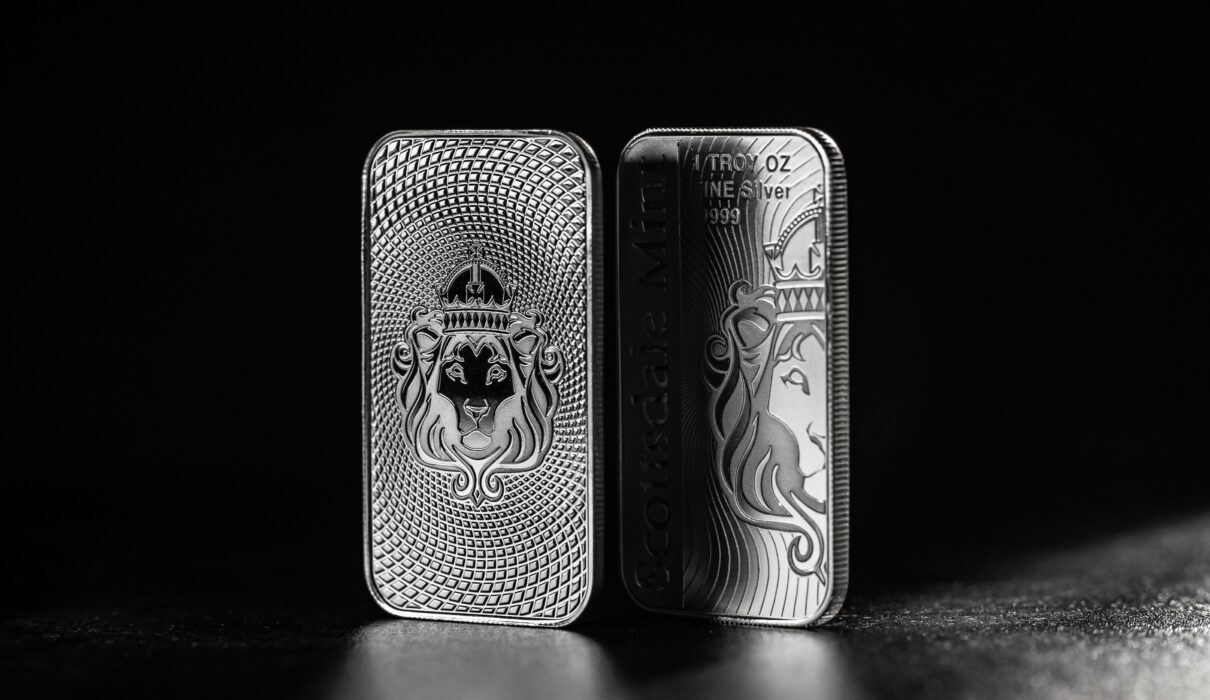
By Picture a solar farm going up outside Ningxia, a battery plant humming in Ohio, and a server hall in Northern Virginia pulling enough power to light a small city. None of it works without a metal most people still picture sitting in a jewelry box or stamped into a coin. Silver runs through the wiring, the circuitry and the contacts of almost every piece of modern infrastructure being built right now, quietly, in the background, while the world argues about its price.
That contradiction is the story. Silver trades on the same exchanges as gold, gets marketed the same way by the same dealers, and shows up in the same “safe haven” conversations during every bout of inflation or currency panic. But unlike gold, most of the silver pulled out of the ground this year will not end up in a vault. It will be etched into a solar cell, soldered into a circuit board, or wound into an electric motor — and it will never come back.
Silver may be one of the most underestimated metals in the global economy. It sits between two worlds that rarely get discussed together: the financial world of investors chasing a hedge, and the industrial world of engineers who need a conductor that does not fail. Understanding silver today means understanding both at once.
Key Takeaways
- Silver is not simply “cheaper gold.” It is a dual-purpose metal — a monetary asset and an industrial input — and those two roles pull on price from different, often conflicting, directions.
- Industrial use, led by electronics, solar power and electrification, now accounts for the majority of global silver demand, a structural shift from a decade ago.
- Most mined silver is a byproduct of copper, lead, zinc and gold operations, which means supply cannot simply expand when prices rise.
- Mexico and Peru still dominate mine output, but manufacturing hubs across Asia, the United States and Europe increasingly shape how much silver the world actually consumes.
- Years of market deficits have thinned above-ground stockpiles, leaving silver more exposed to sudden price swings than most investors appreciate.
1. Why Silver Is Becoming More Important to the Global Economy
Start with the basic physics, because everything else follows from it. Silver is the best electrical and thermal conductor of any metal on the periodic table. Copper is cheaper and does most of the heavy lifting in wiring and grids, but wherever an engineer needs maximum conductivity in a small space — a solar cell, a high-frequency circuit, a medical sensor — silver is often the only practical choice. That single physical property is why silver keeps showing up in places most people never think to look.
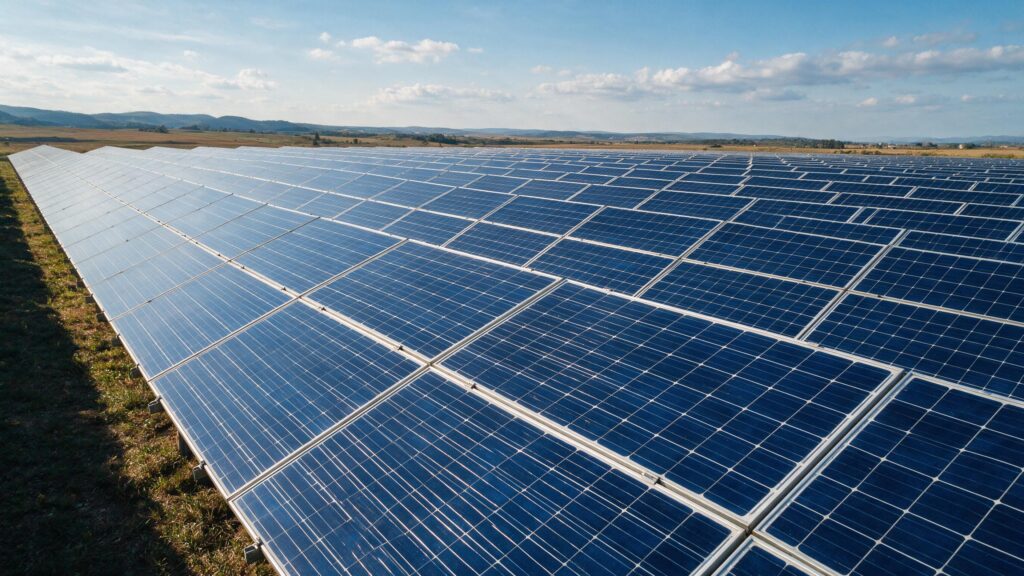
Solar power is the clearest example. Photovoltaic cells rely on a silver paste to carry current off the silicon wafer, and the global build-out of solar capacity over the past decade turned the panel industry into one of silver’s largest industrial consumers. Electric vehicles use silver in switches, sensors and battery management systems, and each vehicle generally requires meaningfully more silver than a comparable gasoline car.
Data infrastructure adds another layer: the servers, switches and power systems behind cloud computing and artificial intelligence all depend on high-reliability silver-plated contacts and conductive pathways, and the buildout of AI-related computing capacity has become a genuine, if smaller, source of demand growth even as other industrial segments cool.
Here is the distinction worth holding onto: gold is primarily valued for what it represents. Silver is increasingly valued for what it can do. That is not a knock on gold, which has its own industrial niche in electronics and dentistry. It is simply a different center of gravity. Central banks stockpile gold as a reserve asset. Almost no government stockpiles silver for that reason. Silver’s importance comes from being embedded in the physical infrastructure of the modern economy — the wiring, the contacts, the coatings — rather than from sitting in a vault as a symbol of trust.
Does that mean the energy transition guarantees higher silver demand forever? Not automatically. Solar manufacturers have spent years “thrifting” — engineering panels to use less silver per watt — and some have experimented with copper-based alternatives in certain cell designs. Price is the reason: when silver becomes expensive relative to a panel’s overall cost, manufacturers have every incentive to reduce it.
That single dynamic has already started showing up in industry data, with silver demand from the solar sector softening even as global solar installations keep expanding. Rising demand and rising efficiency are pulling in opposite directions, and neither one is guaranteed to win permanently.
So is silver becoming a strategic resource for the twenty-first-century economy? The direct answer is yes — but strategic does not mean irreplaceable, and it does not mean price-proof. Silver’s importance comes from the breadth of industries that rely on it at the margin: electronics, energy, transportation, medicine and computing all draw from the same pool.
That breadth is what makes silver structurally important. It is also what makes silver demand sensitive to the health of the global industrial economy as a whole, not just to any single technology story.
Also Read – Globalisation: Unlocking A More Connected World
2. The Global Silver Market: Supply, Demand and the New Resource Competition
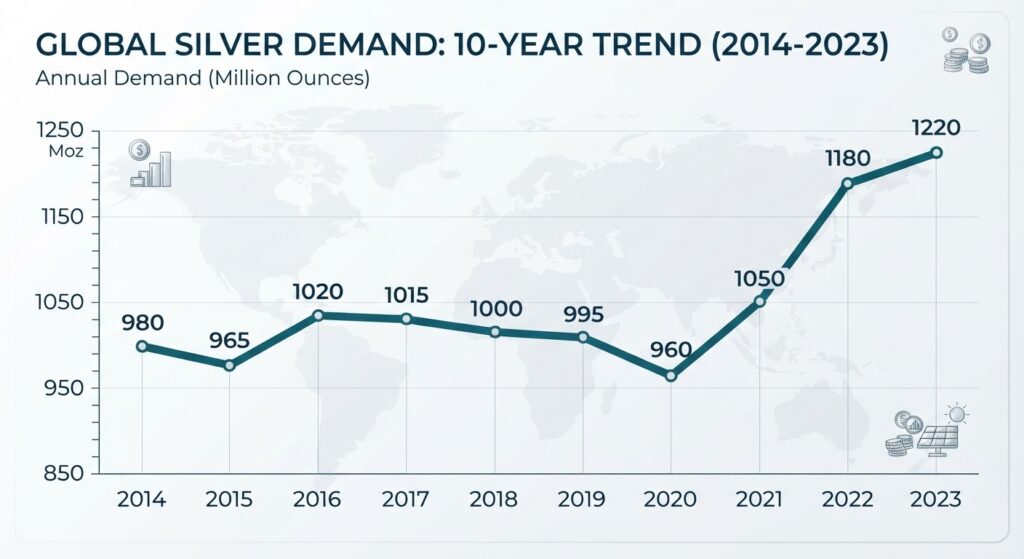
Global silver demand now runs above one billion ounces a year, and industrial applications account for well over half of it — a meaningful shift from a decade ago, when jewelry, silverware and investment coins made up a much larger share. Supply has struggled to keep pace.
Mine output has hovered in a fairly narrow band for years, recycling has climbed to multi-year highs without closing the gap, and the result has been a persistent shortfall between what the world produces and what it consumes — a run of consecutive annual deficits stretching back to 2021, according to tracking published by the Silver Institute and the research firm Metals Focus. Each year’s shortfall gets absorbed by drawing down above-ground inventories held in exchange vaults and institutional storage, which is a finite cushion, not an infinite one.
The structural reason supply cannot simply respond to higher prices is worth explaining carefully, because it is the single most important fact about the silver market that gets lost in casual commentary. Only a minority of mined silver — roughly a quarter of it — comes from mines built primarily to produce silver. The rest arrives as a byproduct of mining copper, lead, zinc and gold. A mining company deciding whether to expand a zinc operation is making that decision based on zinc economics, not silver economics.
Even if silver prices triple, a byproduct mine will not necessarily expand production, because the primary metal’s price and cost structure still govern the investment decision. This is why higher silver prices have historically done less to pull new supply into the market than classical economics would predict.
Recycling fills part of the gap, and it has grown substantially, reaching multi-year highs as higher prices make it more economical to reclaim silver from industrial scrap, jewelry and electronics. But recycled supply is inherently backward-looking — it depends on how much silver was consumed years ago, not on how much the market needs today.
On production, Mexico remains the world’s largest silver-producing country by a wide margin, though its output has slipped over recent years even as Peru has been closing the gap. China, Russia, Poland, Chile and the United States round out the next tier of major producers, but no single country dominates the market the way a handful of nations dominate oil or rare earths. That matters for how we should think about geopolitics here.
It would be a mistake to force this into a simple “China versus the West” narrative. China is both a major silver producer and, more importantly, the world’s largest manufacturing hub for the electronics and solar equipment that consume silver. The countries that matter most to the silver story are not necessarily the ones digging it out of the ground — they are the ones building the panels, circuit boards and devices that use it. Manufacturing concentration in East Asia, renewable energy policy in Europe and the United States, and industrial strategy in India all shape silver demand in ways that have little to do with traditional mining geopolitics.
That said, a commodity can become strategically important without becoming a geopolitical weapon. Export policy uncertainty involving major silver-trading nations has, on occasion, rattled markets briefly during 2026, a reminder that silver is not entirely insulated from trade friction even though it lacks the chokepoint dynamics of something like rare earth processing. Whether governments eventually treat silver with the same strategic urgency they now apply to lithium, cobalt or rare earths remains an open question. Nothing in the current data suggests silver has crossed that threshold yet, but the direction of travel — rising industrial dependence, tightening above-ground stocks — is one that policymakers will have reason to watch.
3. Can Silver Become the Next Big Strategic Investment?
Investors reach for silver for familiar reasons: inflation worries, currency instability, geopolitical tension, concern about government debt loads, and shifts in the U.S. dollar. Silver, like gold, carries no yield and no counterparty risk, which is exactly the appeal during periods when trust in paper assets wavers. In 2026 that appeal was on full display.
Silver posted one of its strongest annual performances in decades through 2025, then spiked to a record high above $120 an ounce in late January 2026 amid a rush of physical buying and tight exchange inventories — before crashing sharply within a single trading session after a shock political development around the Federal Reserve’s leadership.
By late summer, silver had stabilized in the high sixties to around seventy dollars an ounce, still dramatically higher than a year earlier but a long way from its January peak. That single sequence — parabolic rally, violent reversal, uneasy stabilization — tells you more about how silver actually behaves than any single data point could.
But treating silver as simply “cheap gold” misses what actually drives it. Because a majority of demand is industrial, silver is more exposed than gold to the health of the real economy — manufacturing output, technology investment, construction, vehicle production. When the global economy slows, industrial silver demand tends to soften even as investment demand can rise for entirely separate reasons.
That is silver’s defining tension: investors often buy it when they lose confidence in the economy, while industry needs it when the economy and technological investment are expanding. Those two forces do not reliably move together, and when they pull in opposite directions at once, the result is exactly the kind of volatility silver displayed in 2026.
The risks to the bullish case are real and should not be waved away. A global recession would hit industrial fabrication hard. Higher interest rates make a non-yielding asset less attractive to hold. A stronger dollar makes silver more expensive for buyers outside the United States. Continued thrifting in solar manufacturing, further substitution toward copper-based alternatives, and rising recycling volumes could all chip away at the structural deficit that has supported prices since 2021.
Speculative excess is its own risk — a market that can rally 76 percent in a year and then crash 38 percent in a single session, as silver briefly did in early 2026, is not a market where price momentum can be assumed to continue indefinitely.
Could the global push toward electrification, renewable energy and advanced computing fundamentally reshape the silver market over the coming decade? Probably yes — but not smoothly, and not in one direction only. Silver’s greatest strength may also be its greatest source of volatility: it depends on both fear and growth, and those two engines rarely idle at the same speed.
4. FAQ
Why is silver important to the global economy?
What industries use the most silver?
How does solar energy affect silver demand?
Is silver becoming a strategic metal?
Why is silver more volatile than gold?
5. Final Verdict
Silver’s story has stopped being a simple one. For most of its modern history, it traded as gold’s more volatile, more affordable sibling — a way for smaller investors to make a similar bet with more torque. That role has not disappeared. But it now shares the metal with an entirely different constituency: engineers who need a conductor that will not fail, manufacturers building solar panels and electric vehicles at scale, and technology companies racing to build out computing infrastructure.
That is why the deficits of the past several years matter more than a single price chart suggests. When industrial buyers and investors both compete for the same finite pool of metal, and supply cannot expand quickly because most of it depends on decisions made for entirely different commodities, the resulting tightness becomes structural rather than cyclical. It does not guarantee a straight line higher. It guarantees that swings, in both directions, will be sharper than most casual observers expect — as 2026 has already demonstrated in dramatic fashion.
Silver is unlikely to replace oil, copper or rare earths as the single defining strategic resource of the global economy. But its importance could keep rising precisely because it sits at the intersection of energy, technology and finance, drawing demand from constituencies that rarely have to compete with each other for any other commodity.
The next great argument over silver will probably not start in a vault. It will start on a factory floor, inside a solar cell, or somewhere in the wiring of the technologies quietly building the next global economy.
What do you think? Comment Below…..
