

 By
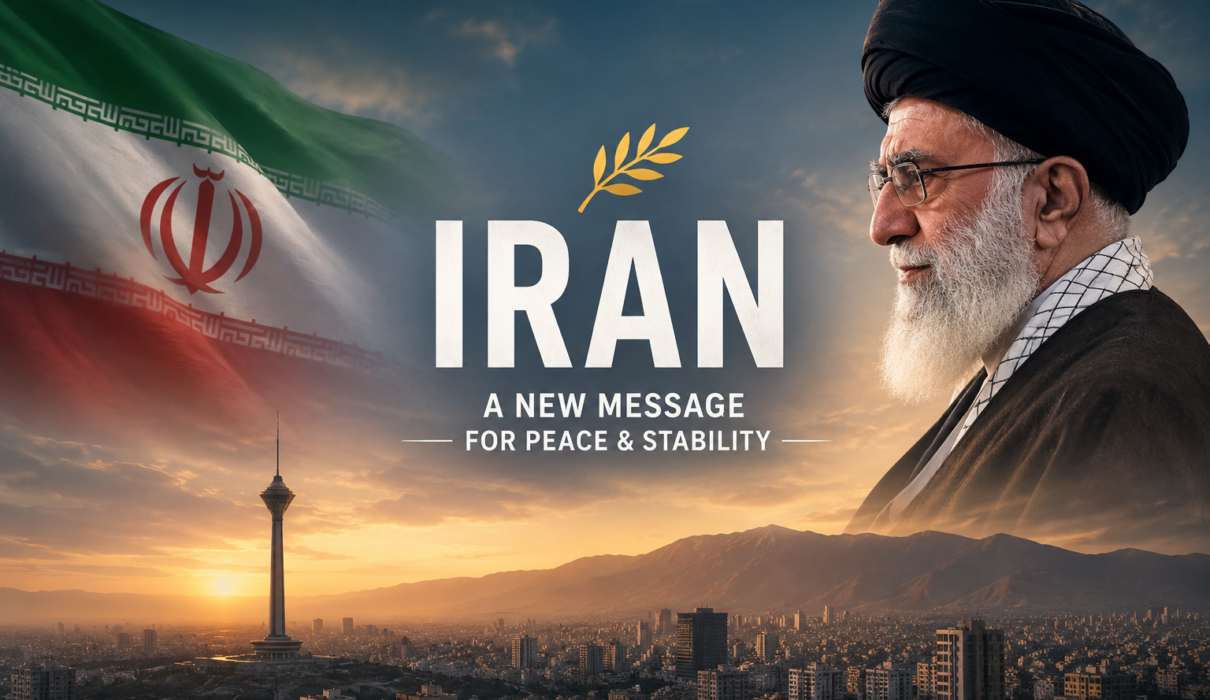
By - The Supreme Leader of Iran Mojtaba Khamenei has become a major topic of discussion across global media and social platforms following his latest remarks on regional security and national unity.
- As Iran navigates a period of heightened geopolitical tensions, the Supreme Leader of Iran emphasized that the country would remain steadfast in defending its interests while pursuing stability.
- In a recent statement, he urged Iranians to maintain unity and resilience, declaring that external pressure would not weaken the nation’s resolve.
- His comments come amid ongoing discussions about Iran’s relations with the United States, Israel, and neighboring countries, making every statement from the Supreme Leader of Iran closely watched by governments and analysts worldwide.
- The remarks have sparked renewed debate about Iran’s future direction, the prospects for diplomacy, and the broader impact on Middle Eastern security.
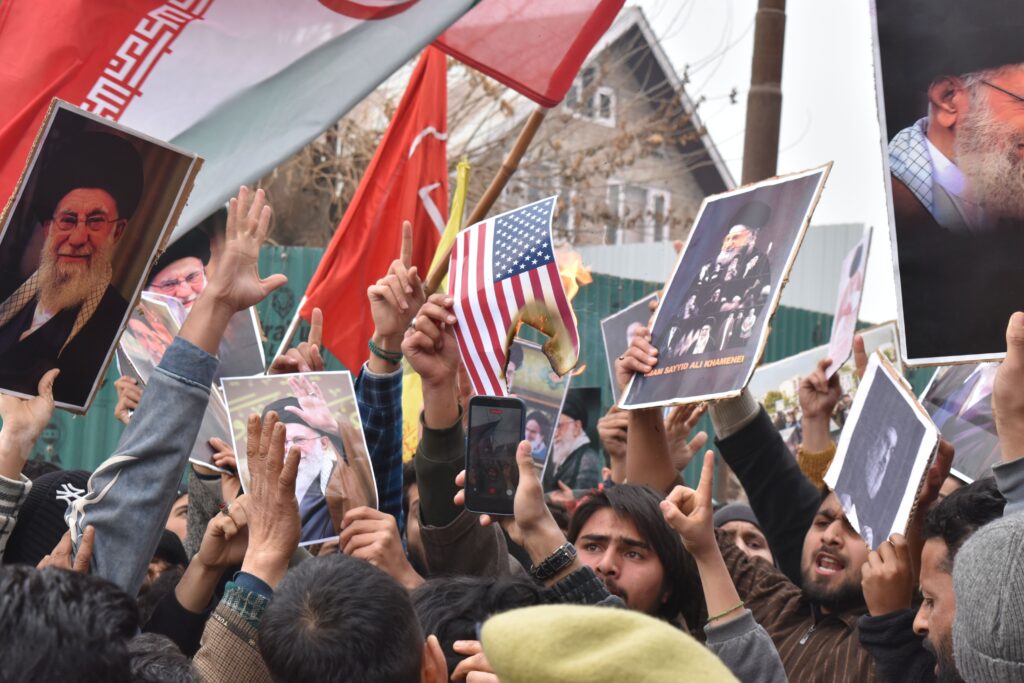
1. How the Supreme Leader of Iran’s Statement Could Affect the Regional Conflict
The recent statement by the Supreme Leader of Iran could have important implications for ongoing regional tensions and future diplomatic efforts.
A. Greater Focus on National Unity
The Supreme Leader’s call for unity may strengthen domestic support for Iran’s policies, allowing the government to present a more coordinated response to external challenges.
B. Signal of Strategic Patience
By emphasizing resilience rather than escalation, the statement may be interpreted as a signal that Iran prefers a calculated approach instead of immediate military confrontation.
C. Impact on Diplomatic Efforts
Regional and international actors will closely analyze the remarks for signs of openness to negotiations. If diplomatic channels remain active, the statement could help create conditions for future dialogue.
D. Influence on Regional Allies
Iran-backed groups and regional partners often pay close attention to guidance from Iranian leadership. The speech may influence their political and security calculations in the coming months.
E. Effect on Israel-Iran Tensions
Any indication of Iran’s future strategy is likely to be scrutinized by Israel and its allies. The remarks could either reduce concerns about immediate escalation or reinforce existing security preparations, depending on how future events unfold.
F. Impact on Global Energy Markets
Because Iran plays a significant role in the Middle East, investors often react to statements from its leadership. Messages favoring stability can help reduce uncertainty, while signs of escalation may increase market volatility.
G. Possible Path Toward De-escalation
If future actions align with the speech’s emphasis on stability and national resilience, some analysts believe it could support broader efforts to reduce tensions and prevent a wider regional conflict.
Also Read –
- US-Iran Breakthrough Could Boost Global Economy…
- Iran vs US: Why the World Fears a Bigger War
- Trump Demands Free Passage Through Strait of Hormuz as Congress Delays Iran War Vote
2. Who Could Benefit from the Supreme Leader of Iran’s Statement?
A. Iran’s Government
The statement reinforces national unity and may strengthen public confidence during a period of regional uncertainty. A unified domestic front can help the government pursue its political and diplomatic objectives more effectively.
B. Iranian Diplomacy
By emphasizing stability and resilience, Iran may improve its position in future negotiations with regional and international actors. Diplomatic engagement often becomes easier when a country projects confidence and stability.
C. Regional Stability Efforts
Countries seeking to avoid a wider Middle East conflict could benefit if the statement encourages restraint and reduces the likelihood of immediate escalation.
D. Global Energy Markets
Any indication that tensions may not escalate further can provide reassurance to energy markets. Reduced uncertainty may help stabilize oil prices and shipping routes in the region.
E. Neighboring Countries
Nations across the Middle East generally benefit from lower tensions because stability supports trade, investment, and economic growth.
F. International Mediators
Countries and organizations working to reduce regional tensions could find opportunities for dialogue if Iran’s leadership continues to emphasize stability and strategic patience.
G. Global Economy
A reduction in conflict risks can improve investor confidence and decrease concerns about disruptions to major energy supply routes, particularly in the Gulf region.
3. Who Could Lose from the Supreme Leader of Iran’s Latest Statement?
A. Hardline Advocates of Escalation
Groups or individuals seeking a rapid military confrontation may find their objectives harder to achieve if Iran’s leadership emphasizes stability, strategic patience, or diplomacy.
B. Extremist Organizations
Any move toward regional stability and dialogue can reduce the influence of organizations that benefit from prolonged conflict and instability.
C. Speculators Betting on Higher Oil Prices
If the statement helps calm fears of a wider conflict, oil prices could stabilize, potentially reducing profits for traders who expected sharp price increases.
D. Political Actors Seeking Regional Instability
Governments, factions, or groups that gain strategic advantages from continued unrest may find their position weakened if diplomatic efforts gain momentum.
E. Misinformation Networks
Periods of heightened tension often generate rumors and misinformation. Clear messaging from leadership can make it more difficult for false narratives to gain traction.
F. Armed Groups Relying on Conflict Narratives
Organizations that use ongoing regional tensions to recruit supporters or justify military activities could face challenges if de-escalation becomes more likely.
G. Businesses Affected by Uncertainty May Still Face Risks
While stability benefits many sectors, companies that profit from crisis-driven market volatility could see fewer opportunities if tensions ease.
4. Strategic Implications of the Supreme Leader of Iran’s Statement
A. Signals Iran’s Future Direction
The statement provides clues about Iran’s strategic priorities, helping regional and global powers assess Tehran’s likely political, military, and diplomatic course.
B. Shapes Regional Security Calculations
Countries across the Middle East, particularly Israel and Gulf states, closely monitor remarks from the Supreme Leader of Iran when evaluating their own security and defense policies.
C. Influences Diplomatic Negotiations
The tone and content of the statement may affect ongoing or future diplomatic efforts involving Iran, including discussions on regional security, sanctions, and conflict management.
D. Strengthens Domestic Cohesion
Calls for unity and resilience can reinforce internal stability, which is a critical factor in sustaining national strategy during periods of geopolitical tension.
E. Impacts Proxy and Allied Groups
Iran-backed groups and regional partners often view statements from Iranian leadership as important strategic signals, potentially influencing their political and military decisions.
F. Affects Deterrence Strategy
By publicly outlining Iran’s position, the Supreme Leader can strengthen deterrence by signaling resolve while also communicating limits and intentions to rivals.
G. Influences Energy and Trade Security
Because Iran occupies a strategic position near key global energy routes, any shift in policy can affect international shipping, energy markets, and economic planning.
H. Shapes Global Perceptions of Iran
The statement contributes to how foreign governments, investors, and international organizations perceive Iran’s intentions, stability, and willingness to engage diplomatically.
I. May Determine the Course of Regional Tensions
If followed by diplomatic initiatives, the statement could support de-escalation. If accompanied by tougher actions, it could contribute to heightened tensions and strategic competition.
Conclusion
The latest statement from the Supreme Leader of Iran has attracted global attention at a critical moment for the Middle East. Beyond the headlines, the remarks offer important insights into Iran’s approach toward regional security, diplomacy, and national resilience. As tensions continue to shape the geopolitical landscape, every signal from Iran’s highest authority carries significant strategic weight.
While supporters view the statement as a call for unity and stability, critics remain cautious about its long-term implications. Ultimately, the true impact will depend not on words alone but on the policies and actions that follow. Whether the statement contributes to de-escalation, renewed diplomacy, or continued strategic competition, it has already become a key development in the evolving Middle Eastern security environment.
As governments, analysts, and citizens around the world monitor the situation, the role of the Supreme Leader of Iran will remain central to understanding the future direction of regional politics, conflict dynamics, and prospects for lasting peace.
(Source – Reuters)
Read – Iran’s Khamenei warns against divisions after ‘enemy’s defeat on battlefield’
