

 By
By Sudan, Congo, Myanmar, the Sahel, Yemen, the Horn of Africa and Haiti are not footnotes. They are where Russia, China, the United States and the Gulf states are competing right now.
The seven forgotten wars shaping global power politics in 2026 are Sudan’s civil war, the M23 war in eastern Congo, Myanmar’s civil war, the jihadist war in the Sahel, Yemen’s Red Sea war, the Ethiopia–Eritrea–Tigray standoff, and Haiti’s gang war. They get far less airtime than Iran or Ukraine, yet each sits on a shipping chokepoint, a critical-mineral supply chain or a great-power rivalry. That is why Russia, China, the United States, the Gulf states and Turkey keep turning up in them.
Pick up your phone. Somewhere inside it, a tiny capacitor may hold tantalum, and tantalum comes from coltan. About one kilogram in every seven of the world’s coltan is dug out of a single mining district in eastern Congo called Rubaya, a place most people could not find on a map.
Now think of the electric car humming past your window. Its motor depends on heavy rare earths, and nearly half of the world’s supply is mined in Kachin State in northern Myanmar, around Bhamo, less than a hundred kilometres from the Chinese border. Think of the crude oil that leaves Saudi Arabia’s Red Sea port of Yanbu. It now sails past a coastline that a rebel movement seized in September.
None of those places led the news today. Several have not led it in months. Yet each is a war, and each is quietly deciding who controls a supply chain, a sea lane or an alliance. The cameras left. The great powers did not.
This is a guide to seven of those wars: what is happening on the ground as of 2 October 2026, who is really fighting them, and why each one matters far beyond its borders.
Why “Forgotten” Is The Wrong Word For These Wars
The UN refugee agency counted 117.8 million forcibly displaced people at the end of 2025, about one in every 70 humans. That figure fell for the first time in a decade, partly because millions went home to Syria, Afghanistan and Sudan, often in dire conditions. The relief did not last. When the US-Israeli war on Iran began on 28 February 2026, Iran effectively closed the Strait of Hormuz, and the world’s attention locked onto the Gulf.
Attention is the scarcest resource in international politics, and it flows to a few wars at a time. The wars outside that spotlight do not stop. They become cheaper places to compete. A government can back a proxy in Darfur, rent mercenaries in Mali or sell weapons to a junta in Myanmar and rarely pay a diplomatic price at home. A war can be forgotten by audiences and still be closely watched by capitals.
To pick the seven below, I used four tests. The war must be active, or openly on the brink, as of 2 October 2026. It must get little sustained coverage compared with its scale. At least two outside powers must have a documented stake. And it must connect to a chokepoint, a critical commodity or a security alliance that reaches past its region.
Also Read – Strait of Hormuz: The Critical Path to Peace…
Map: Seven wars, One Connected system
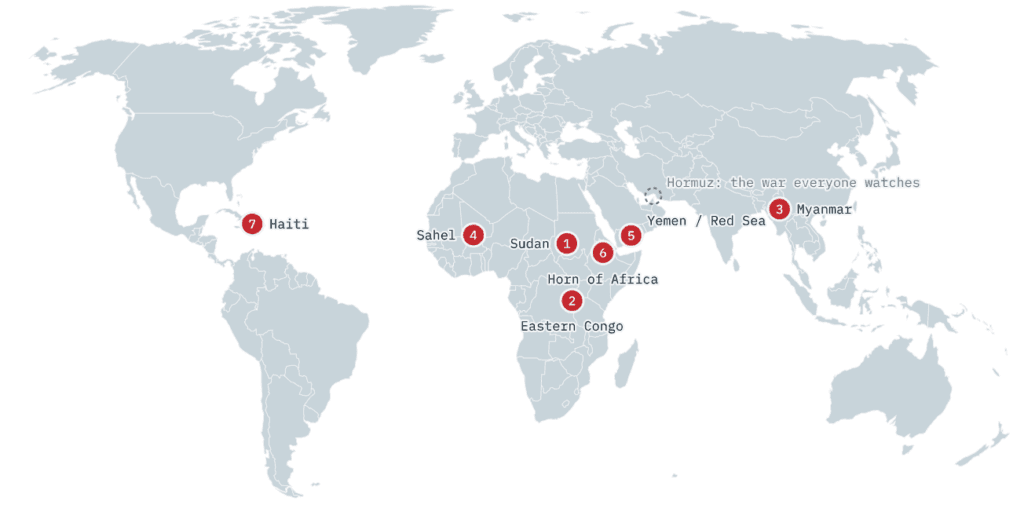
Where the seven wars sit:
- Sudan (north-east Africa): Army v. RSF. The UAE, Egypt, Turkey and Russia all have a stake, and the prize includes the Red Sea coast.
- Eastern Congo (central Africa): Rwanda-backed M23 v. Kinshasa, with the US trading minerals for security and China holding the mines.
- Myanmar (South-East Asia): Junta v. ethnic armies over the heavy rare earths that feed China’s magnet industry.
- Sahel (West Africa): Jihadists besiege Bamako while Russia’s Africa Corps loses ground.
- Yemen and the Red Sea (Arabian Peninsula): Houthis now hold Yemen’s whole Red Sea coast and are blockading Saudi Arabia.
- Horn of Africa (Ethiopia, Eritrea, Tigray): Ethiopia wants a port, Eritrea fears invasion, and Tigray is the fuse.
- Haiti (Caribbean): Gangs hold most of Port-au-Prince while a US-backed UN force fights to keep its mandate.
Not on the list, because the world is already watching it: the Strait of Hormuz and the Iran war.
1. Sudan’s war: two generals and a Red Sea prize
Since April 2023 · North-east Africa
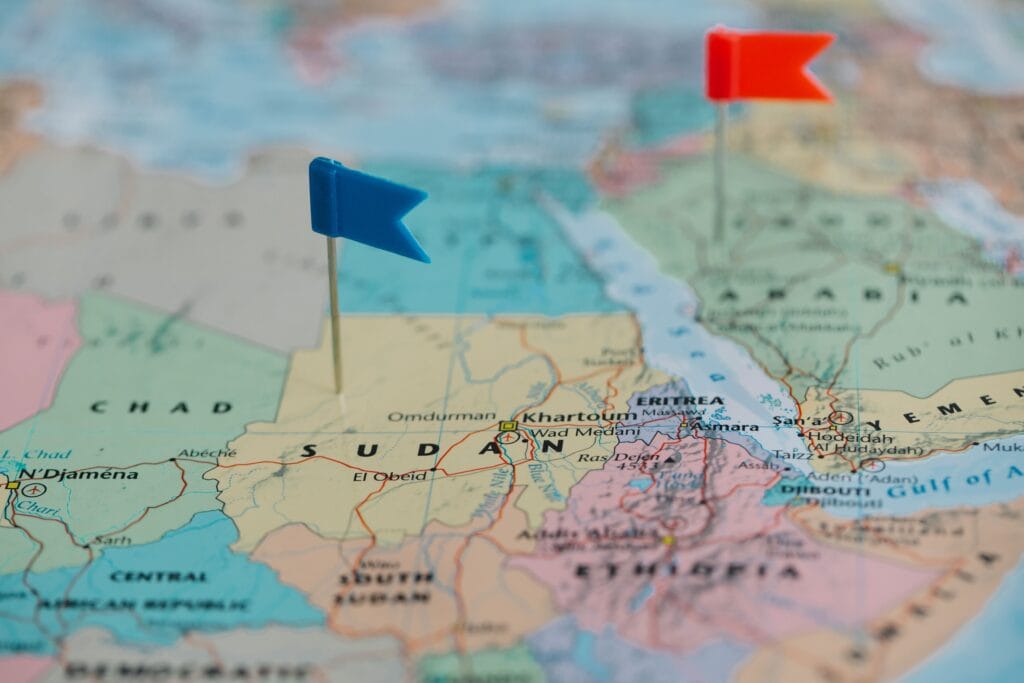
Sudan’s war began when the army and the Rapid Support Forces (RSF), once allies, fell out over folding the paramilitary into the regular military. The turning point came on 26–27 October 2025, when the RSF took El Fasher, the army’s last stronghold in Darfur, amid reports of mass killings. In 2026 the fighting moved east into Kordofan. On 26 July the army retook Bara, Jabra al-Sheikh and Umm Sayala on the road linking Omdurman to El-Obeid, and its chief of staff promised to finish the RSF before the end of the year.
The RSF answered with coordinated drone strikes on five army-held cities and, in August, a push into Kurmuk on the Ethiopian border, according to Al Jazeera. Aid workers estimate that more than 200,000 people have been killed. Depending on the count, between 13 and 15 million have been forced from their homes.
Also Read – Two Years On, Sudan’s War is Spreading
The outside world is deeply involved. The United Arab Emirates is widely accused of arming the RSF and denies it. Egypt and Turkey back the government, according to The New Arab. Russia first leaned toward the RSF. Sudan’s government has since reportedly offered Moscow a 25-year naval base at Port Sudan, for up to four ships and 300 personnel, in exchange for arms, and Washington has warned of serious consequences. A US-backed truce plan from the Quad (the US, Saudi Arabia, the UAE and Egypt) was rejected by the army chief, who called the group biased because the UAE sits in it.
A Russian base at Port Sudan would let Moscow watch traffic entering and leaving the Suez Canal. Sudan is where Gulf rivalry, Russia’s hunt for a warm-water foothold and US efforts to keep the Red Sea open collide, and gold helps pay for the fighting. Investigators at The Sentry describe an RSF business empire spanning gold, livestock and banking.
2. The Congo war: minerals for peace, tested in real time
Since 2022 (and 30 years before) · Central Africa
The Rwanda-backed M23 movement seized Goma and Bukavu in early 2025, and it is the most prominent of more than 100 armed groups in Congo’s mineral-rich east. About seven million Congolese are displaced. What makes this war unusual is the thick diplomacy wrapped around it. The Washington Accords between Congo and Rwanda came in December 2025.
A Doha framework between Kinshasa and M23 came in November, and a ceasefire has been in place since 15 November, though fighting goes on. In August 2026, talks in Switzerland, mediated by the US, Qatar, Togo, Switzerland and the African Union, produced a roadmap, and a first ceasefire verification mission was sent to Minembwe in South Kivu, where militias allied to each side have been fighting.
Washington is playing two hands. It signed a strategic partnership with Kinshasa in December 2025 to secure cobalt, copper and lithium, reducing dependence on Chinese supply chains. It also sanctioned the entire Rwanda Defence Force on 2 March 2026, and in June it targeted M23 and FDLR commanders and a Kigali network moving gold. Yet the US exempted Rwandan operations in Mozambique’s Cabo Delgado from its sanctions, because Rwandan troops are fighting insurgents there, as the FDD notes. Even sanctions have exceptions when a war overlaps with another.
Also Read- Minerals for peace – or war over minerals in the DR Congo?
Rubaya’s mines produce roughly 15 percent of the world’s coltan, per Global Witness, and the rebels have reportedly even sought to sell directly to the United States. Meanwhile China’s CMOC, the world’s largest cobalt miner, posted record output in 2025, and Beijing controls roughly 70 percent of global cobalt refining.
Congo is the live test of “minerals-for-security” diplomacy. If it works, it becomes a template for resource-rich fragile states. If it fails, it shows that sanctions and deals cannot outweigh a rebel group that profits from the war.
3. Myanmar’s war: the rare-earth front line
Since February 2021 · South-East Asia
Since the 2021 coup, Myanmar’s military has lost control of most border regions to ethnic armies and resistance forces. It held an election in December 2025 and January 2026 that critics call a sham to legitimise military rule. In May 2026 the junta, under a new military chief, launched fresh offensives in Kachin, Chin and Karen states, aimed at rare-earth areas and trade routes toward India and Thailand. Air power does the heavy lifting, and Reuters has reported that the bombing campaign relied on illicit jet-fuel deliveries, including from Iran.
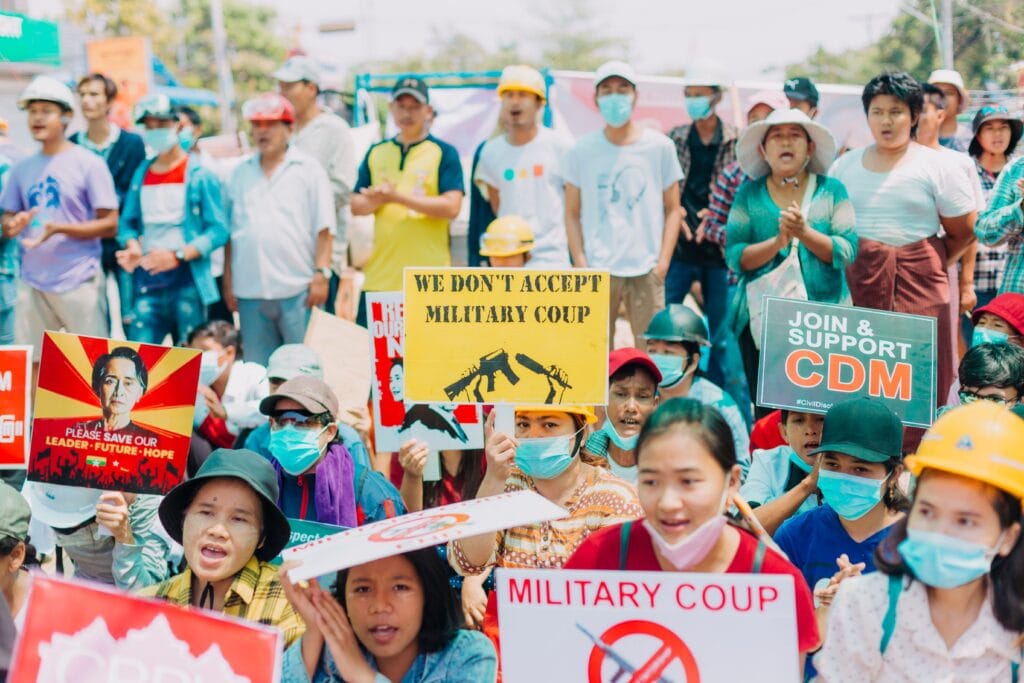
The prize is geological. Between 2017 and 2024, Myanmar exported more than 290,000 tonnes of rare-earth material to China, worth over $4.2 billion. Reuters has reported that nearly half of the world’s heavy rare earths come from Kachin, near Bhamo, where the Kachin Independence Army has fought the junta for the town. Those elements become magnets for electric vehicles and wind turbines, and China dominates their refining.
Also Read – The Critical Minerals Linking Myanmar’s Civil War to the World
Beijing’s position is subtle. It sees the junta as a guarantor of its economic interests, yet it also talks to the rebels, because what it wants most is steady shipments. When fighting threatens the flow, China uses its leverage on both sides. The UN counted more than 3.5 million displaced inside Myanmar early in 2025, and 1.2 million Rohingya shelter in Bangladesh, per UNHCR.
Western plans to loosen China’s grip on rare earths run straight through a war zone where Beijing holds the strongest hand. Whoever controls Kachin’s mines influences the price of the clean-energy transition.
4. The Sahel war: Russia’s African gamble under siege
Since 2012, escalating since 2025 · West Africa
From September 2025, the al-Qaeda-linked JNIM attacked fuel convoys heading for Bamako, hitting more than 130 tankers and, by Just Security’s account, forcing school closures across Mali. On 25 April 2026, JNIM and the Tuareg-led Azawad Liberation Front struck across the country at once. A suicide truck bomb killed Defence Minister Sadio Camara near the capital, the rebels took Kidal, and Russia’s Africa Corps accepted an escorted withdrawal from the city and from other northern bases.
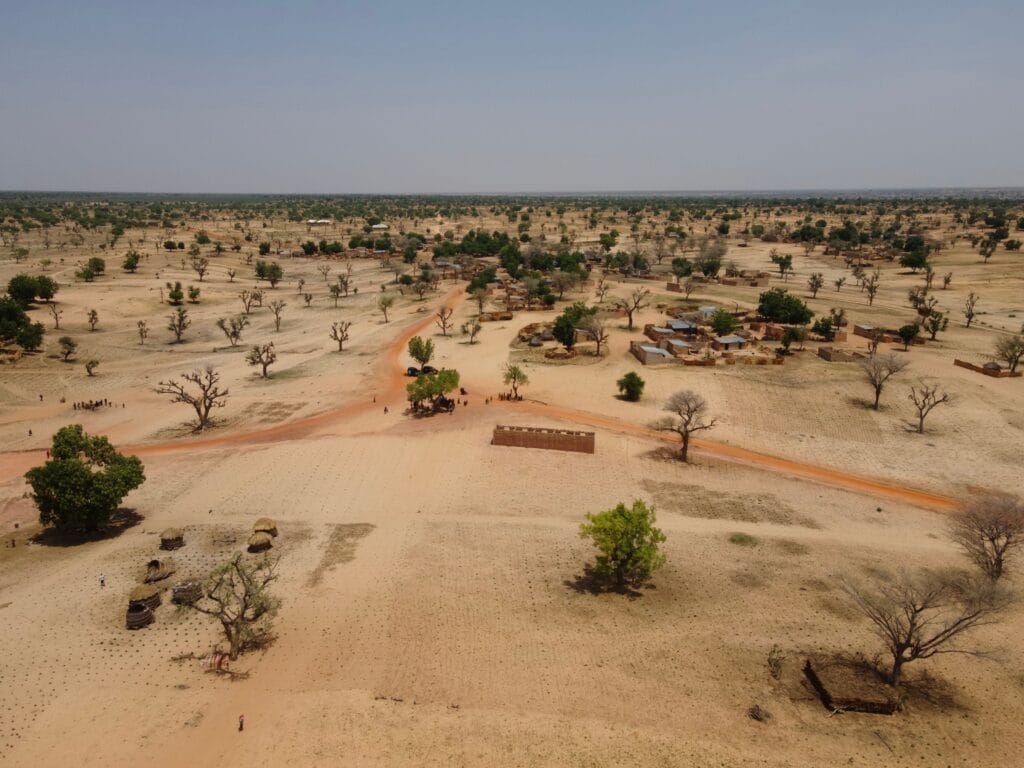
For Moscow the setback hurt. The Africa Corps replaced the Wagner Group in Mali, and the juntas of Mali, Burkina Faso and Niger had pushed out France and, in Mali’s case, UN peacekeepers to partner with Russia. ACLED data cited by Just Security show battles involving Russian fighters in Mali fell from 537 in 2024 to 402 in 2025, and the Africa Corps now looks more like a regime-protection force than a combat one. The war in Ukraine has also stretched Russian manpower. Even so, Foreign Minister Sergei Lavrov flew to Niamey on 8 July 2026 and promised the juntas Moscow would not walk away.
Also Read – Violent Extremism in the Sahel
Money keeps the insurgents going. The International Crisis Group noted an estimated $50 million ransom allegedly paid for two abducted Emiratis, which left JNIM unusually flush. It also warned that both Mali and Burkina Faso face a growing risk of regime collapse. Spillover is already creeping toward coastal states such as Benin and Togo.
The Sahel is the test of Russia’s whole Africa model: regime protection in exchange for access and influence. If Bamako buckles, the post-French order in West Africa buckles with it, and Washington’s cheap intelligence flights start to look like a hedge worth making.
5. Yemen’s Red Sea war: a rebel movement at the world’s choke point
Since 2014 · Arabian Peninsula
Yemen’s war entered a dangerous phase in 2026. In July the Iran-backed Houthis declared a naval blockade of Saudi Arabia, and in mid-September they seized the port of Mokha, nearby islands and the Bab al-Mandeb coastline, giving them Yemen’s entire Red Sea shore. Their top diplomat insists navigation remains open, while traffic through the strait has fallen.
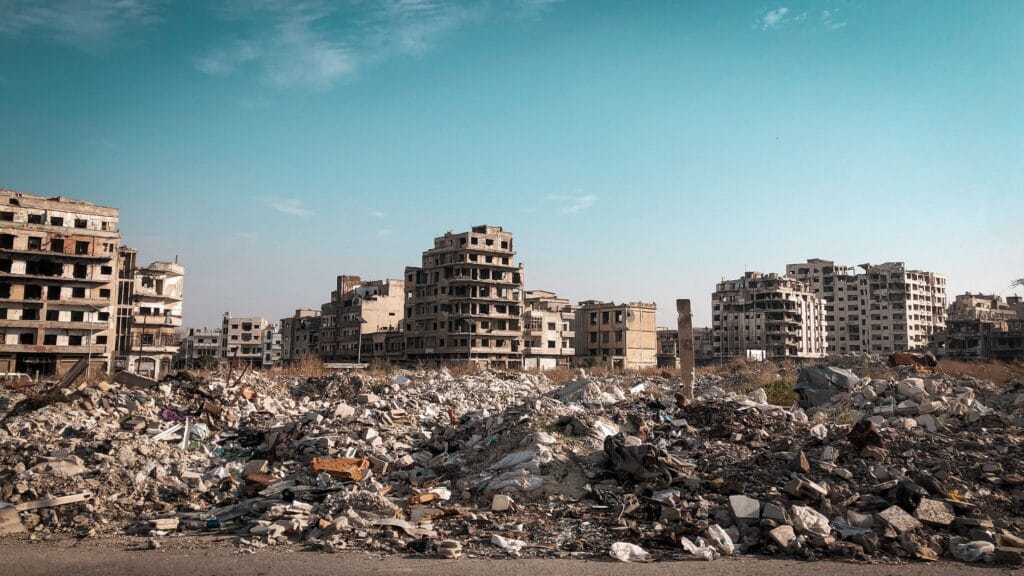
The timing matters. With Hormuz disrupted by the Iran war, Saudi Arabia has pushed more crude through its East-West pipeline to Yanbu on the Red Sea. Lloyd’s List Intelligence found that Bab al-Mandeb traffic dropped 24 percent after the blockade, while very large crude carriers rerouted via Suez, lightening cargo at Yanbu or discharging partly at Ain Sukhna to fit the canal’s draught limits. The Red Sea carries roughly 12 to 15 percent of global maritime trade and about 30 percent of container traffic, according to industry analysts.
Also Read – Yemen government forces widen attacks against Houthis
On the ground, the human toll is staggering. The UN says 22.3 million Yemenis need aid in 2026, including 5.2 million internally displaced, and the response plan was only about 13 percent funded at last report.
A rebel movement, armed and encouraged by Iran, now holds leverage over the two energy corridors the world depends on. It does not need a full blockade. As one former US admiral put it, the bar for the Houthis to succeed is low.
6. The Ethiopia–Eritrea war that has not quite started
Building since 2024 · Horn of Africa
This is the one war on the list that may still be avoided. Ethiopia’s prime minister, Abiy Ahmed, calls sea access a matter of survival for his landlocked country, and he has eyed the Eritrean port of Assab, only about 60 kilometres from the border. The International Crisis Group called the region a powder keg in February 2026.
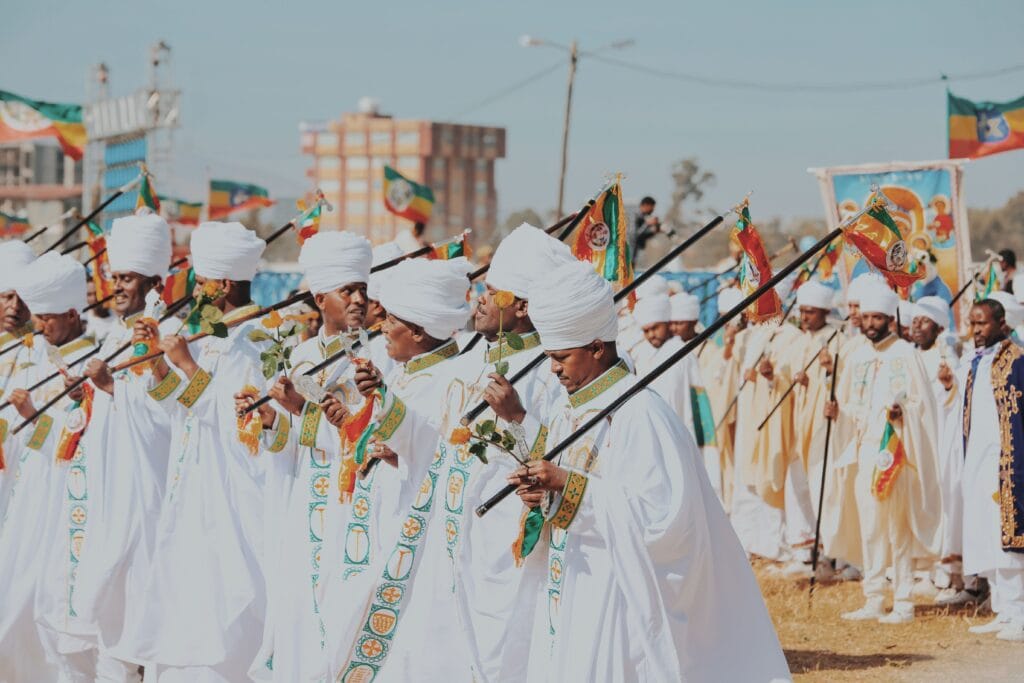
Signals have since darkened. Fighting between Tigrayan forces and federal troops broke out on 29 January, Ethiopia accused Eritrea of occupying its territory and backing armed groups, and diplomats reported troop deployments in May. In August, clashes with heavy artillery and drones erupted near the Sudanese border. Sudan Tribune reported 15 Tigrayan bodies recovered from the Setit River, and Tigrayan forces accused the government of a drone strike.
Also Read – Ethiopia-Eritrea, an absurd war
Analysts disagree on what comes next. ACLED argues that a direct state-versus-state war is unlikely and that the likelier outcome is each side backing the other’s rebels. Either way, the 1998–2000 border war killed tens of thousands, and the region’s hotspots are now wired together. The Ethiopia–Sudan frontier is also where the RSF pushed on Kurmuk in August.
Whoever fights for Assab is fighting for a spot on the Red Sea, the same corridor that Yemen’s war and Sudan’s war already threaten. One regional expert warned that proxies would be pulled in quickly if war erupts.
7. Haiti’s gang war: a UN force with a US fingerprint
Since 2021 · Caribbean
Gangs control an estimated 90 percent of Port-au-Prince, and the UN recorded more than 5,500 killed across Haiti between March 2025 and mid-January 2026, with over 1.4 million displaced. The Security Council responded on 30 September 2025 by authorising a Gang Suppression Force of up to 5,550, proposed by the United States and Panama. The vote was 12 in favour, with Russia, China and Pakistan abstaining. Unlike its Kenyan-led predecessor, the force can make arrests.
Chad’s troops arrived in April 2026, and in mid-June Secretary-General António Guterres visited the force’s headquarters. On 29 September 2026 the Council extended the force’s mandate by six months, to 31 March 2027, with China, Russia and Pakistan abstaining again. The force is at roughly 30 percent of its planned strength, with about 1,500 troops deployed and around 4,000 more expected in the coming months. Haiti is also preparing for its first elections in a decade, with a first round planned for 13 December.
Also Read- UN Security Council extends Haiti anti-gang force by 6 months
Russia’s ambassador argued that the mandate allows force against anyone labelled with the vague term “gangs”. That sums up the fault line: Western capitals frame the problem as organised violence to be suppressed, while Moscow and Beijing question the precedent.
Haiti is Washington’s backyard, and it shows a new model of international security: a hybrid force run by willing countries, with UN logistics, rather than a classic blue-helmet mission. If it works, expect copies.
The Scoreboard: Who Pays, And What Is The Prize?
The human cost is concentrated where the strategic prizes are. The chart shows the scale of internal displacement in five of the seven wars with solid published figures. The Sahel and Horn wars are not charted, because comparable counts were not available at the time of writing.
People displaced, five of the seven wars
| War | People displaced | Source note |
|---|---|---|
| Sudan | 13–15 million | UN estimates range from about 13 to 15 million |
| Congo | 7 million | Displaced in Congo, per the UN as reported by AP |
| Yemen | 5.2 million | Internally displaced, UN OCHA 2026 plan |
| Myanmar | 3.5 million+ | UN estimate cited in early 2025, likely higher now |
| Haiti | 1.4 million | Displaced by gang violence, per UN figures reported by AP |
Counting methods differ between agencies and some numbers are older than others. For scale, UNHCR counted 117.8 million forcibly displaced people worldwide at the end of 2025.
The table below reverses the question and asks what each war really controls.
The Prize In Each War
| War | What is really at stake | Outside players |
|---|---|---|
| 1. Sudan | Gold networks and the Red Sea coast, including a possible Russian base at Port Sudan | UAE, Egypt, Turkey, Russia, US |
| 2. Eastern Congo | Cobalt, coltan, copper and lithium. Rubaya alone supplies about 15% of the world’s coltan | US, Rwanda, China, Qatar |
| 3. Myanmar | Heavy rare earths in Kachin, near the Chinese border | China, Iran (jet fuel), India and Thailand (border trade) |
| 4. Sahel | Fuel routes into Bamako and the credibility of Russia’s Africa Corps | Russia, Algeria, US |
| 5. Yemen and the Red Sea | Bab al-Mandeb, Suez access and Saudi crude exports from Yanbu | Iran, Saudi Arabia, US, Egypt |
| 6. Ethiopia and Eritrea | The port of Assab and Ethiopia’s access to the sea | Eritrea, Ethiopia, Tigray, Sudan border |
| 7. Haiti | A US-led security model and the Security Council’s credibility | US, Panama, Chad; Russia and China abstained |
Five Rules These Wars Share
1. The attention map is not the interest map. A war can drop out of the headlines while its strategic value climbs. Port Sudan, Bab al-Mandeb and Kachin are more important to great powers today than they were when the cameras were present.
2. Chokepoints and minerals turn local wars into global ones. Cobalt, coltan, rare earths, Suez-bound crude and Red Sea ports give distant governments a reason to care. Where there is no resource or sea lane, as in parts of Haiti, attention fades faster.
3. Outside powers rent wars rather than fight them. Drones, mercenary brands and arms-for-access deals let states shape outcomes cheaply. Sudan’s drone war, Russia’s Africa Corps and the Houthis’ reach with Iranian backing are all versions of the same trick.
4. Peace has become transactional and crowded. Congo has Washington, Doha and Geneva tracks. Sudan has a Quad that its own army calls biased. Parties can shop for the forum that suits them, and deals are tied to minerals, sanctions relief or access.
5. Wars talk to each other. Sudan’s RSF pushes toward Ethiopia’s border, Ethiopia eyes Eritrea’s coast, the Houthis tighten the Red Sea, and Russia’s stretched forces in Mali are shaped by the war in Ukraine. Treating each conflict as a silo misses the system.
FAQs…
What are the biggest forgotten wars in 2026?
Why do forgotten wars matter for geopolitics?
Which forgotten war affects the global economy most?
Which outside powers are involved?
How can I follow these wars reliably?
What To Watch Between Now And The End of 2026
Sudan’s army has promised to finish the RSF by December, so watch Kordofan and the Blue Nile border. In Haiti, watch how fast troops arrive, since the force is at about 30 percent strength, and the run-up to the 13 December vote. In Congo, the question is whether the Geneva roadmap turns into a real withdrawal and a verified ceasefire. In the Red Sea, watch whether the Houthis follow through on threats to extend attacks to the northern Red Sea and Suez. In the Horn, watch the Tigray–Ethiopia clashes near Sudan. In the Sahel, watch the siege of Bamako. And in Myanmar, watch the junta’s push toward Kachin’s rare-earth belt.
Love to hear your opinion…
