

 By
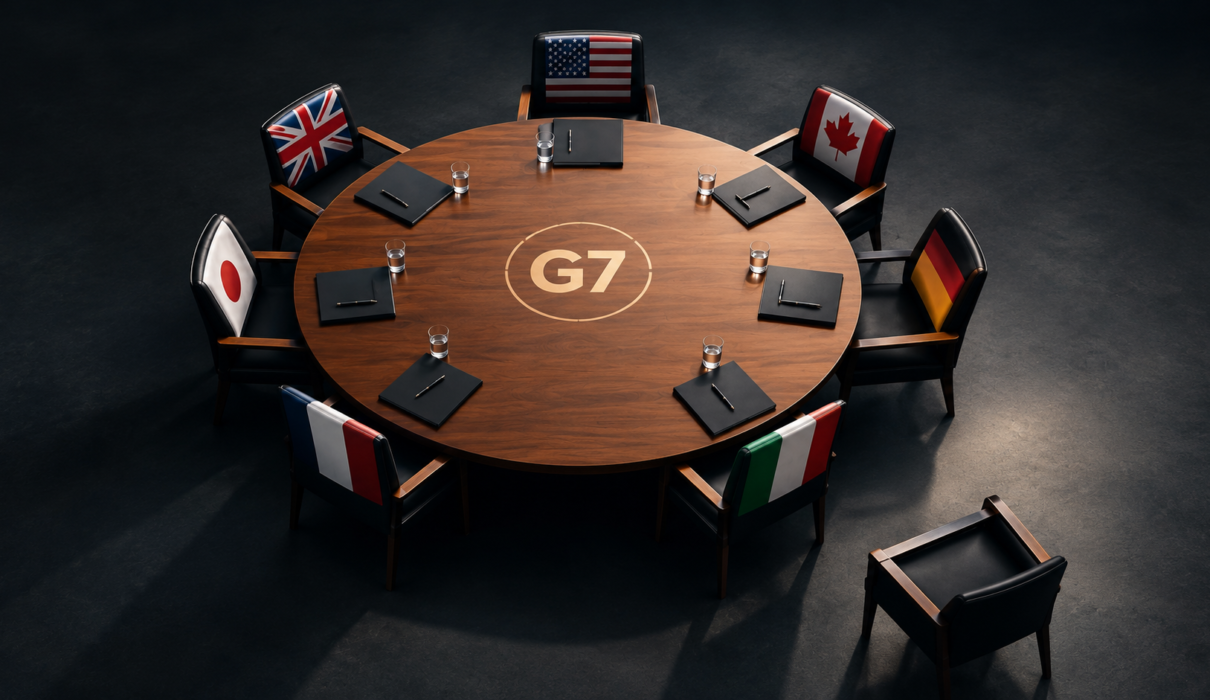
By For eighty years, the G7 countries got to act like the adults at the world’s table. Seven rich democracies — the US, UK, Germany, France, Italy, Japan, and Canada — would meet once a year, issue a communiqué, and the rest of the planet would more or less fall in line. That era is over. Nobody in Évian this June said it in those words, but everyone in the room knew it.
1. What Are the G7 Countries, Really — Just an Economic Club or a Power Bloc?
Here’s the direct answer, since half the people typing “G7 countries” into Google just want the list: Canada, France, Germany, Italy, Japan, the United Kingdom, and the United States, with the European Union sitting in as a non-enumerated member. Together they represent roughly 30% of global GDP and a slice of world population that keeps shrinking every year. That gap — huge economic weight, shrinking demographic and political weight — is the whole story of G7 geopolitics right now.
The G7 was built for a unipolar moment. It’s now trying to run 2026 with a 1975 org chart.
Also Read – G7: Bold Strategies Shaping World Order
2. The 2026 Évian Summit Exposed the Cracks
At June’s summit in Évian, the G7 did what it always does — issued statements on Ukraine, on critical minerals, on migrant smuggling, on drug trafficking, even a first-ever declaration on cancer research. Substantively useful, politically hollow. The leaders welcomed a US-brokered deal with Iran and a fragile reopening of the Strait of Hormuz. They reaffirmed support for Ukraine “through next winter” — a phrase that, six winters into this war, has started to sound less like resolve and more like a rolling deadline nobody wants to name.
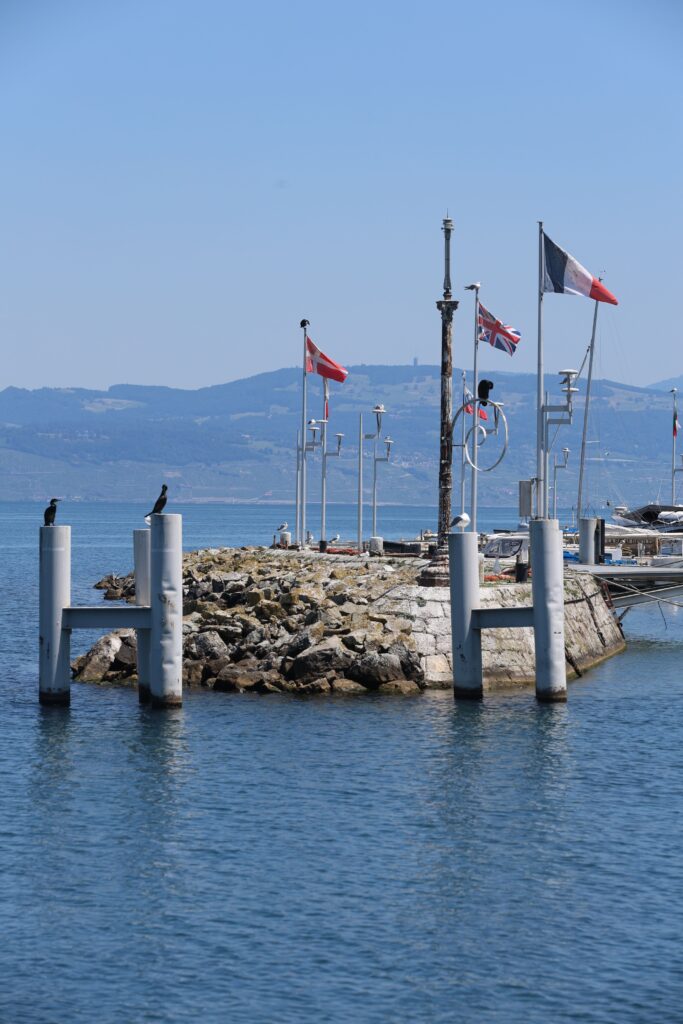
But the real headline was who else was in the building. France invited Brazil, India, Kenya, South Korea, Egypt, Qatar, and the UAE into the Sherpa track. Canada’s Mark Carney had already told Davos, months earlier, that the rules-based order “is fading” and that middle powers “must act together.” When the host country is actively courting the outsiders and a G7 member is publicly conceding the order is cracking, that’s not diplomacy — that’s an admission.
3. The Argument: The G7 Is Now a Symptom, Not a Solution
Here’s the uncomfortable take strategicworld360 readers should sit with: the G7 countries aren’t shaping the multipolar world anymore — they’re reacting to it, one press release at a time.
Look at the substance versus the theater:
- On critical minerals: the G7 issued a joint declaration on securing supply chains, while Chinese firms have spent years quietly locking up mineral assets across Africa and Latin America. A declaration doesn’t out-negotiate five years of acquisitions.
- On Ukraine: support language has gotten firmer, but firmer language after four years of incremental escalation is not the same as decisive capability. Long-range systems and licenses “under consideration” are not deterrence — they’re hedging.
- On global economic imbalances: the G7 explicitly said it would keep working the problem inside the G20, under a US host year. Translation: the G7 admits it can’t fix this alone anymore and needs the room BRICS and the middle powers now occupy.
None of this makes the G7 irrelevant. Convening power is still power. But convening power without enforcement power is a discussion club with better catering.
4. Why This Matters Beyond the Headlines
The danger isn’t that the G7 disappears. It’s that it persists as a brand while the actual decisions migrate elsewhere — to G20 side deals, to bilateral arrangements like the US-Iran agreement, to coalitions of the willing like the France-UK Hormuz initiative that operated outside the G7 framework entirely. When the important work happens beside the summit instead of inside it, the summit becomes theater. And theater is exactly what an eroding order looks like right before it’s replaced.
If you’re trying to read where global power is actually heading in the next decade, watching the G7’s statements is necessary but not sufficient. Watch who they’re inviting to the table instead.
5. Frequently Asked Questions
Which countries are in the G7?
Is the G7 still relevant in 2026?
What was decided at the 2026 G7 Summit in Évian?
What’s the difference between the G7 and the G20?
If this take on the G7 countries and the fraying global order resonated, strategicworld360.com breaks down the geopolitics and geoeconomics behind these headlines every week — subscribe for the analysis before it becomes consensus.
