

 By
By In the waters somewhere beyond Bandar Abbas, an engineer from a tanker is resting in his bunk, having been there for four months too long. His mobile phone has been dead for weeks now. His ship – like many others at anchor in nervous groupings around the Gulf – does not move as movement would mean the risk of getting hit by a mine, a missile or a gunboat’s warning shot. He is not a soldier. He is not a diplomat. He was someone who had hoped to earn enough money to send it back home and watch his children growing up before him, rather than through a video call.
That is what the Strait of Hormuz is really all about. Everything and everyone else – the politicians, the military men, the oil merchants – is merely a side note in that narrative.
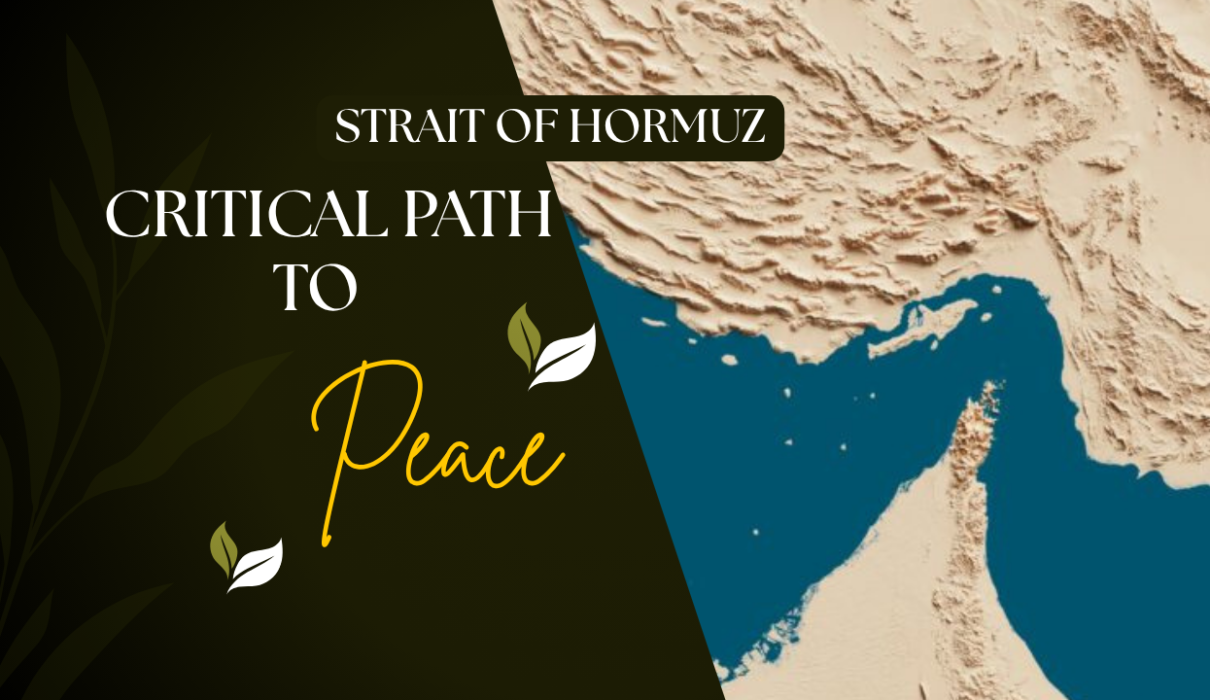
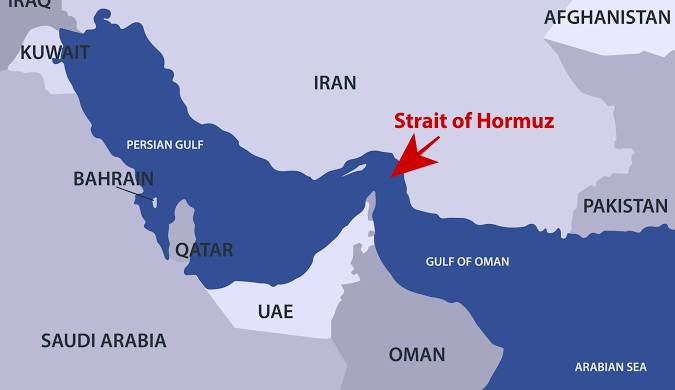
That narrow 21-mile strip of water between Iran and Oman has been for much of 2026 the most costly geographical formation on our planet. It has swallowed ceasefires, sunken warships, raised oil prices and turned a United Nations agency responsible for international shipping into the only grownup left in the room. And it is, right now, the clearest reason I have heard for why peace needs to stop being a mantra and become a mechanism.
1. Twenty-One Miles That Hold the World Hostage…
Let’s be honest about the scale of what we’re talking about. Roughly 20 million barrels of oil and about one-fifth of the world’s liquefied natural gas move through the Strait of Hormuz every single day. At its narrowest, the strait itself is about 21 miles across — but the actual shipping lanes, the ones tankers are legally required to use, are barely two miles wide in each direction, separated by a thin buffer zone.
A. The World’s Narrowest Energy Lifeline
That is the entire margin of error the global energy supply runs on. There is no detour worth the name. Ships that skip it have to sail around the entire African continent, adding weeks and millions of dollars in fuel costs for a single voyage. This one channel is a valve on the global economy, and for most of 2026, someone has had a hand on it.
B. When Hormuz Became a Battlefield
The crisis traces back to February 28, when the United States and Israel launched an air campaign against Iran that included the assassination of Supreme Leader Ali Khamenei. Iran’s response was immediate and unambiguous: it moved to seal the strait. The Revolutionary Guard broadcast warnings over open radio that no ship would be allowed through. Within days it claimed “complete control” of the waterway. Mines went into the water. Merchant vessels got boarded, shot at, and in some cases seized outright.
The tally, as it stands: a tugboat sunk, more than 17 merchant ships damaged, several abandoned by their crews mid-voyage, two vessels captured, and twelve seafarers killed or missing. A port worker in Bahrain died in the crossfire. These aren’t rounding errors in a geopolitical spreadsheet. Every one of those numbers is a family that got a phone call they’ll remember for the rest of their lives.
A ceasefire held for a couple of weeks in early April. It didn’t survive contact with reality. By summer, the U.S. was running a naval blockade against Iranian ports, fighting flared again in July, and by August an Emirati tanker was hit by a missile mid-transit while an oil spill crept toward the beaches of Oman’s Masirah Island. Six months into this, the International Energy Agency is warning that the world is burning through its emergency oil stockpiles just to keep the lights on in places that have nothing to do with this fight. Oil that used to move on autopilot now moves in armed convoys, through a “traffic separation scheme” that’s more military corridor than shipping lane.
C. A Global Chokepoint Turned Pressure Valve
What strikes me most isn’t any single headline — it’s the whiplash. Ceasefire, then blockade. Blockade, then talks. Talks, then a missile hitting a tanker anyway. That pattern isn’t an accident of a messy war; it’s what happens when a critical global asset gets treated as a pressure valve instead of protected infrastructure. Every side has learned it can squeeze the strait to make a point, and every side keeps doing it, because so far nobody has paid a high enough price for squeezing it to stop.
Here’s my honest opinion, and I’m not going to soften it: a waterway this critical should never have been allowed to become anyone’s bargaining chip in the first place. Not Iran’s. Not Washington’s. Not anyone’s. When a strip of ocean can single-handedly decide whether a factory in Bangladesh keeps its lights on, that’s not a regional dispute anymore. That’s a design flaw in how the entire planet fuels itself, and 2026 is the year that flaw finally got exploited to the hilt.
A ceasefire lasted a few weeks in early April. He did not live in relation to the truth. Over the summer, the United States launched a naval blockade of Iranian ports, stopped the blowout once again in July, and spent August hitting an Emirati tanker through a missile in mid-transit, even as an oil spill crept off the coast of Oman’s Masira island, the international agency said later that year. burns through the emergency room o keep the lights on in places that have nothing to do with this war.
Oil, which used to be transported by autonomy, now goes in armed convoys, and through the “Land Visitor Separation Scheme” it is truly an additional naval building from the shipping channel
What drives me the most isn’t a title – it’s the whip. Armistice, then blockade. Blockade, then talk. Talk, so a missile hits the tanker anyway. That pattern is not always a combination of messy struggle; That’s what happens when significant global assets are treated like stress valves rather than blanket infrastructure. Each side has figured out that it can squeeze the pool to score points, and each side will continue to do so, because so far no one has paid enough interest to squeeze to deal with it
Here’s my honest opinion, I won’t soften it now: a waterway that this reviewer had absolutely not presented as any offer in the first area. Not by Iran. Not with Washington. Not with anyone. While the sea line can unequivocally determine whether a manufacturing facility in Bangladesh keeps its lights on, really it is no longer a territorial dispute it is a configuration error in how the whole planet fuels itself, and 2026 is 12 months that the error has finally exploited to.
Also Read – The Memo: Middle East Troubles Are Closing the Walls In on Trump
2.The Human Toll Behind the Barrel Count
Every article about Hormuz leads with barrels, tankers and basic factors. I want to navigate with everyday people this disaster will definitely go down, due to someone paying for every strategic chess move created by a person many miles away from the water.
A. The Sailors Trapped Behind the Blockade
Let’s start with the sailors. At the peak of the blockade, shiploads and hundreds of sailors are stranded comfortably inside the Persian Gulf — not for a terrible weekend now, yet for months Filipino, Indian, Bangladeshi and Egyptian crews form the backbone of the global distribution industry. They share food. They go for a walk in the 100-degree heat and see the gas meters drop at the mills, maintain light fixtures and air conditioners. They see an inexperienced gentleman who gets pulled back in the last 2.
B. When Geopolitical Statistics Become Human Lives
The Bahraini port worker who died in the crossfire deserves an extra passport on the casualty list. He clocked the sail, not the battle. Somewhere, a person has to set up territory on a table outside the shelter. This is what statistics look like once you stop treating them as statistics.
C. The Global Cost Paid by Those With the Least Power
Then it will be all the people in the place who never asked to be a part of this. Oil jumped from $72 a barrel before the war to $118 in late March — a swing that not only crippled traders’ spreadsheets, raised bus fares in Manila, a bag of rice in Lagos, an already incredibly powerful diesel generator powering the city. International places with the smallest cushion absorb the biggest surprises, and in any case, any energy crisis, this is no exception.
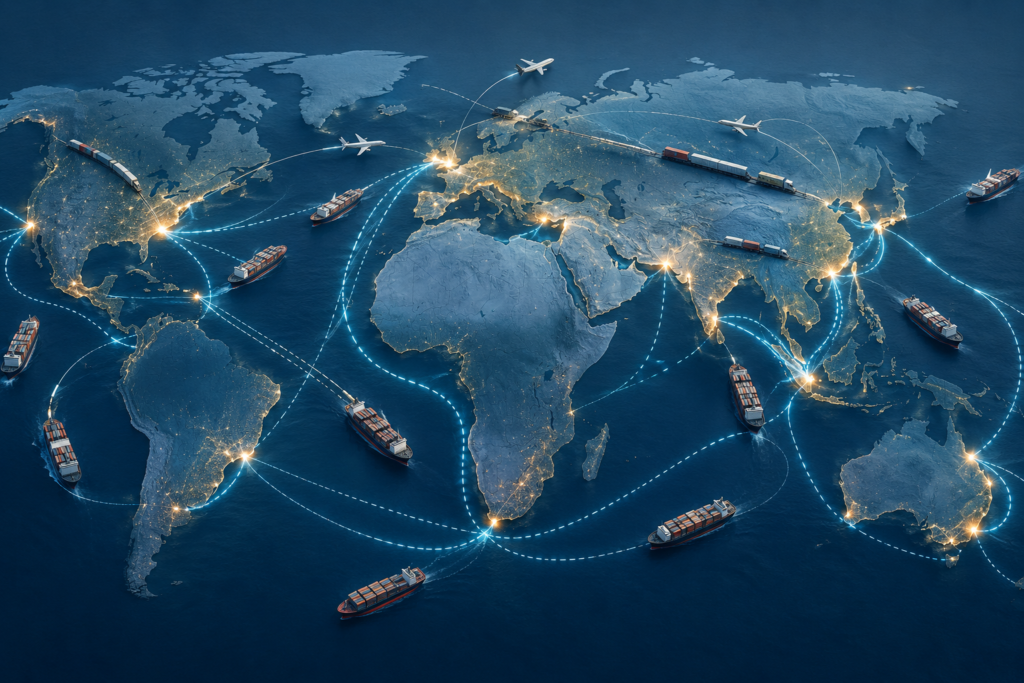
Watch what shock is doing to change style around the world and you will see human charges ripple out in real time. Saudi Arabia diverted thousands and thousands of barrels through the Red Sea and around Africa just to avoid the strait — an expanded, expensive, yet no longer entirely secure solution China has completely backed away from buying oil in the Gulf. Entire distribution chains are quietly rewriting themselves around a body of water that six months ago most people outside the shipping industry could not put on the map.
I defend to come down to this: in this story the humans with the least strength absorb the most damage. Bahraini dock worker who has not returned home. A captain who decides between a risky route and a paycheck. His own family in a rural area, which did not fire at all in this war, now pays three times for cooking on gasoline. Battle counts are held in battle rooms. Bill gets paid many miles in kitchens, docks and cramped team rooms from all that counts.
If the “critical peace path” method is anything to go by, it should start there — by recognizing that the boiling point crisis is never harmed by its creators .
Also Read – 7 Facts About the Russia-Ukraine War
3. Chokepoint Blackmail Is Not Strategy — It’s Self-Sabotage
This is where I ingredient say various comments thumb around: every attempt and weaponization of this pool has been counterproductive, for all the people who have tried it.
A. Iran’s Leverage Becomes a Strategic Liability
Iran’s initiative — sealing the waterway with mines and warnings — was said to be an advertisement of leverage. What it undoubtedly changed was offering a U.S. naval blockade of its individual ports, a sustained economic campaign explicitly classified by the Treasury Secretary as “Operation Economic Outcast,” and a nurturing public scorecard of results .
In one factor, the Treasury secretary revealed that the United States moved 130 million barrels of oil from the site in fourteen days to zero Iran percent — whatever leverage the shutdown of the type turned economic announcement gave Tehran at the negotiating table. It’s a slower-paced counterpoint to the same problem, told in real time on social media to observe the arena.
B. The Toll War Turns Pressure Into Economic Warfare
Then came the tariff war, and here things tipped from tragic to absurd. Iran floated a rate — somewhere in the five to 7 percent variety per barrel — that analysts expected might want to generate close to $20 billion over 12 months, carefully disguised as a “shipping, security, environmental proposal,” not a tariff, perhaps for offshore criminal funds
C. Freedom of Navigation Meets Great-Power Rivalry
The International Maritime Organization was not fooled for a second, blatantly mentioning that there is no basis for guilt in charging mandatory costs for penetrating a global strait, and that it would set a dangerous precedent for choke points everywhere from the Bosphorus to the Strait of Malacca. Greece’s prime minister called the idea “generally unacceptable.” He wasn’t being dramatic. Under the freedom-of-navigation principle that has underpinned maritime law since the mid-20th century, the sea does not belong to whoever happens to be standing on its edge.
And so, almost as if to show that increase is contagious, Washington responded with each other an absurd demand – preferably seek a 20 percent real-price reduction in freight costs in exchange for naval defense, before you declare it-floated, that the Strait itself secures some rebuilt American territory Iraniut draw a de Draw a Irani. When the president of the United States and UN-recognized officials trade barbs about who “owns” international waters, you’ve officially left the realm of conservation policy and entered the realm of turf war. Nobody in that business cares about the tanker crews stuck in the middle of it anyway.
Meanwhile, the reluctant United Nations Security Council resolution to reopen the strait is helping broadly — and has stalled, due to Russia and China’s unwillingness to let it through. Even a discussion board designed to clean up the perfect look of this setup has been reduced to another testament to the same remarkable energy grid we got right here.
And under the toll war sits a criminal order that is more than a century old: Baked into the law of the sea, there are “faultless passage” rules precisely so that no coastal state can turn a common channel into a single toll booth. Iran will not define what it is by calling its tariff a “service charge” as opposed to a fee. This economics is wrapped around the same appeal, and everyone speaking across the table from Tehran knows it.
D. When a Global Lifeline Becomes a Political Weapon
My honest assessment: Nobody involved — not Tehran now, not Washington, not the Gulf states now caught in the crossfire — is actually getting out early and treating Hormuz as leverage. Iran’s economic system is being methodically dismantled. The US and its allies are paying extra money at the pump and burning through strategic reserves. Global shippers are redirecting across the continent. Everyone gets worse off, and each person keeps doing it anyway, because de-escalation first requires someone to blink and acknowledge that a common route isn’t always a mortgage — it’s infrastructure .
4. The Only Way Through Is Together
Peace, in a place like this, is second to none. Signing a two-week ceasefire is not always what everyone expects to go along peacefully — we saw that movie once this year and here real peace is boring, procedural and unglamorous, which is why it works, while brinkmanship does not.
A. Peace Must Become a System, Not a Ceasefire
It starts by restoring a principle that should not have been negotiated at all: harmless consensus, guaranteed under global maritime law, enforced using our bodies neutrally like the IMO instead of unilaterally, as most ships are currently in the water through. No charges masquerading as “service charges”. No posts on social media saying that the pool does not belong to any one state. Iran, the United States, Oman, and the UAE all have interests right here — none of them have the right to turn international collective rights into individual pay booths or satirical trophies.
B. Building a Permanent Framework for Hormuz
Underneath the noise lie signs and symptoms that a number of people perceive it. “Persian Gulf Strait Authority” explains – a framework designed to coordinate access between coastal states and control what military can enact that week – are a kind of structural repair that is sure to hold up over time if it is built as a genuine multilateral mechanism The difference is that it stops fighting from starting again.
That difference makes it extra important than any single title out of this disaster. A truce will ask the depleted side to prevent a takeover for a while. The answer is to ask every stakeholder — who did not fire the shot at all, but still felt every ripple — to agree to terms that live up to the incumbent when they are signed Compensation, rehabilitation, sanctions prevention: all the things that can and should be negotiated. No one shall ever again be a prerequisite for delivering to bypass through worldwide waters, which owns cargo or repair.
C. From Crisis Management to Energy Resilience
In the long run, this disaster may be the warning cry that the world still wants and ignores. Any international economy that can be identified through a 21-mile chasm in knee-deep water is a configuration-flawed financial system, a complete deterrent. Saudi Arabia’s high-priced swimming African round is not always just a solution – it’s a preview of the nature of power diversification, alternative transport corridors, and strategic reserve construction plans every important financial system was investing in years before this crisis, no longer scrabbling towards its center.
Peace is not just that there are no mines in the water. It creates a world in which no single cooling point, no matter how slim, will ever again find protection to allocate gas mortgages to eight billion people.
D. The Real Victory Is Getting the Sailors Home
And somewhere in all that coverage, I come back to the man inside the bunk in Bandar Abbas. The real finish line on the “decisive road to peace” is not treaty titles or stock market talks. It is he who gets a real, dull, uneventful untested spotlight — crossing that stretch without a warning crackling over the radio, without worrying if a modern-day mine exposes his hull, and finally walking somewhere that isn’t always anchored by water.
That’s the whole point. Not everyone “wins” Hormuz. Only every stranded sailor, every rationed relative, every port worker’s child found returned to the international where the strait is just the strait again — no more weapons, no more toll booths, no more flashpoints. Just water, water does what it’s meant to do: bring people along, no longer hold them hostage.
What do you think? Comment Below….
