

 By
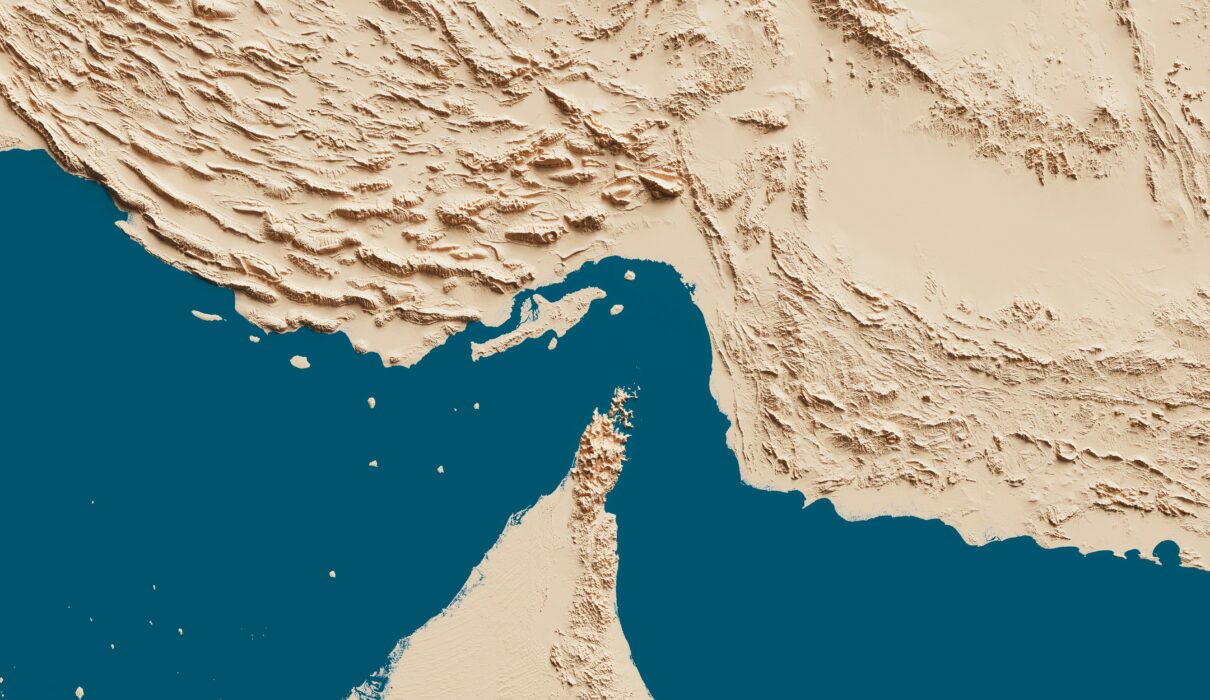
By Six months into a war he insists he can end with a phone call, Donald Trump is discovering that the Middle East does not negotiate on Washington’s clock — and every week the Strait of Hormuz stays choked, the price is measured in barrels, ballots, and battered credibility.
The Middle East conflict that erupted in February 2026 has hardened into the defining test of Trump’s second-term foreign policy. Iran refuses to fully reopen the Strait of Hormuz without major U.S. concessions, Gulf allies are pressing Washington to de-escalate, and oil markets are twitchy again. Trump is caught between a war he can’t easily win and a deal he can’t yet force.
Key takeaways:
- Iran is using Hormuz leverage to extract concessions rather than capitulating outright.
- Oil-market volatility is feeding inflation risk just as Trump needs economic wins.
- Gulf allies, especially Saudi Arabia, are constraining how far Trump can escalate.
- The war is exposing limits to U.S. deterrence, munitions stockpiles, and staying power.
1. Why the Middle East Is Closing In on Trump
Why is the Middle East a problem for Trump? Because he owns it now. Trump promised swift, decisive action against Iran; instead he has alternated between threatening fresh strikes and abruptly canceling them under pressure from Riyadh and Tehran alike. Decision → he authorizes strikes, then pulls back → regional allies read indecision, not strength → adversaries and partners alike recalibrate around unpredictability → domestically, Trump loses the “peace through strength” narrative he built his brand on.
Also Read – Trump Approval Plunges to Alarming New Low
2. Iran Is the Strategic Test
Tehran has learned it doesn’t need to win militarily — it only needs to keep the Strait unstable. Iran’s refusal to fully reopen Hormuz without concessions is itself the strategy: pressure → Gulf shipping stays disrupted → global oil supply stays tight → prices stay elevated → Trump’s inflation-fighting credibility erodes. Iran is economically battered, by Trump’s own account, but a weakened Iran that can still choke a fifth of the world’s oil supply is not a defeated Iran.
Read – Friend and foe: Netanyahu, Iran complicate Trump’s exit from Middle East conflicts
3. Hormuz Is the Economic Pressure Point
Why is the Strait of Hormuz important? It carries roughly a fifth of global oil and a fifth of global LNG. How could the Middle East conflict affect the global economy? Closure → tanker traffic collapses → oil prices spike and stay volatile → shipping, fertilizer, and freight costs rise worldwide → inflation re-accelerates in economies already fatigued by rate hikes, with the sharpest pain falling on import-dependent developing nations.
4. The Political Cost for Trump
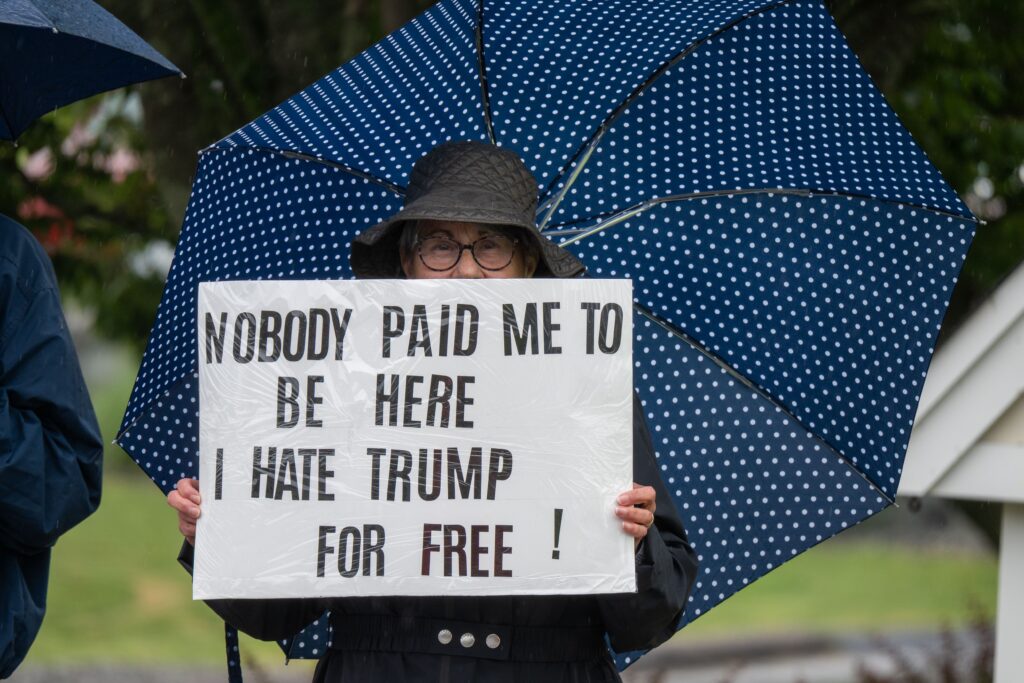
What is the biggest strategic risk for Trump? A war that never officially ends. Every canceled strike reads as restraint to some and weakness to others; every resumed threat risks the “forever war” label he campaigned against. Prolonged conflict → rising gas prices at home → voter frustration → Trump’s approval on the economy erodes → the issue that could most damage his second term isn’t Iran itself, but its bleed into American pocketbooks.
5. The Bigger Geopolitical Consequences
Gulf states are quietly hedging, deepening ties with China and pressing Washington for restraint rather than escalation. That’s the real cost: not just oil prices, but the erosion of assumed U.S. primacy in a region it has dominated for decades.
Also Read – The Rise of a Multipolar World: Global Power Shift Explained
6. Final Verdict
Trump is not gaining leverage — he’s being slowly trapped by a conflict with no clean exit. Economic pressure alone hasn’t forced Iran’s hand, and military pressure risks a war Washington isn’t fully stocked to sustain. Until Hormuz reopens unconditionally, the Middle East will keep setting Trump’s agenda instead of the other way around.
What do you think ? Share your opinion …
About Srittam …
Srittam is a researcher and geopolitical analyst focused on geopolitics, global economy, international relations, and shifting global power dynamics. His work examines how conflicts, economic policies, strategic alliances, trade, energy security, and great-power competition shape the international system. Through clear, evidence-based analysis, Srittam aims to simplify complex global developments and explain what they mean for governments, markets, and ordinary people. His writing combines strategic perspective with a strong interest in the forces reshaping the global order. You can connect with Email – analysis@strategicworld360.com .
