

 By
By In a remote village, a mysterious illness begins to spread, raising fears that many thought belonged to history. As health officials rush to contain the outbreak, the phrase Ebola 2026 starts appearing in headlines across the world.
Memories of past epidemics return, and governments begin assessing the risks to public health, travel, and economic stability. But Ebola 2026 is more than a medical concern—it is a test of global preparedness and international cooperation.
As nations monitor developments closely, Ebola 2026 reminds us how quickly a local health crisis can become a matter of global security.
Here is a detailed analysis on Ebola 2026 ….
1. What Is Ebola?
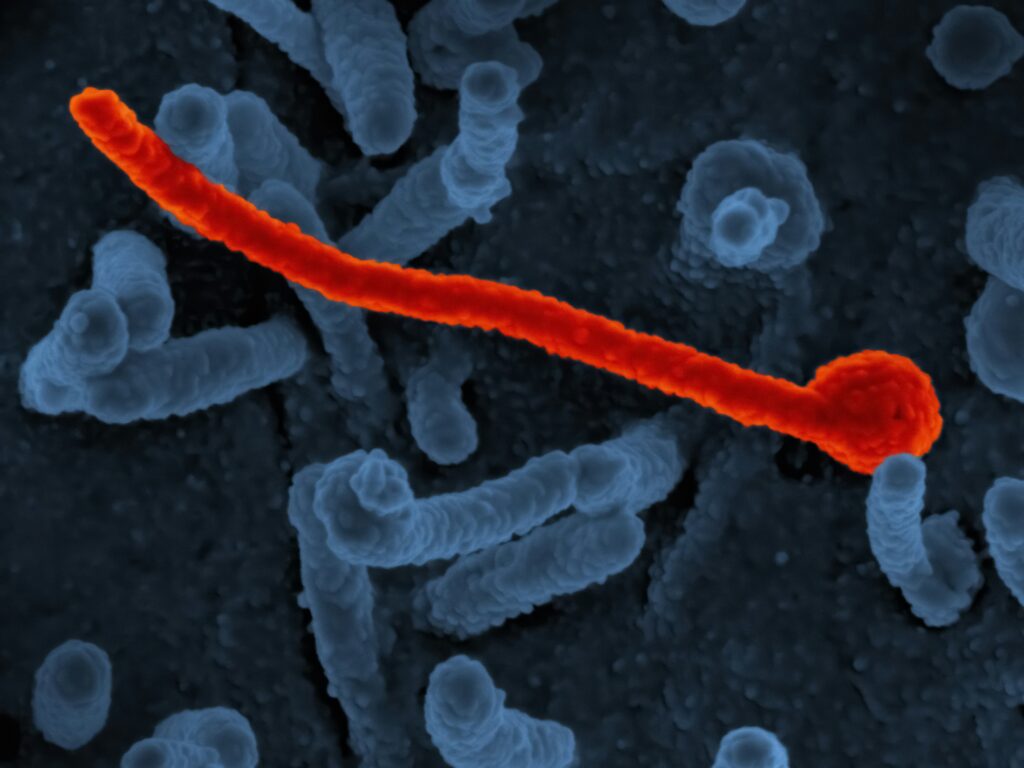
Ebola is a severe and often deadly viral disease that affects humans and other primates. It belongs to the Ebola virus disease (EVD) family and is known for causing outbreaks with high fatality rates.
A. Key Facts About Ebola
- Ebola is caused by infection with the Ebola virus.
- The disease was first identified in 1976.
- Symptoms often begin suddenly and worsen rapidly.
- Fatality rates can vary depending on the outbreak and medical response.
- Early detection and treatment significantly improve survival chances.
B. Common Symptoms
- High fever
- Severe headache
- Muscle pain
- Weakness and fatigue
- Vomiting and diarrhea
- Internal and external bleeding in severe cases
2. Where Is Ebola Found?
Ebola outbreaks have historically occurred in parts of Africa, particularly in regions with tropical forests.
A. Countries That Have Experienced Ebola Outbreaks
- Democratic Republic of the Congo
- Uganda
- Guinea
- Sierra Leone
- Liberia
- Sudan
B. Why Certain Regions Are More Vulnerable
- Limited healthcare infrastructure
- Remote communities with restricted medical access
- Close contact between humans and wildlife
- Challenges in disease surveillance and reporting
C. Global Concern Beyond Africa
Although Ebola outbreaks usually begin in Africa, modern air travel means infected individuals can potentially carry the disease across borders. This makes Ebola a concern for countries worldwide.
3. Who Is Most at Risk?
Understanding who faces the highest risk helps governments and health organizations design effective response strategies.
A. Healthcare Workers
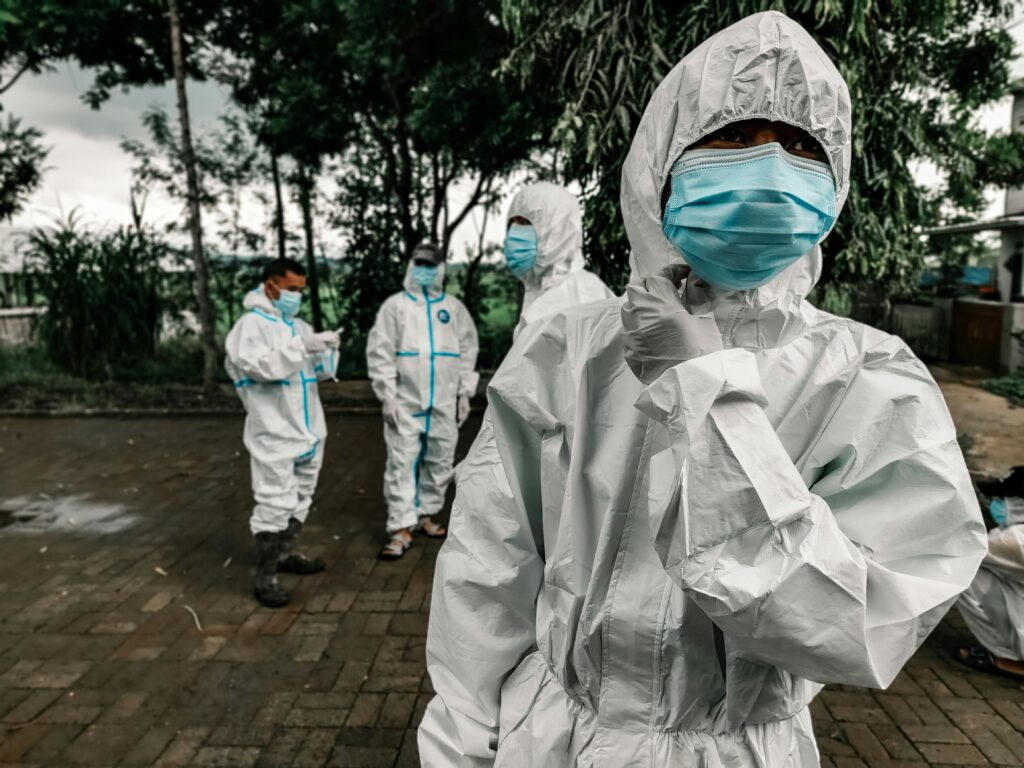
- Doctors and nurses often have direct contact with infected patients.
- Lack of protective equipment increases exposure risks.
B. Family Members and Caregivers
- Close contact with infected individuals can facilitate transmission.
C. Communities Near Outbreak Zones
- Residents in affected regions face the greatest immediate risk.
D. International Aid Workers
- Humanitarian personnel working in outbreak areas may encounter exposure risks.
E. Organizations Fighting Ebola
Several international organizations play a critical role in controlling outbreaks:
- World Health Organization (WHO)
- National health ministries
- Humanitarian aid agencies
- Research institutions
- International disease surveillance networks
4. When Did Ebola Become a Global Concern?
A. Discovery of Ebola
- Ebola was first identified in 1976 near the Ebola River.
- Scientists quickly recognized its deadly potential.
B. Major Historical Outbreaks
2014–2016 West Africa Outbreak
- The largest Ebola outbreak in history.
- Tens of thousands of infections were reported.
- The crisis attracted worldwide attention.
Recent Outbreaks
- Several African nations have reported periodic outbreaks.
- Improved surveillance has helped contain many cases more rapidly.
C. Why Ebola 2026 Matters
The term Ebola 2026 reflects ongoing concerns that future outbreaks could emerge unexpectedly. Public health experts remain vigilant because infectious diseases can evolve and spread rapidly in an interconnected world.
5. How Does Ebola Spread?
Understanding transmission is essential for prevention.
A. Direct Contact
The virus spreads through direct contact with:
- Blood
- Bodily fluids
- Contaminated materials
B. Contact With Infected Animals
Certain wildlife species are believed to play a role in transmitting the virus to humans.
C. Unsafe Burial Practices
Traditional burial ceremonies involving direct contact with the deceased have contributed to transmission during some outbreaks.
D. How Ebola Does Not Spread Easily
- Ebola is not known to spread through casual everyday contact.
- It is generally less contagious than many airborne respiratory diseases.
6. How Can Ebola Be Prevented?
A. Individual Prevention Measures
- Wash hands regularly.
- Avoid contact with infected individuals.
- Follow public health guidance.
- Seek medical attention if symptoms appear.
B. Healthcare System Measures
- Rapid testing and diagnosis.
- Isolation of infected patients.
- Protective equipment for healthcare workers.
- Contact tracing programs.
C. Vaccination Efforts
Recent medical advances have led to vaccines that help reduce the impact of outbreaks. Vaccination campaigns have become an important tool in disease control.
7. How Could Ebola Affect Global Security?
Ebola is not only a health issue; it also has geopolitical implications.
A. Economic Disruptions
- Reduced trade activity.
- Lower investment confidence.
- Increased healthcare spending.
- Pressure on government budgets.
B. Travel and Border Challenges
- Travel restrictions may be imposed.
- Tourism industries can suffer losses.
- Supply chains may experience disruptions.
C. Political and Social Effects
- Public fear can increase.
- Governments face pressure to respond effectively.
- Misinformation can spread rapidly online.
D. National Security Considerations
Many governments now view infectious disease outbreaks as national security challenges because they can affect economic stability, public order, and critical infrastructure.
8. What Lessons Has the World Learned?
A. Importance of Early Detection
The faster an outbreak is identified, the easier it is to contain.
B. Value of International Cooperation
Countries must share information quickly and transparently.
C. Strengthening Healthcare Systems
Investment in hospitals, laboratories, and medical personnel remains essential.
D. Public Awareness Matters
Accurate information helps prevent panic and encourages responsible behavior.
9. Conclusion
Ebola 2026 serves as a reminder that infectious diseases remain a significant challenge in the modern world. While advances in medicine, surveillance, and vaccination have improved humanity’s ability to respond, the threat has not disappeared.
From healthcare preparedness to international cooperation, governments must remain vigilant. Whether viewed as a public health issue or a geopolitical concern, Ebola 2026 highlights the importance of global readiness in an era where local outbreaks can quickly become international challenges.
The ability of nations to work together may ultimately determine how effectively future Ebola outbreaks are contained.
Read – Ebola disease By WHO
