

 By
By Summary
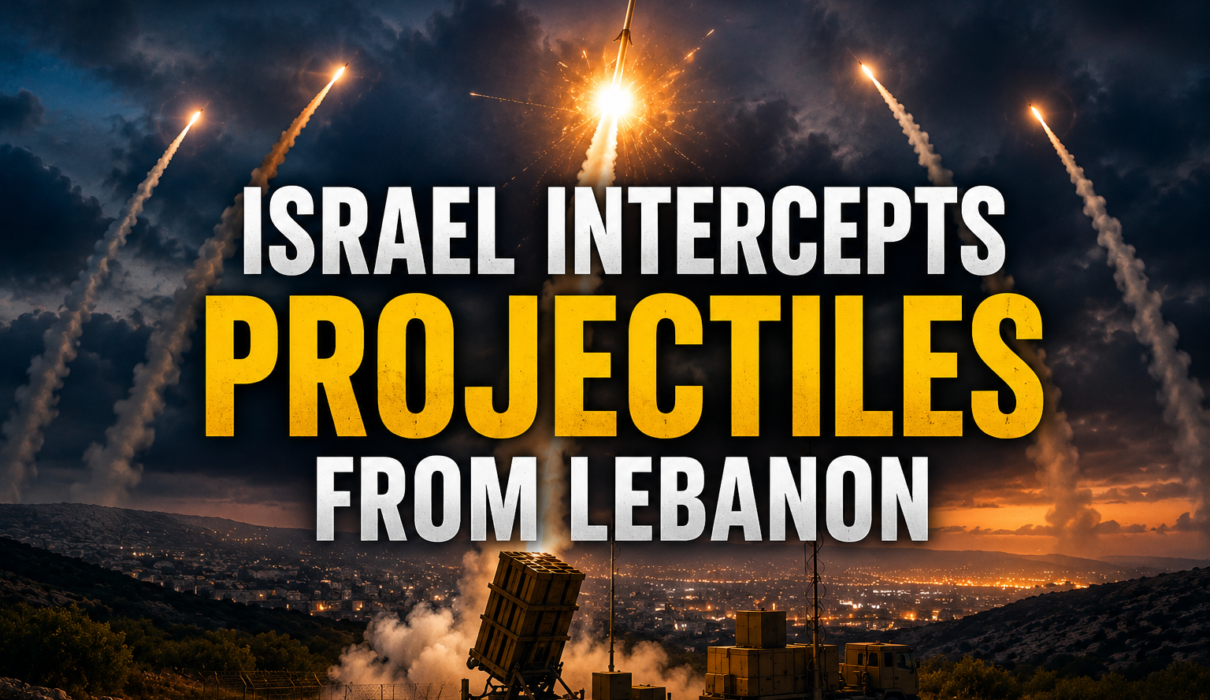
- Israel Intercepts Projectiles from Lebanon .
- The Israeli military said it intercepted two projectiles launched from Lebanon into northern Israel early on June 2, 2026.
- Air raid sirens sounded in several areas of northern Israel at 01:35 local time.
- The Israeli Air Force (IAF) successfully intercepted the projectiles before they caused damage.
- The military also detected a suspicious aerial target that later fell near the Israel-Lebanon border.
- No injuries were reported from the incidents.
1. Introduction
Just hours after world leaders spoke of de-escalation and hopes for peace began to emerge, residents in northern Israel were awakened by the piercing sound of air raid sirens. In the darkness of the early morning, uncertainty returned as projectiles crossed the border from Lebanon, triggering an immediate military response. The incident quickly became a reminder of how fragile stability remains in one of the world’s most volatile regions.
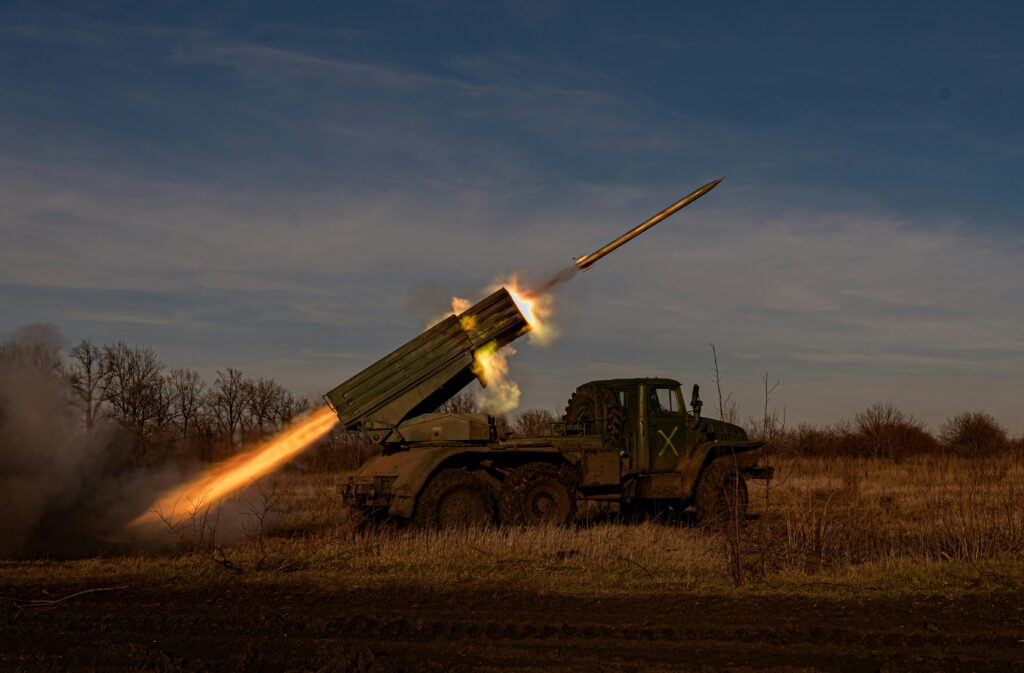
As headlines spread that Israel Intercepts Projectiles from Lebanon, questions resurfaced about the future of the Israel-Hezbollah conflict, the effectiveness of ceasefire efforts, and the growing risk of a wider regional confrontation. While no casualties were reported, the event highlighted how a single cross-border attack can reignite fears, disrupt civilian life, and influence the broader geopolitical landscape of the Middle East. Understanding what happened, where it occurred, and why it matters requires examining both the latest developments and the long history of tensions along the Israel-Lebanon border.
2. What Happened?
According to the Israeli military, air defense systems intercepted two projectiles that crossed from Lebanon into northern Israel during the early hours of June 2. Air raid sirens were activated in several communities, warning residents of a potential threat.
Israeli authorities also reported detecting a suspicious aerial object near the border area. The object eventually fell within Israeli territory, but no casualties or significant damage were reported.
The incident came at a sensitive moment, as diplomatic efforts were underway to reduce tensions between Israel and Hezbollah. The attack raised questions about whether all parties involved were committed to maintaining a ceasefire.
3. Where Did the Incident Occur?
The projectiles were launched from southern Lebanon and crossed into northern Israel, a region that has frequently witnessed cross-border exchanges of fire.
A. Key Areas Involved
- Southern Lebanon: A stronghold of Hezbollah and a frequent flashpoint in regional conflicts.
- Northern Israel: Home to numerous towns and villages that are often affected by security incidents originating across the border.
- Israel-Lebanon Border: One of the most heavily monitored and politically sensitive borders in the Middle East.
Because communities on both sides are located close to the border, even limited military activity can quickly affect civilian populations.
4. How Did Israel Respond?
Israel relied on its advanced air defense systems to intercept the incoming projectiles before they could strike populated areas. These systems are designed to detect and destroy aerial threats in real time.
Following the interception, Israeli military forces increased monitoring activities along the border and assessed the possibility of further attacks.
Military officials emphasized that maintaining border security remains a priority, particularly during periods of heightened regional instability.
5. Understanding the Israel-Hezbollah Conflict
The latest incident cannot be viewed in isolation. It is part of a long-running conflict between Israel and Hezbollah, a Lebanese militant and political organization.
A. Origins of the Conflict
The rivalry dates back to the 1980s, when Hezbollah emerged during the Lebanese Civil War and the Israeli military presence in southern Lebanon.
Over the decades, tensions have been fueled by:
- Border disputes
- Political disagreements
- Regional power struggles
- Support for opposing allies in the Middle East
Both sides have periodically exchanged rocket fire, airstrikes, and military operations.
6. Major Past Attacks and Escalations
A. The 2006 Lebanon War
One of the most significant confrontations occurred in 2006 after Hezbollah captured Israeli soldiers during a cross-border raid.
The conflict lasted more than a month and resulted in:
- Thousands of rocket attacks on northern Israel
- Extensive Israeli air and ground operations in Lebanon
- Significant civilian casualties and infrastructure damage on both sides
The war demonstrated how quickly localized incidents can escalate into major regional conflicts.
B. Border Clashes in Recent Years
Since 2006, the border has experienced periodic escalations.
These incidents have included:
- Rocket launches from Lebanon
- Israeli airstrikes against militant targets
- Drone activity
- Artillery exchanges
Although many confrontations have remained limited, each carries the risk of triggering a wider conflict.
C. Escalations During Regional Crises
Whenever tensions rise involving Iran, Israel, or other regional actors, the Israel-Lebanon border often becomes a focal point.
Analysts frequently view Hezbollah as a key component of broader regional security dynamics, making the border particularly vulnerable during periods of geopolitical uncertainty.
7. Why Is This Incident Important?
The timing of the attack is especially significant.
It occurred shortly after reports that diplomatic efforts were making progress toward reducing violence. Any projectile launch during such negotiations can undermine trust between the parties involved and complicate peace efforts.
The incident also highlights the continuing risk of miscalculation. Even when leaders signal a desire to avoid conflict, actions by military units, militant groups, or other actors can quickly alter the situation on the ground.
Also Read – Four Killed as Ukraine Expands Deep Drone Campaign
8. Impact on Common People
A. Constant Fear and Uncertainty
For civilians living near the border, security alerts and air raid sirens have become a recurring reality.
Families often face:
- Interrupted sleep
- Anxiety about potential attacks
- Concerns for children’s safety
- Psychological stress from repeated emergencies
B. Economic Disruptions
Conflict-related incidents can negatively affect local economies.
Businesses may experience:
- Reduced customer activity
- Temporary closures
- Transportation disruptions
- Declines in tourism
Agricultural communities near the border can also face challenges accessing farmland during periods of heightened security.
C. Education and Daily Life
Schools and public institutions sometimes suspend operations when security threats increase.
Children may experience:
- Interrupted education
- Emotional stress
- Limited outdoor activities
Parents often struggle to maintain normal routines while remaining prepared for emergency situations.
D. Humanitarian Concerns
Communities in both Israel and Lebanon bear the consequences of recurring tensions.
When hostilities escalate, civilians can face:
- Property damage
- Displacement
- Limited access to essential services
- Increased humanitarian needs
Even incidents that cause no casualties can contribute to long-term social and economic hardship.
9. Conclusion
Israel’s interception of projectiles launched from Lebanon serves as a reminder that the Israel-Hezbollah conflict remains unresolved despite ongoing diplomatic efforts. While advanced defense systems prevented casualties in this latest incident, the event underscores the fragility of regional stability.
For residents living near the border, each new attack brings renewed uncertainty and concern. As political leaders pursue negotiations and security measures, the ultimate challenge remains finding a lasting solution that can reduce violence and improve the lives of ordinary people on both sides of the border.
Read – Lebanon announces partial ceasefire between Israel, Hezbollah but attacks continue
(Source – Reuters)
