


 By
By Global stock markets are one of the most important indicators of the world economy. Every day, trillions of dollars move through financial markets across the United States, Europe, Asia, and emerging economies. From technology companies in the United States to manufacturing giants in China and energy firms in the Middle East, stock markets reflect investor confidence, economic growth, and geopolitical tensions.
In 2026, global markets are facing a mix of opportunities and uncertainty. Rising interest rates, geopolitical conflicts, AI-driven technology growth, and changing trade policies are all shaping how markets perform worldwide.
1. What Are Global Stock Markets?
A stock market is a place where investors buy and sell shares of publicly traded companies. Major global stock exchanges influence international finance and economic stability.
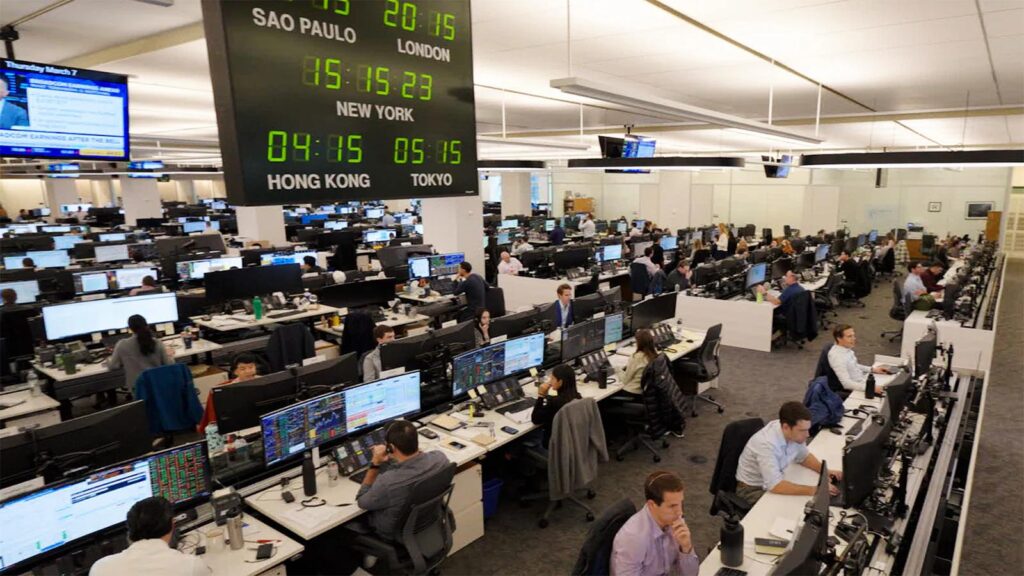
A. Major Global Stock Markets
- S&P 500 – Tracks the performance of the 500 largest U.S. companies.
- NASDAQ Composite – Dominated by technology and AI-related firms.
- Dow Jones Industrial Average – One of the oldest U.S. market indexes.
- FTSE 100 – Represents major British companies.
- Nikkei 225 – Japan’s leading stock index.
- Shanghai Composite – Reflects China’s domestic market performance.
- NIFTY 50 – One of India’s benchmark stock indexes.
2. Why Global Markets Matter
Global stock markets influence:
- Economic growth
- Employment and business investment
- Currency strength
- International trade
- Investor confidence
- Retirement and pension funds
When major markets rise, it often signals optimism about future economic growth. When markets fall sharply, fears of recession, inflation, or geopolitical conflict usually increase.
Watch Markets – click here
3. Key Factors Affecting Global Stock Markets in 2026
A. Interest Rates
Central banks such as the Federal Reserve continue to influence markets through interest rate decisions.
Higher interest rates:
- Increase borrowing costs
- Reduce consumer spending
- Slow business expansion
- Pressure stock valuations
Lower rates generally support market growth.
B. Artificial Intelligence Boom
AI companies continue to dominate global investor attention. Technology stocks linked to semiconductors, cloud computing, and AI infrastructure remain strong market drivers.
Companies involved in:
- AI software
- Data centers
- Semiconductor manufacturing
- Robotics
have attracted significant investment globally.
C. Geopolitical Tensions
Global conflicts and diplomatic tensions can quickly impact stock markets.
Major geopolitical risks include:
- U.S.–China trade competition
- Middle East instability
- Russia–Ukraine conflict
- Taiwan security concerns
Energy prices, defense spending, and supply chains are heavily affected during geopolitical crises.
D. Inflation and Energy Prices
Inflation remains a major concern for investors. Rising oil and gas prices can increase production costs and reduce consumer purchasing power.
Countries heavily dependent on energy imports often face stronger market volatility during energy crises.
4. Best Performing Sectors in Recent Global Markets
A. Technology
AI and semiconductor companies continue leading gains.
B. Defense
Rising geopolitical tensions boosted defense-related stocks.
C. Energy
Oil and gas firms benefited from supply concerns and high prices.
D. Healthcare
Healthcare remains relatively stable during uncertain economic periods.
5.Risks Facing Investors
Global markets also face serious risks:
- Recession fears
- Banking instability
- Debt crises
- Currency volatility
- Trade wars
- Cybersecurity threats
Market corrections can happen suddenly when investor sentiment changes.
6.Emerging Markets to Watch
Several emerging economies are attracting global investors:
A. India
India continues to benefit from:
- Strong economic growth
- Digital expansion
- Manufacturing investments
B. Southeast Asia
Countries like Vietnam and Indonesia are gaining importance in global supply chains.
C. Middle East
Oil wealth and infrastructure investments are transforming Gulf economies.
7. How Beginners Can Understand Stock Markets
For new investors, understanding global markets starts with following:
- Economic news
- Interest rate announcements
- Corporate earnings
- Geopolitical developments
- Major stock indexes
Long-term investing and diversification are generally considered safer approaches than short-term speculation.
| Also Read – INFLATION: The hidden parasite in your pocket |
8. Conclusion
Global stock markets in 2026 are being shaped by technology innovation, geopolitical tensions, inflation pressures, and changing economic policies. While opportunities remain strong in sectors like AI, defense, and energy, risks from global instability continue to create volatility.
For investors and readers interested in geopolitics and economics, stock markets are more than financial systems — they are real-time reflections of global power, confidence, and international competition.
