

 By
By Today, I went out for breakfast and ordered a plate that cost ₹40. Just two years ago, the same plate was priced at ₹20. A 100% increase in such a short time—it was shocking.
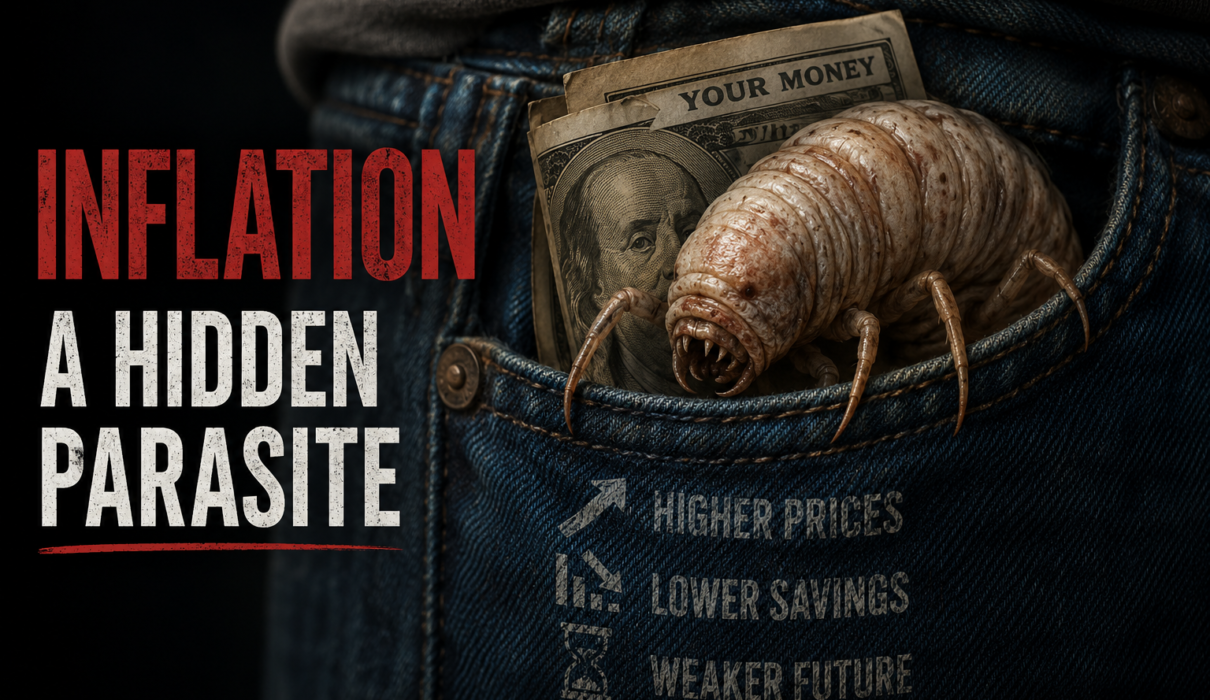
This is inflation in action. Inflation refers to the rise in prices of goods and services over time. It doesn’t hit you all at once; instead, it quietly eats away at your purchasing power, much like a hidden parasite draining your pocket.
For any economy, a moderate level of inflation is considered healthy. Generally, a rate of around 5–7% is seen as ideal for developing countries. As time passes, improvements in infrastructure, services, and wages often justify a gradual rise in prices. Countries like India typically aim to maintain inflation at around 6%.
However, when inflation rises beyond control, it becomes dangerous. Extremely high inflation—often referred to as Hyperinflation—can severely damage an economy. It reduces the value of money rapidly, disrupts savings, and creates instability in everyday life. Instead of supporting growth, it becomes a pathway to economic distress.
Inflation, therefore, is not just an economic term—it is something every individual feels in their daily life. Understanding it is the first step toward protecting your financial well-being.
