

 By
By 1. Introduction
What if the next battle for global influence is not fought with weapons, but with gold? For centuries, gold has been more than a symbol of wealth — it has been a tool of power, stability, and survival.
In today’s uncertain world, nations use gold reserves to protect their economies, strengthen financial independence, and respond to geopolitical challenges.
From wars and sanctions to currency competition and shifting alliances, gold continues to play a silent but powerful role in global affairs. Understanding gold means understanding one of the hidden forces shaping the balance of power in the modern world.
2. Gold as the Ultimate Safe Haven: What Makes It Unique?
A. A Store of Value Across Centuries
Gold has maintained its value for thousands of years, surviving the rise and fall of empires, economic crises, and political changes. Unlike currencies that can lose purchasing power, gold remains a trusted asset during uncertain times.
B. Protection Against Economic Uncertainty
During periods of inflation, financial instability, or market shocks, investors and governments often turn to gold. Its limited supply and global acceptance make it a reliable form of wealth protection.
C. Independence From Any Single Nation
Gold is not controlled by one country, government, or central bank. This makes it different from currencies that depend on national economies and political decisions.
D. A Strategic Asset in Global Politics
Countries hold gold reserves not only for financial reasons but also as a symbol of economic strength. In geopolitical conflicts, gold can provide nations with greater financial flexibility and independence.
E. Trust During Times of Crisis
When confidence in financial systems declines, gold often becomes a symbol of stability. Its physical nature and worldwide recognition keep it important in global economic strategies.
Also Read – Global Stock Markets: Trends, Risks & Opportunities 2026
3. How Geopolitical Tensions Drive Gold Prices Higher
A. Wars and Global Conflicts Increase Uncertainty
When wars or international conflicts emerge, investors often move away from risky assets and look for safer options. Gold becomes attractive because it is seen as a stable store of value during periods of fear and uncertainty.
B. Sanctions and Economic Pressure Boost Demand
Geopolitical disputes can lead to sanctions, trade restrictions, and financial instability. Countries and investors may increase their gold holdings as a way to protect wealth from unpredictable economic conditions.
C. Currency Concerns Push Investors Toward Gold
Tensions between major powers can weaken confidence in currencies and global financial systems. As concerns grow over currency stability, demand for gold often rises because it is viewed as an independent asset.
D. Central Banks Strengthen Gold Reserves
During uncertain geopolitical periods, central banks may increase gold purchases to diversify their reserves. This strategy helps nations reduce dependence on foreign currencies and strengthen financial security.
E. Gold as a Reflection of Global Fear
Gold prices often respond to global anxiety. The more uncertainty exists in international relations, the more investors seek the protection and stability that gold provides.
Also Read – Cyber Security: The Digital Iron Curtain
4. Case Study: The Russia-Ukraine War and Gold’s Surge
The Russia-Ukraine War showed how geopolitical tensions can create major movements in global gold prices. When Russia launched its invasion of Ukraine in February 2022, financial markets faced extreme uncertainty due to fears of war expansion, energy disruptions, and economic sanctions.
At the beginning of 2022, gold was trading around $1,800 per ounce, but as the conflict intensified, prices climbed above $2,000 per ounce in March 2022, reaching one of the highest levels in recent years. Investors moved toward gold as a safe-haven asset while concerns grew over inflation and global instability.
Western sanctions on Russia also increased worries about currency risks and the future of international finance. The war demonstrated that gold is not only a financial asset but also a geopolitical instrument that reflects global uncertainty and shifts in economic power.
5. Middle East Conflict: Gold’s Response to Escalating Warfare
The Middle East has long been a region where geopolitical tensions influence global markets, and gold often reacts strongly to rising uncertainty. After the Israel-Gaza conflict escalated in October 2023, concerns over a wider regional war increased demand for safe-haven assets.
Before the conflict, gold was trading near $1,820 per ounce in early October 2023. As investors worried about regional instability, energy disruptions, and global economic risks, gold prices moved above $2,000 per ounce by December 2023. The situation intensified in 2024, with gold reaching record levels above $2,400 per ounce amid continued geopolitical tensions, inflation concerns, and strong central bank buying.
The conflict showed that gold remains a global indicator of fear and uncertainty. When political risks rise, investors often turn to gold as a protection against instability.
6. Central Banks’ Gold Rush: The Silent Players in Geopolitics
A. Building Financial Security
Central banks purchase gold to strengthen national reserves and protect their economies during uncertain periods. Gold acts as a reliable asset when currencies, markets, and global confidence face pressure.
B. Reducing Dependence on Foreign Currencies
Many nations are increasing their gold holdings to diversify their reserves and reduce excessive dependence on foreign currencies. This reflects a shift in the global financial balance.
C. Gold as a Geopolitical Strategy
Gold reserves provide countries with greater financial independence during conflicts, sanctions, and economic disputes. Holding more gold can strengthen a nation’s position in international affairs.
D. Shield Against Global Crises
Inflation, wars, and financial instability often push central banks toward gold. Unlike currencies, gold is not directly controlled by any single government, making it a strategic safe-haven asset.
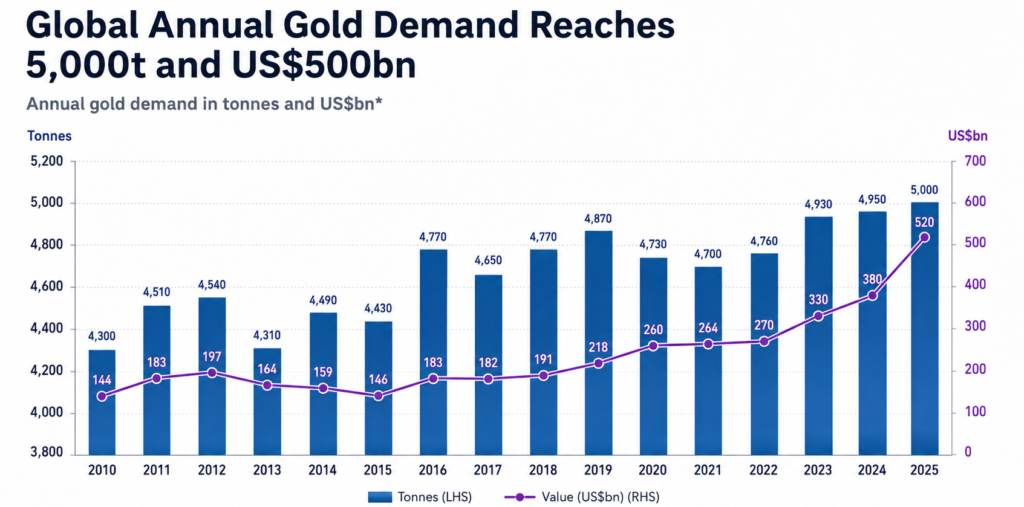
E. Rising Gold Purchases Worldwide
Central banks have increased gold buying in recent years as they prepare for economic uncertainty and changing geopolitical conditions. This trend highlights gold’s growing importance in global power competition.
7. BRICS and Gold: Challenging U.S. Dollar Dominance
A. The Rise of BRICS and the Dollar Challenge
BRICS (Brazil, Russia, India, China, and South Africa, along with new members) has increasingly focused on reducing dependence on the U.S. dollar. The group represents a large share of the world’s population, resources, and economic activity. As geopolitical tensions rise, some BRICS nations are exploring alternative payment systems and greater use of local currencies in trade.
B. Gold as a Strategic Reserve Asset
Gold has become an important tool in this shift. Several BRICS countries have increased their gold reserves to strengthen financial security and reduce exposure to dollar-based systems. Unlike fiat currencies, gold is not controlled by any single government, making it attractive as a neutral store of value during global uncertainty.
C. De-Dollarization Through Trade and Finance
BRICS discussions around alternative financial arrangements have raised questions about the future role of the dollar. While the U.S. currency remains dominant in global trade and reserves, increased gold accumulation and local currency settlements show a gradual attempt to diversify the international financial system.
D. The Future of Global Currency Power
BRICS and gold are unlikely to replace the dollar immediately, but they represent a growing challenge to its long-standing dominance. The future may move toward a more multipolar financial system where several currencies and assets share global influence.
8. Trump’s Presidency, Tariffs, and Their Impact on Gold
A. Trade Policies and Market Uncertainty
During Donald Trump’s presidency, tariff policies created uncertainty in global markets. Increased trade tensions, especially with major economies, affected investor confidence and encouraged demand for safe-haven assets like gold.

B. Tariffs and Inflation Concerns
Higher tariffs can increase the cost of imported goods, creating inflationary pressure. When investors expect inflation or economic instability, gold often becomes more attractive as a store of value.
C. Dollar Movements and Gold Prices
Trump-era policies influenced expectations around the U.S. dollar and interest rates. A weaker dollar generally supports higher gold prices because gold becomes cheaper for holders of other currencies.
D. Geopolitical and Economic Risks
Trade conflicts and diplomatic tensions increased concerns about global stability. These risks contributed to stronger demand for gold among investors and central banks.
E. Long-Term Impact
Trump’s tariffs highlighted how political decisions can influence financial markets. Gold’s role as a hedge against uncertainty remained important during periods of economic and geopolitical change.
9. Gold in 2026: What Investors Should Expect Amid Global Uncertainty
A. Safe-Haven Demand
Gold may continue attracting investors in 2026 as global uncertainty, geopolitical tensions, and economic risks increase demand for safe-haven assets.
B. Central Bank Gold Buying
Central banks are expected to maintain interest in gold reserves to strengthen financial stability and reduce reliance on traditional currencies.
C. Inflation and Interest Rates
Future gold prices will depend on inflation trends and interest rate decisions. Lower rates could support gold demand, while higher rates may create pressure.
D. Dollar and Global Currency Trends
Changes in U.S. dollar strength and growing discussions around diversification of reserves may influence gold’s position in the global financial system.
E. Investor Outlook
Gold may remain a valuable diversification asset in 2026. While price movements can be unpredictable, its role as protection during uncertainty is likely to continue.
10. Practical Guide: How to Invest in Gold During Geopolitical Crisis
A. Understand Why Gold Matters During Crises
During geopolitical crises, investors often look for assets that can protect wealth. Gold has historically been considered a safe-haven asset because it is not directly controlled by any government and tends to hold value during periods of uncertainty, inflation, and market instability.
B. Choose the Right Form of Gold Investment
Investors can gain exposure to gold through different methods. Physical gold, such as coins and bars, provides direct ownership but requires secure storage. Gold exchange-traded funds (ETFs) offer easier buying and selling without holding physical metal. Gold-related stocks can provide exposure but may carry company-specific risks.
C. Avoid Emotional Buying Decisions
Geopolitical events can cause sudden gold price movements. Investors should avoid rushing into purchases after sharp price increases. A planned approach, such as investing gradually over time, can help reduce the risk of buying at market peaks.
D. Balance Gold With Other Assets
Gold can strengthen a portfolio, but relying only on gold may limit growth opportunities. A balanced strategy may include a mix of equities, bonds, cash, and other assets depending on financial goals and risk tolerance.
E. Monitor Global Trends
Successful gold investing requires attention to major factors such as central bank policies, inflation, interest rates, currency movements, and international conflicts. Understanding these drivers helps investors make informed decisions during uncertain periods.
Gold can act as a financial shield, but disciplined planning remains essential for long-term success.
11. Conclusion: Gold’s enduring Strategic Power in a Fragmented World
In my view, gold’s importance is growing as the world becomes more divided by geopolitical tensions, economic competition, and changing global alliances. It is no longer just a precious metal used for investment or jewellery; it has become a strategic asset for governments, central banks, and investors.
The rise of BRICS, increasing central bank gold purchases, currency concerns, and global conflicts show that countries are looking for financial security beyond traditional systems. Gold provides a sense of stability because it is not controlled by a single nation and has maintained value through history.
However, I believe gold will not completely replace the U.S. dollar or become the only global reserve asset. Instead, the future may bring a more balanced financial system where gold plays a bigger role alongside major currencies.
In a fragmented world, gold’s real power comes from trust. When uncertainty rises, people and institutions often return to an asset that has survived centuries of political and economic change. Its strategic importance is likely to remain strong in the years ahead.
( Source – World Gold Council )
