

 By
By For months, the skies above the Israel-Lebanon border echoed with the sounds of sirens, missile interceptions, and growing uncertainty. Families on both sides lived with the fear that the next strike could change their lives forever. Villages emptied, businesses struggled, and hopes for peace seemed increasingly distant.
Then came a moment few expected—a ceasefire agreement that offered a rare glimpse of calm in a region long defined by conflict. While challenges remain and tensions have not completely disappeared, the ceasefire has created an opportunity for diplomacy to replace violence and for communities to begin rebuilding their lives.
But what exactly does this ceasefire mean? How was it reached, why did both sides agree to it, and can it bring lasting stability to the Israel-Lebanon border? Understanding the answers requires looking at the events that led to the agreement and the challenges that still lie ahead.
1. What Is the Israel-Lebanon Ceasefire?
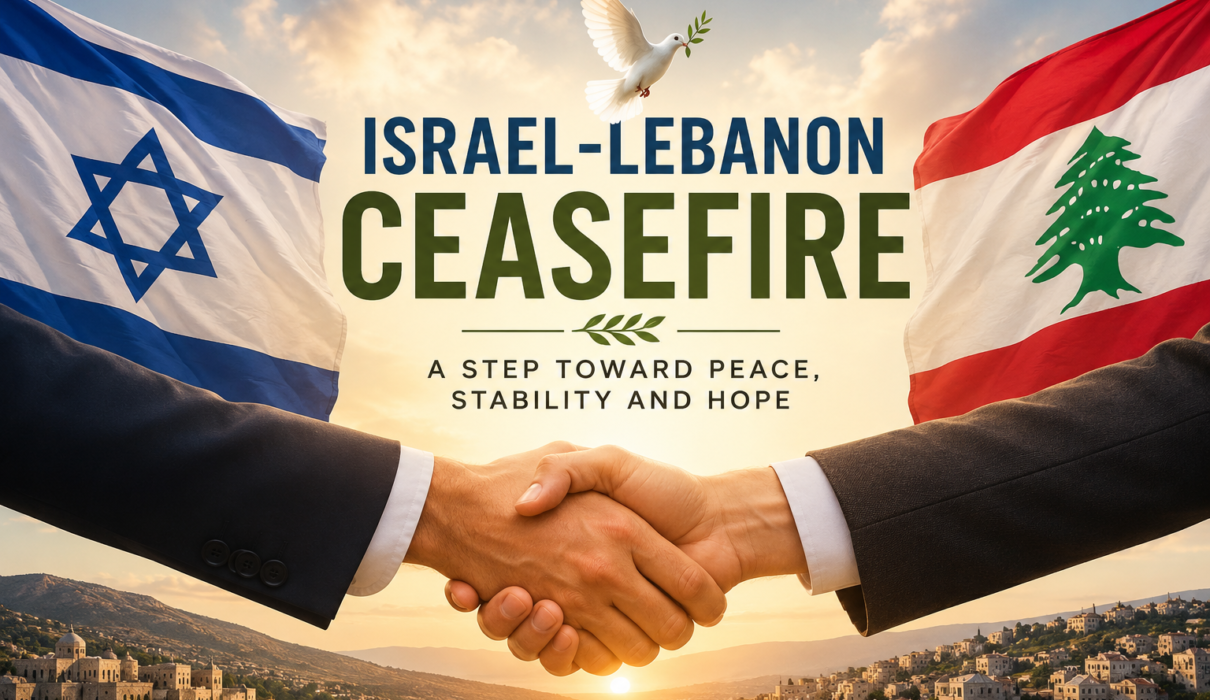
A ceasefire is an agreement between opposing sides to stop military actions and reduce hostilities. In the case of Israel and Lebanon, the ceasefire aims to halt cross-border attacks, missile launches, drone operations, and other military activities that have fueled tensions in recent months.
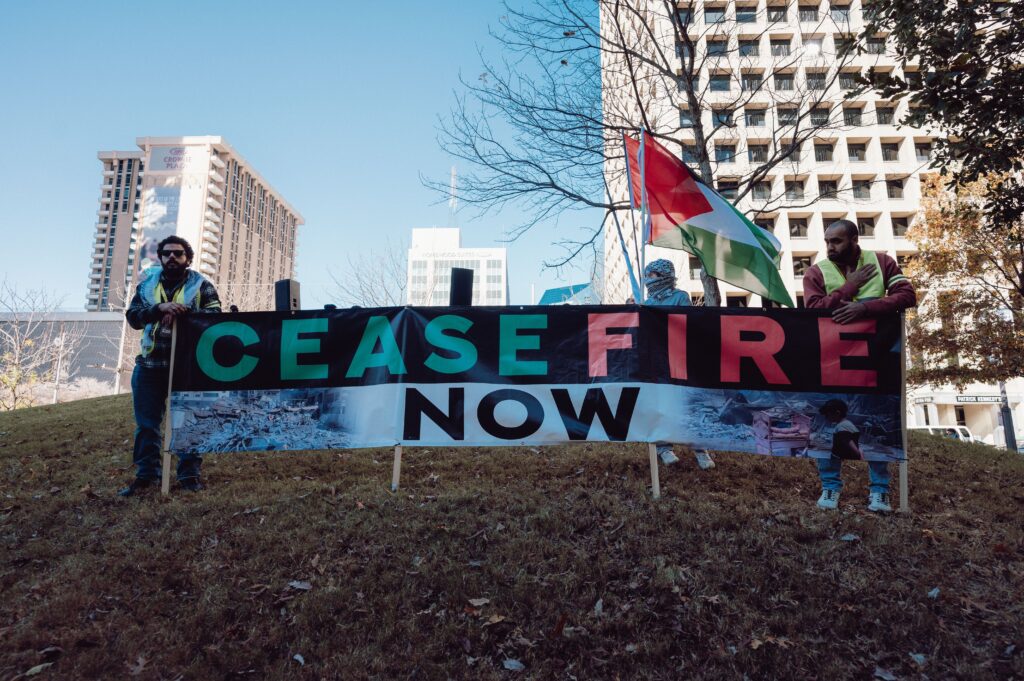
The agreement is designed to create a period of calm and prevent further escalation. It is not a final peace treaty but rather a temporary arrangement that can help build confidence between the parties involved.
The ceasefire focuses on several key objectives:
- Stopping active military operations.
- Protecting civilian populations.
- Reducing the risk of a wider regional conflict.
- Supporting diplomatic engagement.
- Creating conditions for long-term stability.
By achieving these goals, the ceasefire seeks to prevent additional loss of life and reduce the humanitarian impact of the conflict.
2. When Was the Ceasefire Reached?
The latest ceasefire agreement was announced in June 2026 after extensive diplomatic discussions involving regional and international actors.
The agreement follows months of heightened tensions that saw repeated exchanges of fire across the border. During this period, both sides experienced security incidents that raised concerns about the possibility of a larger war.
The timeline leading to the ceasefire included:
- Increased military activity along the border.
- Missile and drone attacks.
- Retaliatory military strikes.
- International mediation efforts.
- Diplomatic negotiations aimed at reducing tensions.
The ceasefire emerged as a response to growing fears that continued hostilities could destabilize not only Israel and Lebanon but also the wider Middle East.
Also Read – Israel Intercepts Projectiles from Lebanon Amid Tensions
3. Where Have the Tensions Been Most Severe?
The conflict has primarily affected communities located near the border between Israel and Lebanon.
A. Northern Israel
Residents in northern Israeli towns have faced repeated security alerts and disruptions caused by missile threats and military operations. Some communities experienced temporary evacuations and restrictions on daily activities.
B. Southern Lebanon
Southern Lebanon has been heavily impacted by military actions and security concerns. Many residents have faced displacement, property damage, and interruptions to essential services.
C. Border Areas
The border region itself has become a focal point of military activity. Due to its strategic importance, the area has witnessed heightened security measures and frequent incidents that have increased tensions.
For civilians living in these regions, the conflict has affected nearly every aspect of daily life, from education and healthcare to employment and transportation.
4. Who Is Involved in the Ceasefire?
Several important actors play a role in the ceasefire agreement.
A. Israel
Israel seeks to improve security conditions along its northern border and prevent attacks originating from Lebanese territory. The government views border stability as essential for protecting its citizens and maintaining regional security.
B. Lebanon
Lebanon aims to restore stability within its territory and reduce the impact of conflict on its population. The country faces significant economic and political challenges, making security improvements especially important.
C. Hezbollah
As one of the most influential armed groups in Lebanon, Hezbollah plays a major role in developments along the border. Its actions can significantly affect the success or failure of ceasefire arrangements.
D. International Mediators
Several international actors have worked behind the scenes to facilitate negotiations and encourage restraint. Diplomatic efforts from global and regional powers were instrumental in bringing both sides toward an agreement.
5. Why Was the Ceasefire Necessary?
The need for a ceasefire became increasingly clear as tensions continued to rise.
A. Humanitarian Concerns
One of the most important reasons was the impact on civilians. Prolonged conflict created hardships for families, displaced residents from their homes, and increased concerns about public safety.
B. Economic Consequences
Both Israel and Lebanon faced economic disruptions resulting from ongoing instability. Tourism, trade, local businesses, and investment were all affected by security concerns.
C. Preventing Regional Escalation
Many observers feared that continued fighting could expand beyond the immediate border region and involve additional countries or armed groups. Such a scenario could have serious consequences for regional stability.
D. Diplomatic Pressure
International leaders encouraged all parties to pursue diplomatic solutions rather than military escalation. The ceasefire reflects the growing recognition that dialogue offers a better path forward than continued violence.
6. How Will the Ceasefire Work?
Although specific implementation details may evolve, the ceasefire generally includes several important components.
A. Halt to Military Operations
Both sides are expected to reduce or stop military activities that could trigger further escalation.
B. Enhanced Security Measures
Additional monitoring and coordination mechanisms may help reduce misunderstandings and prevent accidental clashes.
C. Support for Civilian Protection
Efforts will likely focus on minimizing risks to civilian populations and enabling displaced residents to return home safely.
D. Diplomatic Communication
Maintaining open communication channels is essential for addressing incidents quickly and preventing tensions from escalating.
The effectiveness of these measures will depend largely on the willingness of all parties to respect the terms of the agreement.
7. What Challenges Could Threaten the Ceasefire?
Despite positive developments, the ceasefire faces several obstacles.
A. Potential Violations
Even small incidents can undermine trust and create new tensions. Maintaining discipline among all parties will be critical.
B. Political Disagreements
Long-standing political and security disputes remain unresolved. These issues could complicate efforts to maintain calm.
C. Regional Factors
Developments elsewhere in the Middle East could influence the situation along the Israel-Lebanon border.
D. Public Expectations
Many people hope the ceasefire will bring immediate improvements. If progress is slower than expected, frustration could increase.
These challenges highlight why ceasefires often require continuous diplomatic support and careful monitoring.
Read – Israel and Lebanon agree to implementation of ceasefire
8. What Does the Ceasefire Mean for Ordinary People?
For civilians, the ceasefire offers several potential benefits.
A. Increased Safety
Reduced military activity lowers the immediate threat to communities near the border.
B. Return of Displaced Families
Many families who left their homes due to security concerns may have an opportunity to return.
C. Economic Recovery
Businesses can begin rebuilding, and economic activity may gradually resume.
D. Improved Daily Life
Schools, healthcare facilities, and public services can operate more effectively in a more stable environment.
For many residents, these improvements represent the most meaningful measure of whether the ceasefire succeeds.
Conclusion: A Chance for Stability
The Israel-Lebanon ceasefire represents an important diplomatic achievement at a time of significant regional uncertainty. While it does not eliminate the deep-rooted issues that have contributed to decades of conflict, it creates an opportunity to reduce violence and prioritize dialogue.
The coming months will determine whether this ceasefire becomes a temporary pause or a foundation for longer-term stability. If all parties remain committed to the agreement, it could help improve security, support economic recovery, and offer renewed hope to communities that have endured years of tension and uncertainty.
(Source – Reuters)
