

 By
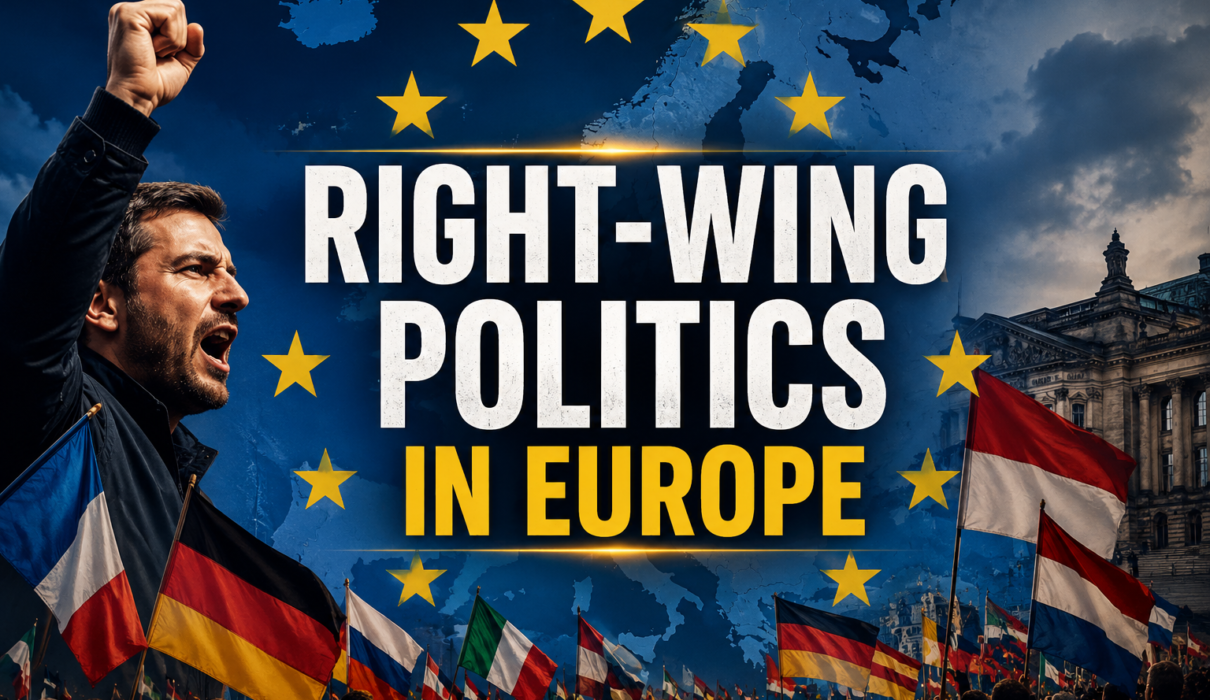
By A decade ago, few imagined that Right-Wing Politics would become one of the most powerful forces shaping Europe. Yet today, from election rallies to parliamentary debates, Right-Wing Politics is influencing discussions on immigration, national identity, security, and economic policy.
As voters search for answers to rising living costs and social change, support for Right-Wing Politics continues to grow across the continent. But what is driving this political shift, and what could it mean for Europe’s future? Understanding the rise of Right-Wing Politics is essential to understanding the new Europe emerging before our eyes.
1. What Is Right-Wing Politics?
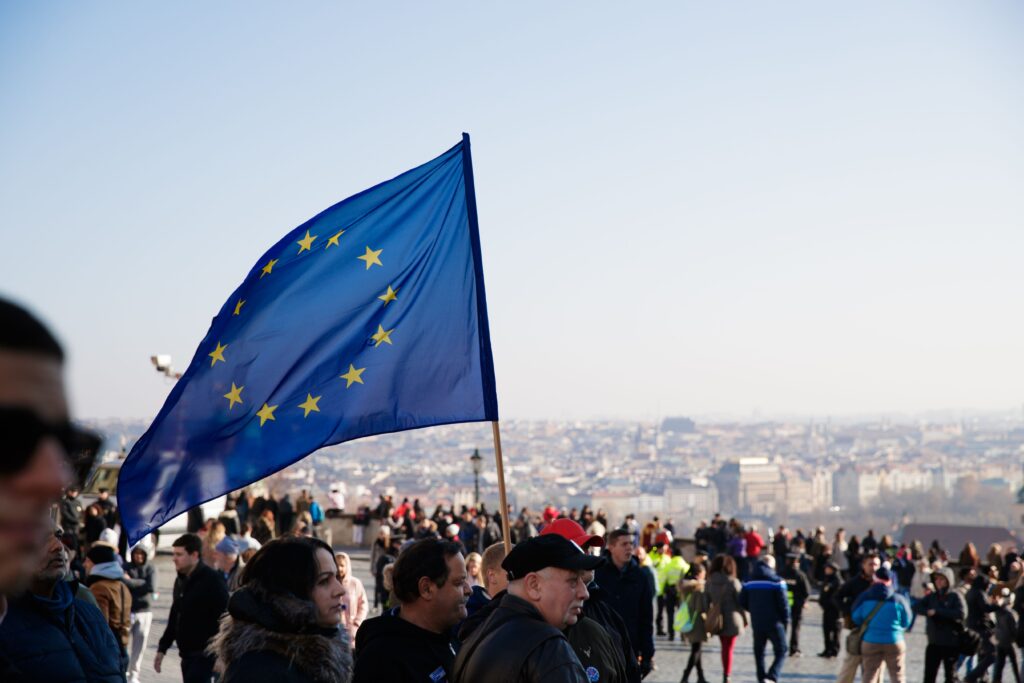
Right-wing politics generally refers to political ideologies that emphasize tradition, national identity, law and order, individual responsibility, and limited government intervention in certain areas of society.
In Europe, modern right-wing parties often focus on:
- Stronger border controls
- Reduced immigration
- Protection of national culture and traditions
- Greater national sovereignty
- Economic policies that prioritize domestic industries
- Tougher security measures
It is important to note that right-wing parties are not identical. Some are conservative and mainstream, while others are nationalist or populist in nature.
2. When Did Right-Wing Politics Begin Rising in Europe?
Although right-wing political traditions have existed for centuries, the recent surge began after several major events during the 21st century.
A. The Global Financial Crisis (2008)
The economic crisis created widespread dissatisfaction with traditional political parties. Many voters felt that governments and financial institutions had failed to protect ordinary citizens.
B. The European Migration Crisis (2015)
The arrival of large numbers of refugees and migrants from the Middle East, Africa, and Asia intensified debates over border security, integration, and national identity.
C. Brexit (2016)
The United Kingdom’s decision to leave the European Union demonstrated the growing influence of sovereignty-focused political movements and encouraged similar debates across Europe.
D. COVID-19 and Economic Challenges
The pandemic, followed by inflation and rising energy prices, increased concerns about economic security and government effectiveness.
3. Why Is Right-Wing Politics Becoming More Popular?
Several factors explain the growing support for right-wing political parties.
A. Immigration Concerns
Many voters believe that rapid migration has increased pressure on housing, healthcare, education, and social services. Right-wing parties often advocate stricter immigration policies and stronger border controls.
B. Economic Anxiety
Rising living costs, inflation, unemployment concerns, and economic uncertainty have pushed some voters toward parties that promise economic protection and domestic investment.
C. National Identity
Many citizens worry that globalization and multiculturalism may weaken traditional cultural values and national identities. Right-wing parties often position themselves as defenders of national heritage.
D. Dissatisfaction with Political Elites
A growing number of Europeans feel disconnected from established political institutions. Right-wing movements frequently present themselves as alternatives to traditional political elites.
E. Security Concerns
Terrorism, organized crime, and border management issues have made security a central political issue in many countries.
4. How Are Right-Wing Parties Changing European Politics?
The rise of right-wing politics has already influenced government policies and public debates.
A. Tougher Immigration Policies
Many governments have introduced stricter border controls, revised asylum procedures, and increased efforts to reduce illegal migration.
B. Greater Focus on National Interests
Political leaders are increasingly emphasizing domestic priorities, including economic competitiveness and energy security.
C. Changes in European Union Debates
Right-wing parties often advocate giving national governments more authority relative to European institutions. This has sparked debates about the future direction of the European Union.
D. Increased Political Competition
The success of right-wing parties has forced traditional center-left and center-right parties to reconsider their policies and strategies.
5. What Are the Effects of Right-Wing Politics?
The impact of right-wing politics can be viewed from both positive and negative perspectives.

A. Positive Effects According to Supporters
Supporters argue that right-wing politics:
- Strengthens border security
- Protects national sovereignty
- Preserves cultural traditions
- Encourages economic self-reliance
- Responds to concerns often ignored by mainstream parties
B. Concerns Raised by Critics
Critics argue that right-wing politics may:
- Increase political polarization
- Create social divisions
- Reduce cooperation within Europe
- Lead to stricter policies affecting migrants and minorities
- Challenge long-standing international agreements
The actual impact varies significantly depending on the country and the specific policies implemented.
6. What Is the Future of Right-Wing Politics in Europe?
The future of right-wing politics will depend on several key factors.
A. Economic Conditions
If inflation, unemployment, or living costs remain high, right-wing parties may continue gaining support.
B. Migration Trends
Immigration is likely to remain one of the most influential political issues across Europe.
C. European Union Reforms
Future debates about sovereignty, defense, trade, and regulation could strengthen parties advocating national control.
D. Security Challenges
Geopolitical tensions, cyber threats, and border security concerns may further increase demand for tougher policies.
E. Demographic and Social Changes
Younger generations, changing demographics, and evolving cultural attitudes will shape future political preferences.
Many analysts believe right-wing politics will remain an important force in Europe even if it does not dominate every government. Instead, it may continue influencing policy discussions across the political spectrum.
7. Conclusion
The rise of right-wing politics in Europe reflects deeper concerns about immigration, economic security, national identity, and trust in political institutions. While supporters see these movements as defenders of sovereignty and stability, critics warn about potential social and political divisions.
Regardless of perspective, right-wing politics has become a defining feature of modern European politics. Its influence is likely to continue shaping elections, government policies, and the future of European integration for years to come. Understanding why this movement has grown is essential for understanding the challenges and opportunities facing Europe in the twenty-first century.
Read – Europe and right-wing nationalism: A country-by-country guide
