

 By
By Imagine waking up one morning to the sound of air raid sirens instead of alarm clocks. Roads are crowded with families trying to leave their homes, supermarkets are packed, and news channels across the world are broadcasting the same breaking story. That was the reality for millions of Ukrainians on February 24, 2022, when Russia launched its full-scale invasion of Ukraine in the peak of Russia-Ukraine War.
What began as a conflict between two neighboring countries quickly became a global story. Oil prices surged, food supplies were disrupted, military alliances were tested, and world leaders rushed into emergency meetings. Even people living thousands of kilometers away felt the impact through higher prices and growing geopolitical tensions.
But how did it reach this point? Why did the war start? Who is involved? And why does this conflict matter to the rest of the world?
In this article, we’ll break down the Russia-Ukraine War in a simple and easy-to-understand way by answering the five key questions: What, Who, Why, When, and How.
1. What Is the Russia-Ukraine War?
The Russia-Ukraine War is an ongoing military conflict between Russia and Ukraine.
A. Key Facts
- Russia launched a full-scale invasion of Ukraine on February 24, 2022.
- The conflict is an escalation of tensions that began years earlier.
- The war includes ground battles, missile strikes, drone attacks, and cyber warfare.
- Millions of Ukrainians have been forced to leave their homes.
- It is considered the largest military conflict in Europe since World War II.
- The war has drawn worldwide attention because of its impact on international security and global markets.
The conflict continues to evolve, with both sides fighting for strategic territories and political objectives.
Also Read – Iran vs US: Why the World Fears a Bigger War
2. Who Is Involved in Russia-Ukraine War?
Several countries and organizations are connected to the conflict, but the main parties are Russia and Ukraine.
A. Russia
- Led by President Vladimir Putin.
- Possesses one of the world’s largest military forces.
- States that its actions are linked to national security concerns.
- Controls certain territories claimed by Ukraine.
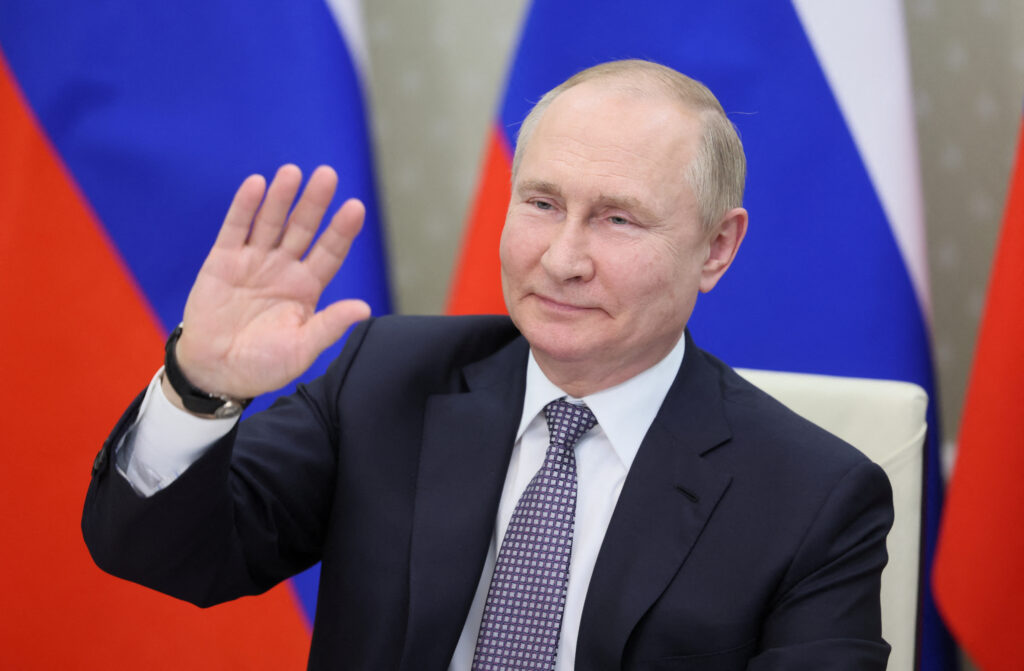
(Photo Credit : Reuters)
B. Ukraine
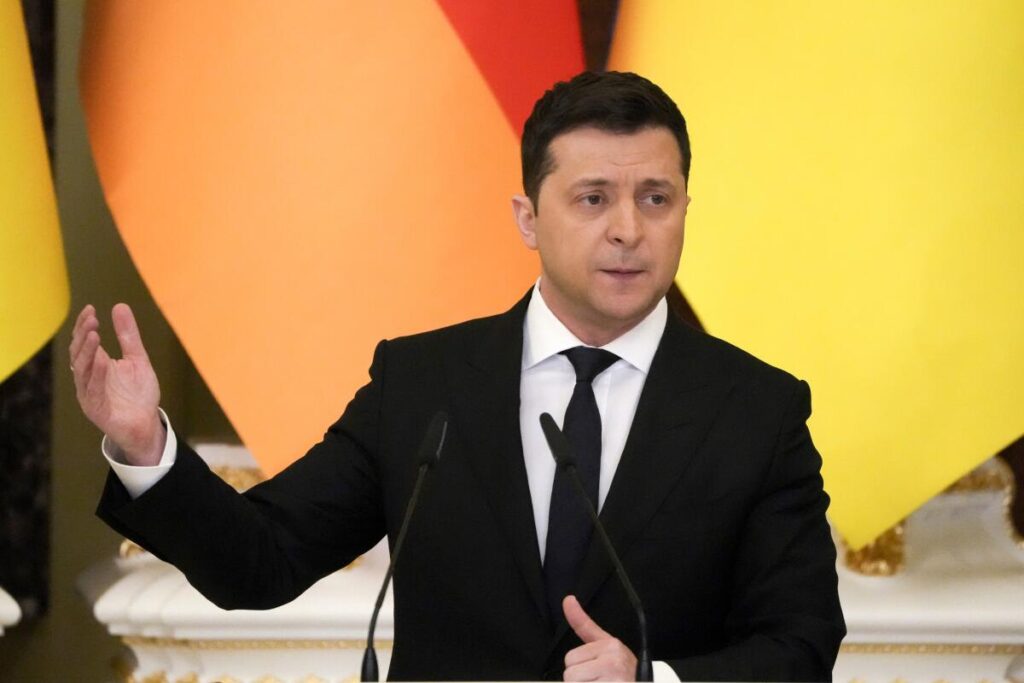
(Photo Credit : LA Times)
- Led by President Volodymyr Zelenskyy.
- Defends its sovereignty, independence, and territorial integrity.
- Has mobilized military and civilian resources to resist the invasion.
- Receives military, financial, and humanitarian support from allies.
C. Supporting Countries and Organizations
Many nations support Ukraine through aid, sanctions, or diplomatic efforts.
These include:
- United States
- United Kingdom
- Germany
- France
- Poland
- Canada
- European Union (EU)
- NATO member countries
Although NATO troops are not directly fighting in the war, many NATO members provide military equipment, training, and financial assistance to Ukraine.
3. Why Did the Russia-Ukraine War Start?
The causes of the Russia-Ukraine War are complex and involve historical, political, and security-related factors.
Main Reasons Behind the Conflict
A. NATO Expansion Concerns
- Russia has long opposed NATO’s expansion toward its borders.
- Russian leaders argue that NATO’s growth threatens their national security.
- Ukraine’s closer relationship with Western countries increased tensions.
B. Historical Connections

- Russia and Ukraine share centuries of cultural, political, and historical ties.
- Different interpretations of this shared history have contributed to disagreements.
C. Crimea Annexation
- In 2014, Russia annexed Crimea, a peninsula internationally recognized as part of Ukraine.
- This event significantly increased tensions between the two countries.
D. Conflict in Eastern Ukraine
- Fighting began in eastern Ukraine in 2014.
- Armed groups supported by Russia clashed with Ukrainian forces.
- The conflict continued for years before the full-scale invasion.
E. Political Direction of Ukraine
- Ukraine has increasingly sought stronger ties with Europe and Western institutions.
- Russia viewed some of these developments as a challenge to its regional influence.
These factors combined over many years and eventually contributed to the outbreak of large-scale war in 2022.
4. When Did It Begin?
Although the full-scale invasion started in 2022, the roots of the conflict go back much further.
Timeline of Major Events
2014
- Russia annexes Crimea.
- International criticism and sanctions follow.
- Fighting begins in eastern Ukraine.
2014–2021
- Conflict continues in the Donbas region.
- Several ceasefire agreements are attempted.
- Tensions remain high despite diplomatic efforts.
2021
- Russia deploys large numbers of troops near Ukraine’s borders.
- Concerns about a possible invasion grow worldwide.
February 24, 2022
- Russia launches a full-scale invasion of Ukraine.
- Military operations begin across multiple regions.
2022–Present
- The conflict continues with changing battle lines.
- Both sides conduct military operations and counteroffensives.
- International support and diplomatic efforts remain ongoing.
Understanding this timeline helps explain why the conflict did not begin suddenly but developed over several years.
5. How Is the Russia-Ukraine War Being Fought?
Modern warfare involves much more than traditional battlefield combat. The Russia-Ukraine War demonstrates how technology and information play major roles in modern conflicts.
A. Ground Warfare
- Tanks, armored vehicles, and infantry units are heavily used.
- Major battles have taken place in cities, towns, and rural areas.
- Control of territory remains a key objective for both sides.
B. Missile Attacks
- Long-range missiles target military positions and infrastructure.
- Strategic facilities such as power stations and transportation networks have been affected.
- Missile defense systems are used to intercept incoming attacks.
C. Drone Warfare
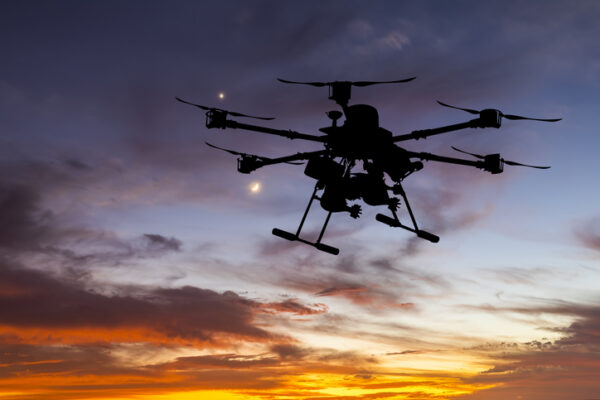
- Drones are used for surveillance and reconnaissance.
- Both sides use attack drones to strike military targets.
- Drone technology has become one of the defining features of the conflict.
D. Cyber Warfare
- Cyberattacks target government systems and communication networks.
- Digital infrastructure has become an important battlefield.
- Cybersecurity plays a critical role in national defense.
E. Information Warfare
- Social media and news platforms are used to influence public opinion.
- Governments and organizations share information to support their narratives.
- Information campaigns have become an important part of modern warfare.
The combination of traditional and technological warfare makes this conflict unique compared to many wars of the past.
6. How Has the War Affected the World?
The impact of the Russia-Ukraine War extends far beyond Eastern Europe.
A. Energy Markets
- Oil and natural gas prices increased significantly after the invasion.
- Many countries sought alternative energy sources.
- Energy security became a major concern worldwide.
B. Food Supply
- Ukraine is one of the world’s largest grain exporters.
- Disruptions to exports affected global food markets.
- Some countries experienced higher food prices as a result.
C. Global Economy
- Inflation increased in many regions.
- Supply chains faced disruptions.
- Businesses and governments adjusted to changing economic conditions.
D. International Security
- Many countries increased defense spending.
- NATO strengthened its presence in Europe.
- Security concerns became a higher priority for governments worldwide.
E. Humanitarian Impact
- Millions of people became refugees or internally displaced.
- Humanitarian organizations provided emergency assistance.
- Communities across Europe and beyond supported displaced families.
The war demonstrates how regional conflicts can have global consequences.
7. What Could Happen Next?
Predicting the future of any conflict is difficult, but several possible outcomes are often discussed.
A. Peace Negotiations
- Diplomatic talks could lead to agreements between the parties.
- International mediators may play a role in future discussions.
B. Long-Term Stalemate
- Neither side achieves a decisive victory.
- Fighting continues at lower intensity over an extended period.
C. Continued Military Operations
- Both sides continue military campaigns.
- Territorial control remains contested.
D. Increased Diplomatic Efforts
- More countries and international organizations become involved in peace initiatives.
- New negotiations could emerge as circumstances change.
The future remains uncertain, and developments continue to shape the course of the conflict.
Read – Russo-Ukrainian war
Key Takeaways
- The Russia-Ukraine War is one of the most important conflicts of the modern era.
- The full-scale invasion began on February 24, 2022, but tensions date back to 2014.
- Russia and Ukraine are the main parties involved, with significant international support for Ukraine.
- The conflict involves ground battles, missiles, drones, cyberattacks, and information warfare.
- The war has affected global energy prices, food supplies, economies, and international security.
- Millions of people have been displaced due to the humanitarian crisis.
- The outcome remains uncertain, with military and diplomatic efforts continuing.
Conclusion
The Russia-Ukraine War has reshaped global politics, economics, and security. While the conflict began between two neighboring countries, its effects have been felt around the world. Understanding what the war is, who is involved, why it started, when key events occurred, and how it is being fought provides valuable insight into one of the defining international events of our time. As the situation continues to evolve, the conflict will likely remain a major topic in global affairs for years to come.
