

 By
By Picture a small village just after sunrise, the kind of place where mornings once began with the cough of a diesel generator and the smell of kerosene lamps being blown out. For decades, the school here had no reliable power, so children studied by candlelight whenever the sun went down too early.
Then, one summer, a handful of solar panels appeared on the school rooftop. Within months, the classroom lights stayed on after dusk, the water pump ran without a drop of diesel, and the elders began calling it “power from the sky.” That single rooftop was more than a repair job; it was a quiet preview of what is now happening across the planet.
Multiply that story by millions of homes, farms, and factories worldwide, and you start to see what green energy is doing to everyday life — not with fireworks, but one switched-on bulb at a time. Green energy, drawn from the sun, wind, water, and earth instead of dug or drilled from the ground, is no longer a niche idea for eco-conscious dreamers. It is fast becoming the backbone of how the world lights its homes, runs its industries, and imagines its future.
This article walks through what green energy really means, why it matters more than ever, what the global numbers say, and what stands between us and a cleaner tomorrow.
1. What is green energy
Green energy is power generated from natural sources that replenish themselves faster than we use them — sunlight, wind, flowing water, heat from the earth, and organic matter. Unlike coal, oil, and natural gas, which took millions of years to form and release stored carbon the moment they burn, green energy sources produce little to no direct greenhouse gas emissions while generating electricity or heat.
It’s worth noting that “green energy” and “renewable energy” are often used interchangeably, though purists draw a fine line between them. Renewable simply means the source won’t run out — the sun keeps rising, the wind keeps blowing. Green typically adds an extra condition: the source should also have minimal environmental impact during generation. In everyday use, though, the two terms describe the same family of technologies, and this article treats them that way.
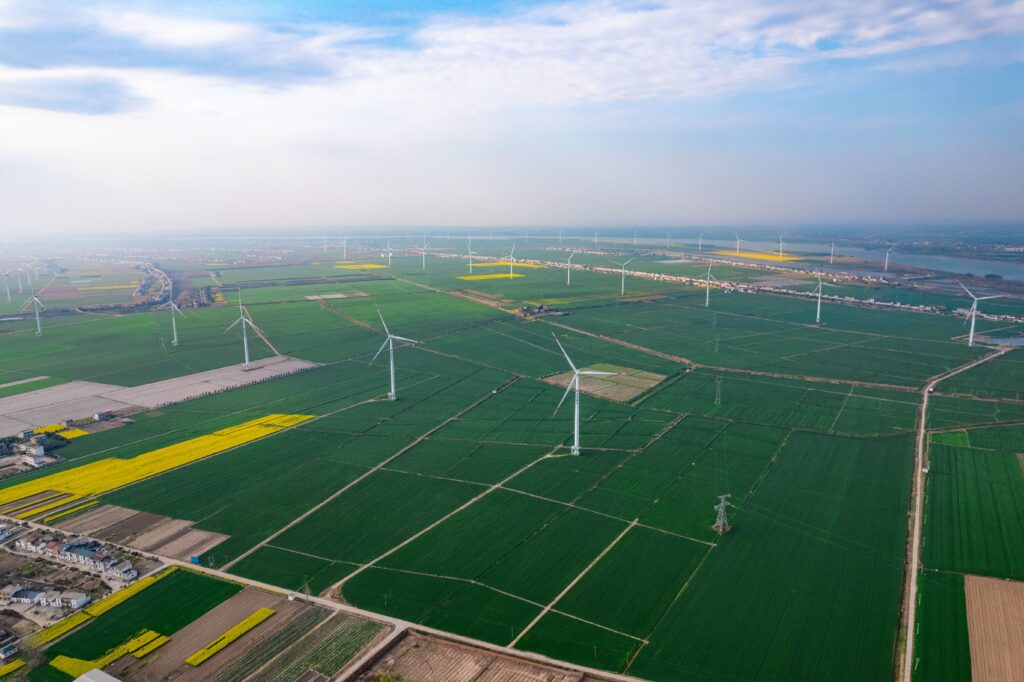
Green energy can be generated in two broad ways: at utility scale, where large solar farms, wind parks, or hydroelectric dams feed electricity into a national or regional grid, and at distributed scale, where individual homes, farms, or small businesses generate their own power through rooftop panels or small turbines. Both approaches matter. Utility-scale projects deliver the volume needed to power cities and industries, while distributed generation gives households more control over their electricity bills and brings power to areas the main grid hasn’t reached yet, such as remote villages and off-grid communities.
Also Read – International Relations: The Ultimate Guide for 2026
2. Types of green energy
There are five major categories that make up the green energy mix powering homes and grids today:
- Solar power — Captures sunlight through photovoltaic panels or concentrated solar systems and converts it directly into electricity or heat. It’s the fastest-growing source worldwide, largely because panel costs have fallen dramatically over the past decade, making it viable for everything from rooftop installations to massive desert solar farms.
- Wind power — Uses turbines, onshore and offshore, to convert moving air into electricity. Offshore wind farms, in particular, are expanding as technology allows turbines to be installed farther out at sea, where winds blow stronger and more consistently than on land.
- Hydropower — Generates electricity from the force of moving or falling water, typically through dams or run-of-river systems. It remains one of the oldest and most established forms of green energy, and it still provides a steady, predictable share of electricity in many countries.
- Geothermal energy — Taps heat stored beneath the earth’s surface to generate power or heat buildings directly. It’s steady and reliable, running around the clock regardless of weather, though it’s geographically limited to regions with accessible heat reservoirs, such as volcanic or tectonically active zones.
- Bioenergy — Derived from organic material such as crop residue, wood, or waste, converted into electricity, heat, or biofuels. It offers a practical way to turn agricultural and municipal waste streams into usable power while reducing what would otherwise end up in landfills.
Each of these sources has its own strengths, and most countries lean on a mix rather than relying on just one. A region with strong coastlines might prioritize offshore wind, while a sun-drenched country invests heavily in solar. This diversity is actually a strength for the broader green energy transition, since it reduces the risk of any single technology or weather pattern disrupting the entire supply.
Also Read – The Hidden Damage of Trade Wars on Everyday Consumers
3. Why green energy matters right now
A. The climate clock is ticking
Rising global temperatures, more frequent heatwaves, and increasingly erratic rainfall are no longer distant warnings — they are showing up in everyday weather patterns. The primary driver behind this shift is the buildup of greenhouse gases from burning fossil fuels for electricity, transport, and industry. Shifting the world’s energy mix toward green energy is widely regarded by scientists and policymakers as one of the most effective ways to slow this trend, since solar, wind, and hydropower generate electricity without releasing carbon dioxide during operation.
B. Energy security and economic sense
Beyond climate concerns, green energy has become a matter of practical economics and national security. Countries that import oil and gas are exposed to volatile global prices and geopolitical shocks — a lesson reinforced whenever conflict or supply disruption sends fuel prices soaring. Homegrown solar and wind power, by contrast, can be generated locally, reducing dependence on imported fuel and insulating economies from price swings. In many parts of the world, new solar and wind installations have also become cheaper than building new coal or gas plants, making the shift as much a financial decision as an environmental one.
C. Green energy by the numbers
The scale of the global shift toward green energy becomes clearer when you look at installed capacity. According to the International Renewable Energy Agency’s 2025 statistics report, worldwide renewable power capacity reached roughly 4,443 gigawatts (GW) by the end of 2024, marking the largest single-year increase on record. Renewables accounted for well over 90 percent of all new power capacity added globally that year.
| Energy source | Global capacity (end of 2024) | Share of total renewables |
|---|---|---|
| Solar power | ~1,866 GW | 42.0% |
| Hydropower | ~1,277 GW | 28.7% |
| Wind power | ~1,133 GW | 25.5% |
| Bioenergy | ~151 GW | 3.4% |
| Geothermal | ~15 GW | 0.3% |
| Total renewables | ~4,443 GW | 100% |
Source: International Renewable Energy Agency (IRENA), Renewable Capacity Statistics 2025.
A few patterns stand out from this data. Solar and wind together now make up more than two-thirds of all renewable capacity, reflecting how quickly these two technologies have scaled compared with hydropower, which grew steadily for over a century. Asia, led by China, has been the single largest contributor to new capacity in recent years, while regions like Africa and the Middle East are now recording their fastest-ever growth rates, even though they still account for a small share of the global total. The direction, though, is unmistakable: green energy capacity is expanding faster with each passing year.
4. Green energy versus fossil fuels
It helps to see the two side by side. Fossil fuels — coal, oil, and natural gas — are finite resources that took millions of years to form, and burning them releases carbon dioxide and other pollutants that were previously locked underground. Green energy sources, by contrast, draw on processes that are constantly renewed by nature: sunlight arrives every day, wind patterns circulate continuously, and water keeps flowing downhill.
The cost story has also flipped in the last decade. Fossil fuel prices fluctuate with global politics, supply disruptions, and extraction costs, while the cost of generating electricity from solar and wind has fallen steadily as manufacturing has scaled up and technology has matured. Operationally, fossil fuel plants require a constant stream of extracted fuel to keep running, whereas most green energy installations, once built, run on inputs that cost nothing. The trade-off is that fossil fuel plants can generate power on demand at any hour, while solar and wind output depends on weather and time of day — which is precisely why storage technology has become such a central piece of the green energy puzzle.
5. Benefits of switching to green energy
A. Environmental benefits
The most obvious advantage of green energy is what it avoids: burning fossil fuels. Solar, wind, and hydropower generate electricity without releasing carbon dioxide, sulfur compounds, or particulate matter into the atmosphere during operation. This directly reduces the pace of global warming, limits air pollution, and eases pressure on ecosystems strained by resource extraction such as coal mining or oil drilling.
B. Economic and job benefits
Green energy has become a genuine job engine. Installing solar panels, maintaining wind turbines, manufacturing batteries, and building transmission infrastructure all require skilled labor, much of it local. Because sunlight and wind are free once the infrastructure is built, the long-term cost of generating electricity from these sources tends to fall over time, unlike fossil fuels, which remain tied to volatile commodity markets. Many households and businesses that install their own solar systems also see a steady reduction in electricity bills over the years, sometimes recovering the upfront cost of installation within just a few years of use.
Beyond individual savings, entire regional economies are being reshaped around green energy manufacturing hubs, from battery gigafactories to wind turbine blade plants, bringing new investment and skilled employment to areas that once depended heavily on traditional industries.
C. Health benefits
Fossil fuel combustion is a major source of the fine particulate pollution linked to respiratory and cardiovascular illness, especially in densely populated cities. Replacing coal and diesel-based power with green energy reduces this pollution burden, translating into fewer hospital visits, cleaner air for children, and lower long-term healthcare costs for communities near power plants and industrial zones. Studies tracking cities that have shifted away from coal-fired power consistently show measurable improvements in air quality within just a few years of the transition.
6. Challenges on the road to a green future
A. Cost of infrastructure and storage
While the price of solar panels and wind turbines has dropped sharply, building the surrounding infrastructure — transmission lines, substations, and battery storage — still requires significant upfront investment. Because sunlight and wind aren’t constant, storing surplus energy for use after dark or during calm weather remains one of the industry’s biggest technical hurdles. Battery technology is improving, but large-scale, affordable storage is still catching up with the pace of renewable generation.
B. Grid readiness and policy gaps
Many existing power grids were designed decades ago around a small number of large, steady power plants, not a distributed mix of thousands of solar rooftops and wind farms. Upgrading grids to handle variable green energy input, while keeping the system stable, is a slow and often expensive process. In some regions, outdated regulations, inconsistent subsidies, and permitting delays also slow down new projects, even when the technology and demand are ready.
C. Regional and financing disparities
Growth in green energy has been uneven across the world. Wealthier nations and a handful of large economies account for the vast majority of new installations each year, while many developing regions, despite having abundant sun and wind resources, struggle to attract the financing needed to build large-scale projects. Closing this gap will likely require a mix of international funding, technology transfer, and local policy reform, so that the benefits of green energy aren’t concentrated in only a few parts of the world.
7. The future of green energy
A. Emerging innovations to watch
The next phase of the green energy story is being written in laboratories and pilot projects around the world. Floating solar farms are being tested on reservoirs and coastal waters, freeing up land for other uses. Offshore wind turbines are growing taller and more powerful, capturing stronger, steadier winds far from shore.
Green hydrogen, produced using renewable electricity, is emerging as a way to store and transport clean energy for industries that are hard to electrify directly, such as heavy shipping and steelmaking. Meanwhile, next-generation battery chemistries promise longer life, faster charging, and lower costs, which could finally solve the storage puzzle that has held renewables back. Smart grid technology is also playing a growing role, using real-time data to balance supply and demand automatically, so that a sudden dip in wind output or a surge in solar generation no longer requires manual intervention to keep the lights on.
B. What individuals and communities can do
The shift toward green energy isn’t limited to governments and corporations. Households can install rooftop solar panels, switch to energy-efficient appliances, or choose electricity providers that source power from renewables where such options exist. Communities can support local solar and wind cooperatives, advocate for supportive local policy, and push for better public transit powered by clean electricity. Every small switch adds up, the same way a single rooftop panel in a small village can quietly change how a whole school studies after dark.
8.My View …
Green energy is not a hopeful experiment anymore — it is the clear, inevitable answer to how the world will power itself, and energy independence is exactly why. For decades, nations have been held hostage by fuel they don’t control: oil shipped across contested waters, gas piped through rival territories, prices that spike the moment a conflict breaks out on the other side of the world. That dependence has never just been an economic inconvenience; it has shaped foreign policy, strained budgets, and left entire economies exposed to decisions made far outside their borders. Green energy breaks that cycle, decisively.
Sunlight falls on every country. Wind blows across every coastline. A nation that builds out its solar and wind capacity is no longer negotiating from a position of need — it is generating its own power, on its own terms, immune to the next embargo or price shock. This is the strongest argument for green energy, stronger even than the climate case, because it speaks to something every government and every household understands instinctively: control over your own resources is control over your own future.
The data already backs this up. Countries investing aggressively in renewables are the ones pulling ahead in energy resilience, while those still tethered to imported fuel remain vulnerable to forces they cannot influence. This is not a distant possibility; it is happening now, visible in every gigawatt of new solar and wind capacity coming online each year.
I don’t see this as one option among several. Green energy is the path forward — the only energy strategy that lets a nation, a city, or a household stop asking permission from the rest of the world to keep the lights on. The sooner that shift completes, the sooner true energy independence stops being an aspiration and becomes the default.
9. Frequently asked questions
Is green energy really cheaper than fossil fuels?
What is the main disadvantage of green energy?
Which country uses the most green energy?
Can green energy power the entire world?
What are the 5 main types of green energy?
Does green energy create jobs?
How does green energy help fight climate change?
10. Conclusion
Green energy has moved from an idealistic side project to a practical necessity, driven by falling costs, mounting climate pressure, and a growing demand for energy security. The numbers tell a clear story: renewable capacity is expanding faster than ever before, led by solar and wind, with every region of the world now contributing to the shift in some way.
Challenges around storage, grid readiness, financing, and policy remain real, and closing those gaps will take sustained effort from governments, businesses, and communities alike. But the direction of travel is no longer in question. From a single solar panel on a village school roof to sprawling offshore wind farms rising out of the sea, the transition to green energy is quietly reshaping how the world powers itself — one clean watt at a time, one community at a time.
